Fatal Cork crash may lead to reform of laws on intoxicated driving
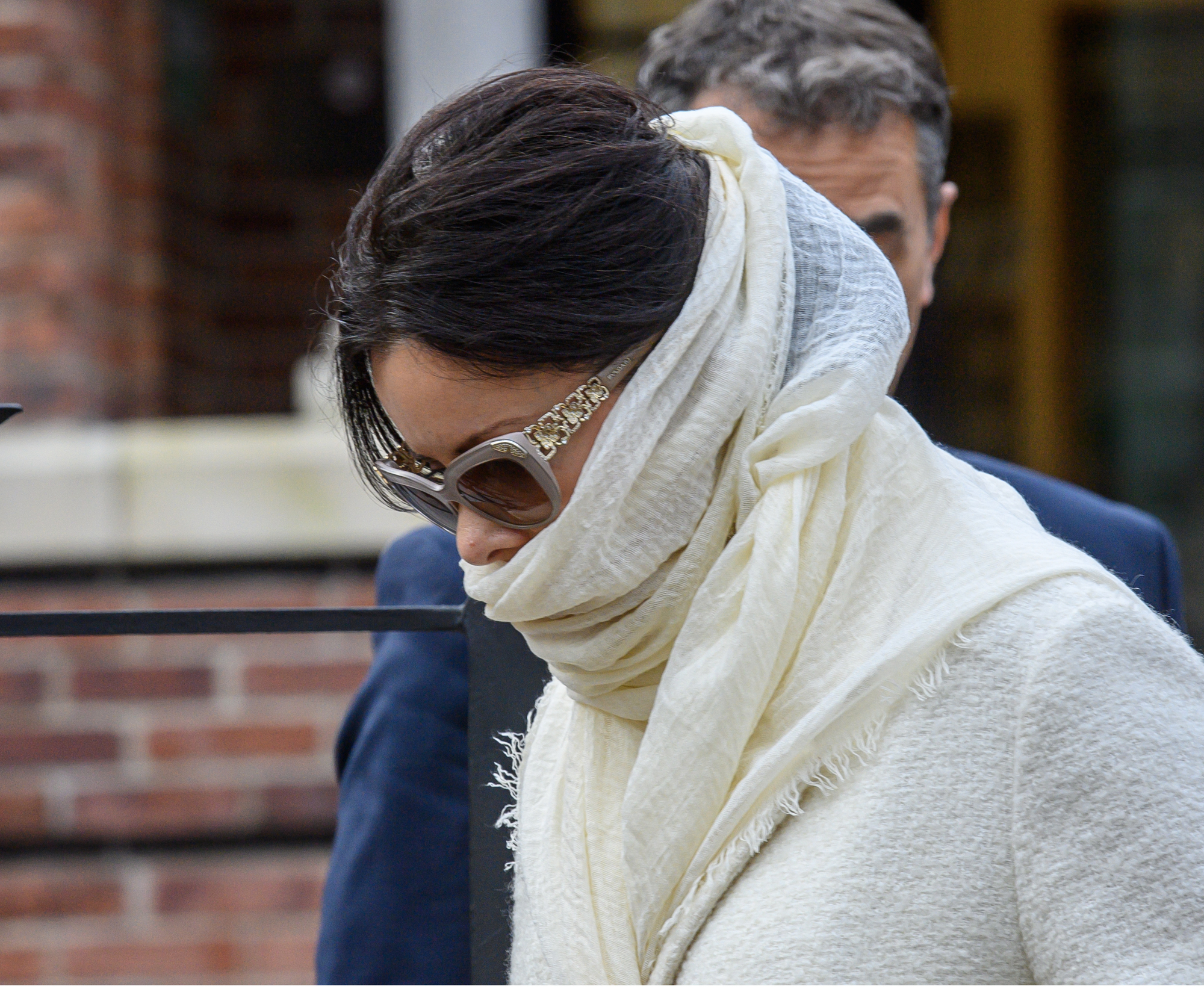
A 'substantial' Garda investigation was required before Jennifer Thomas could be charged with dangerous driving causing the death of her close friend of more than 20 years, Sheila Dunne. File picture: Dan Linehan
Changes to Ireland's intoxicated driving laws could be triggered by the case of a former model who crashed her SUV in a Cork suburb, killing her close friend and later blaming the victim for driving.
A “substantial” Garda investigation was required before Jennifer Thomas could be charged with dangerous driving that led to the death of her close friend of more than 20 years, Sheila Dunne.
CCTV had to be harvested, receipts collected, and witness statements gathered, said Sergeant Robbie Stone, a Cork City representative for the Association of Garda Sergeants and Inspectors (AGSI).
Had a blood sample been automatically taken by the emergency doctors, the case would have been faster to conclude.
Sgt Stone wants to extend the window for taking a sample from a suspected intoxicated driver from three hours to five, giving gardaí more time to obtain evidence after a crash.
Read More
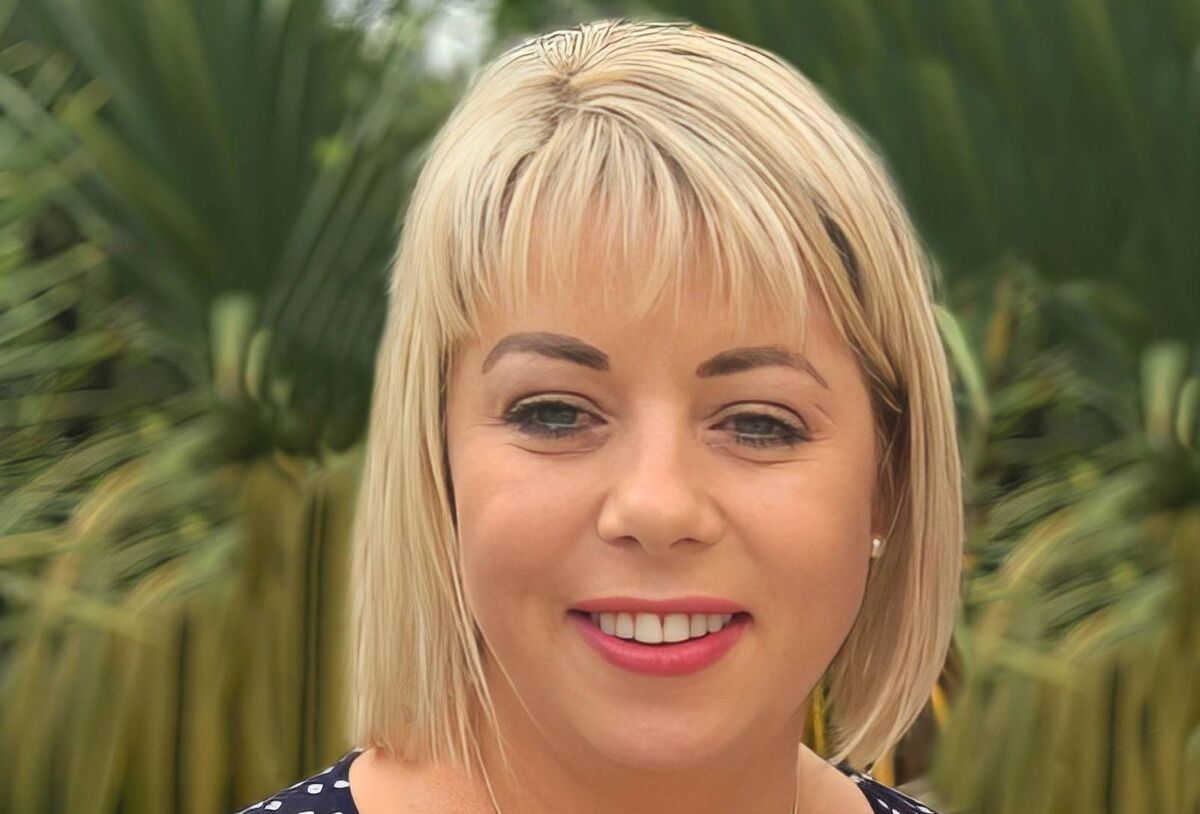
Ms Dunne, 50, was a mother of two, and worked as a special needs assistant. She was just 1.5km from her home in Glanmire when the crash occurred on February, 11, 2023.
Sgt Stone said that Jennifer Thomas was successfully prosecuted for dangerous driving. "But it was necessary to prove that through a substantial investigation,” he said.
“She claimed at the time that Sheila had been driving. There was no specimen taken at the roadside and there was no specimen taken in hospital subsequently. And that made it so much harder to prove."
Dr Eoin Fogarty, a consultant in emergency and retrieval medicine in Cork University Hospital, attended the crash scene that evening. He said she had devastating injuries and died two days later.
“Unfortunately the perpetrator said she was a passenger and she blamed her friend as being the driver. So she never got tested [for an intoxicant]."
Had the crash occurred in Australia, where Dr Fogarty previously worked, he said he would automatically have taken samples from everyone involved who came into his care. “And that would have made the gardaí’s work a lot easier.”

Gardaí collected evidence that showed Ms Thomas drank 12 alcoholic drinks, including prosecco, gin. and wine. CCTV footage showed her stumbling into her vehicle and driving away, said Dr Fogarty.
She subsequently pleaded guilty but was not convicted because of a sample, noted Dr Fogarty.
Alcohol is a factor in over a third of Irish road deaths where toxicology results are available, while RSA data shows that 12% of drivers admit to drink‑driving, he said.
But the legal procedures around the collection of blood samples following collisions are cumbersome.
"At present, a garda must direct a medical professional to take a blood sample within a three-hour timeframe — a requirement which can often see drink-drivers evade detection.
“A more effective and efficient approach, already used in countries such as Australia, is to allow any emergency department doctor or nurse to take a blood sample and store it securely in a one-way safe for Garda collection.
“This safeguards the chain of evidence, removes unnecessary delays, and ensures drink-drivers do not evade the law."
Dr Fogarty said his attempt to improve Ireland's laws on intoxicated driving was triggered by the death of Patrick Murphy, 68, from Killorglin.
"Patrick Murphy was a cyclist, like myself. He was cycling early one morning when he was hit by an intoxicated person who drove off."
Jade Moriarty, of Muingaphuca, Killorglin, admitted dangerous driving causing death on September 3, 2023.
Mr Murphy died at the scene. He had been on a Sunday morning cycle and was wearing a high-visibility top.
Both Dr Fogarty and Sgt Stone are calling for urgent legal changes to clamp down on intoxicated driving.
'Grace’s Law' takes effect from Friday, banning scrambler bikes in public places after 16-year-old Grace Lynch was hit by a scrambler on a pedestrian crossing in January and later died.
Similar urgency is needed to address intoxicated driving, said Dr Fogarty.
He supports an amendment to the Road Traffic Act 2010 which was proposed by Sgt Stone at the recent AGSI annual conference.
This would increase the timeframe permitted for the taking of a sample from a suspected intoxicated driver from three hours to five hours after the time of driving.
Although not a silver bullet, it would help gardaí secure better evidence, said Sgt Stone.
“And it should help to see more successful prosecutions.”
Gardaí can face long journeys to rural crashes and long distances back to Garda stations — "and all the while that three-hour window is ticking."
In cities, doctors are often in high demand dealing with other medical emergencies so getting a GP to come and take a sample from a suspected intoxicated driver within the three-hour window is difficult.
"And if the three hours is up, we have to release this person," said Sgt Stone.
“There are situations where specimens are not secured from people and therefore it makes it far more difficult to secure any kind of prosecution."
Gardaí will run a road safety campaign this Easter bank holiday weekend with increased alcohol and drug testing and with every garda enforcing road traffic law for some of their shift.
CONNECT WITH US TODAY



Be the first to know the latest news and updates