John Whelan: Only niche Irish exporters to benefit from Australia deal
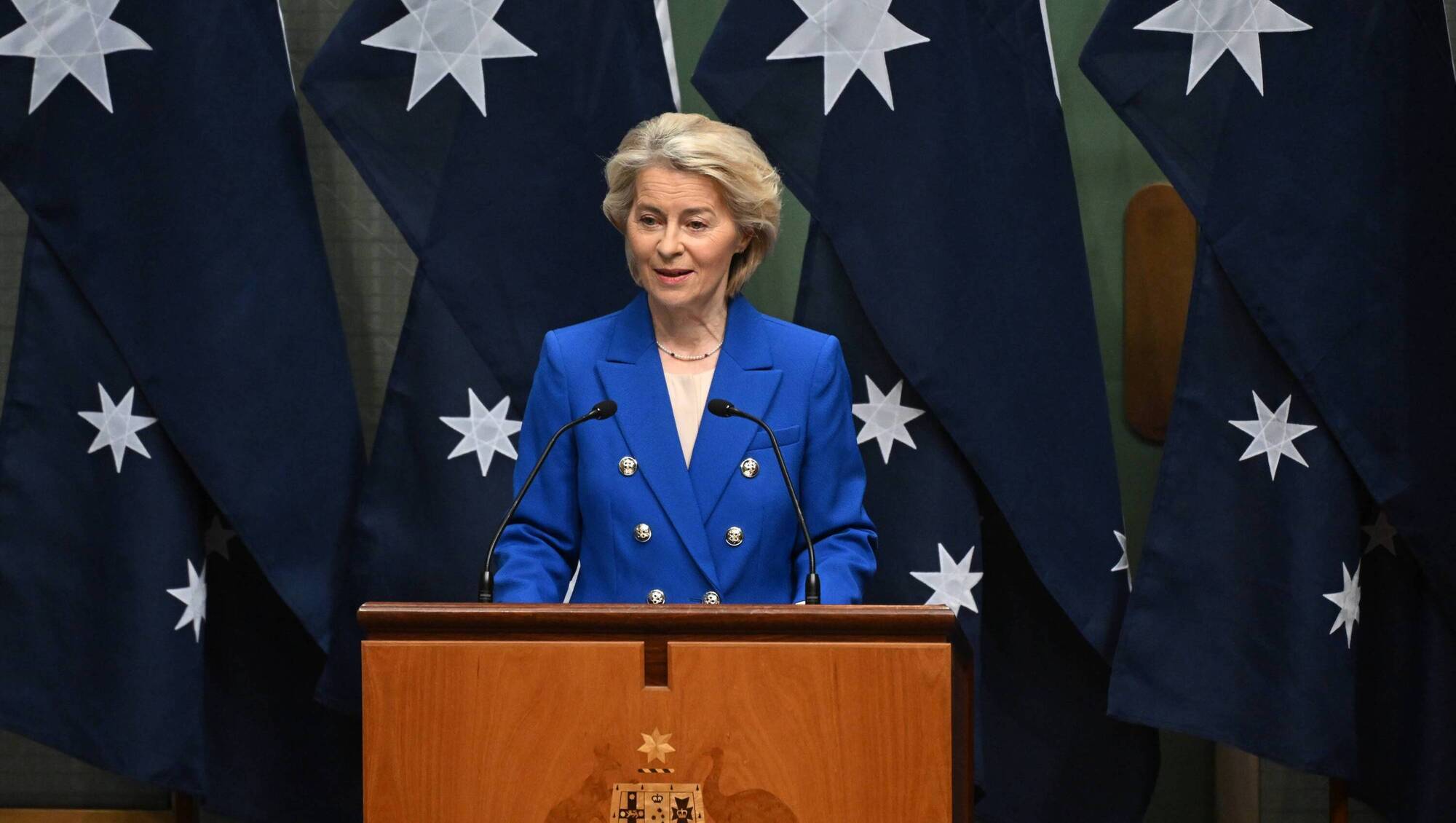
The much vaulted 33% export growth opportunities announced by European Commission president Ursula von der Leyen and Australian prime minister Albanese, at the signing of the free trade deal, will do very little for Irish exporters generally.

The Australia market has been flat for Ireland's exporters over the past decade, and that’s before you take into account inflation over the years.
Ireland’s goods exports to the market were €918m last year, much the same as in 2015, whereas global exports sales from Ireland more than doubled in the period.
The much vaulted 33% export growth opportunities announced by European Commission president Ursula von der Leyen and Australian prime minister Albanese, at the signing of the free trade deal, will do very little for Irish exporters generally.
The biggest immediate winners are likely to be in Germany, France, and Italy. The free trade deal eliminates the 5% tariff on imported cars and, significantly, raises the luxury car tax threshold for electric vehicles in Australia. This is expected to boost EU motor vehicle exports by up to 52%, heavily favouring German premium manufacturers like BMW, Mercedes, and Porsche.
France gains from the protection of over 165 geographical indications (GIs), including iconic Champagne and agricultural products, preventing them from being used in Australia.
The deal secures access to Australian lithium, manganese, and aluminium, which are essential for Germany’s, France’s and Italy’s electric vehicle battery and renewable energy industries.
Pharmaceuticals account for the bulk of Ireland’s product exports to the market, with very little increase over the decade, despite the fact that they have been zero rated for import duty into Australia over these years. So very little can be expected to change in the exports of this product range within the free trade deal.
When it comes to the value of the free trade deal, the potential gains for Ireland’s exporters are likely to be in certain niche markets. Cheese markers look set to gain, as Australia is one of the biggest global markets for cheddar.
Ireland’s total exports of dairy products to the market were valued at roughly €12m, with cheese constituting the vast majority of this value. However, it will take three years for the import duty rate to be eliminated on these exports under the agreement.
Perhaps the biggest winners are likely to be companies such as agri-machinery manufacturers such as Keenan’s of Carlow, McHales of Mayo, and Monaghan-based specialist forklift maker Combilift, who are all trading well into the market.
Australia is a major market for Combilift, with their products widely used in the mining, engineering, warehousing, and logistics sectors. It will be an immediate beneficiary from the elimination of the 5% import duty on their machinery products once the free trade deal is ratified by Ireland and EU member states.
Australia has been a very attractive market for Combilift, who now rank it as their fifth-largest market globally. Since entering the Australian market in 2003, they have supplied over 4,500 units selling at an average of €40,000 per unit, to various sectors including mining, manufacturing, and logistics.
Combilift’s chief executive Martin McVicker expects the elimination of import duty into the market will add to the cost competitiveness of their products and support their growth in the market.
Australia represents a highly significant and strategic market for these companies, and the EU free trade deal which will eliminate the import duty on machinery products will certainly assist their sales promotion efforts.
However, shipping large machinery products from Ireland to Australia is heavily impacted by the Iran conflict, which has forced shipping lines to re-route vessels around Africa, avoiding the Suez Canal and Red Sea.
This disruption has led to significant delays, added weeks to transit times, and triggered substantial “war risk” surcharges of up to €4,000 per container for routes affecting Australian trade.
Services exporters to the market are again niche players. Fenergo, a fintech company which helps banks automate their platforms, is partnering with four of the top five banks in Australia, and Dublin-based FINEOS, providing software for insurance companies, is listed on the Australian Stock Exchange and has seen consistent growth across Australia for nearly 20 years.
But the major software and social media multinationals exporting from Ireland tend to handle the Aussie market directly from the US. Hence services exports to the market are low, coming in well below goods exports.