John Whelan: Irish food exporters facing treble hit from Iran war
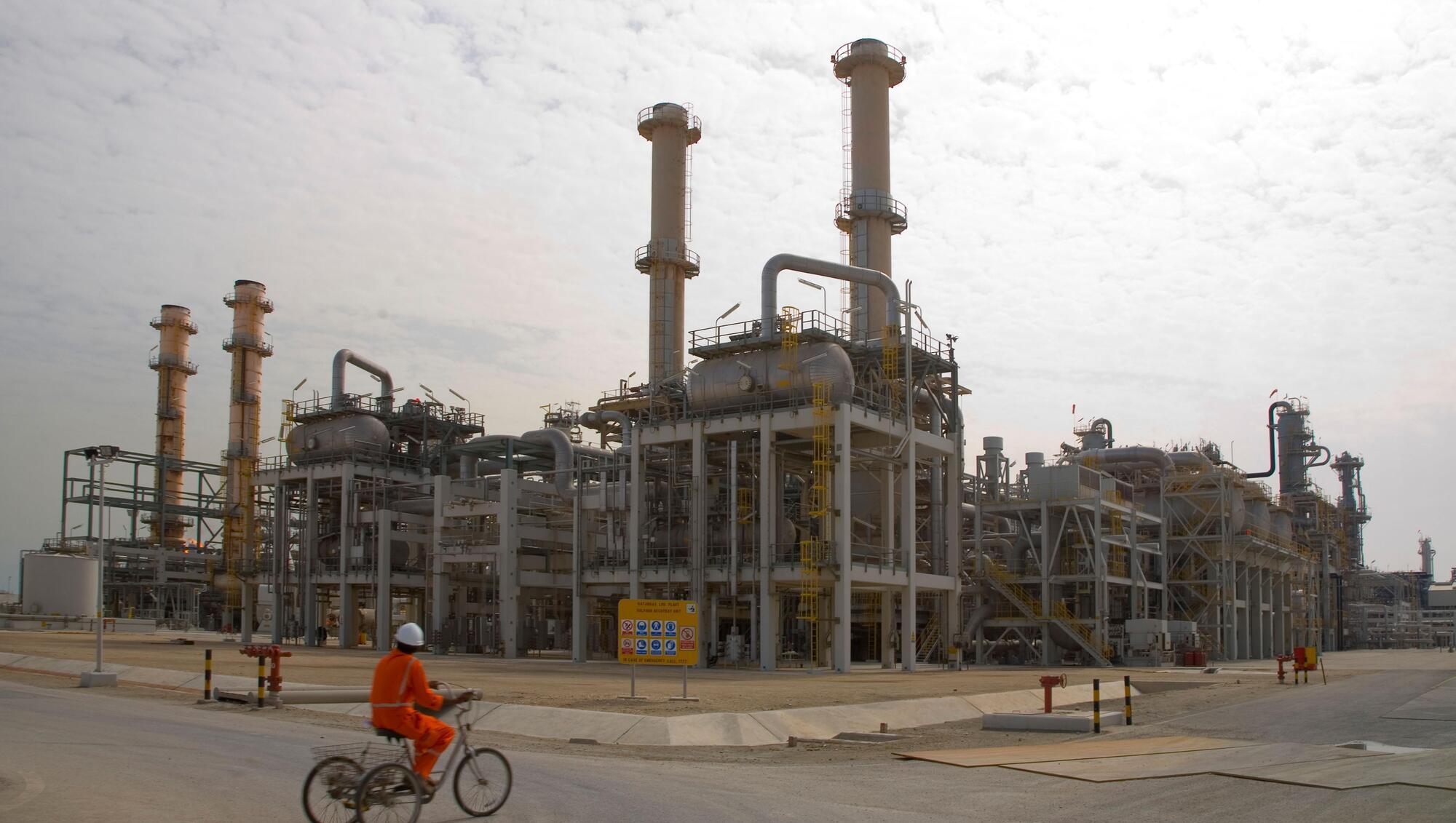
The Raz Lafan Gas Plan in Qatar. The plant was struck by Iran earlier this month, halting production.
In the rapidly evolving conflict in the Middle East, exporters are generally being impacted by surging oil and gas prices. But Ireland's food exporters are more exposed than most.Â
The immediate exposure is to refrigerated products stuck in transit through the Strait of Hormuz, and their fresh and time-sensitive products transiting through the key airfreight hubs of Dubai, Abu Dhabi, and Doha, which have been partially knocked out in the region. This is followed by the rapidly escalating freight cost of shipping replacement stock, for that product already locked in transit, due to a combination of fuel cost increases and escalating insurance premiums.Â
Thirdly, the growing fertiliser shortage and the associated sky-high price being charged is a further add-on, and not necessarily the last. Urea, the most widely used fertiliser in the food basic producer industry, is imported from Gulf countries via the Strait of Hormuz, making global agriculture highly exposed to the disruption.
The recent Israeli strike on the Iranian gas-producing facility of South Pars marked a significant escalation in the war, prompting Iran to attack major energy facilities of its Persian Gulf neighbours along with trying to hit Israel.
The South Pars destruction added to the lost output from the Qatar’s state-run liquid natural gas (LNG) firm, Qatar Energy, which was obliged to halt LNG output at what is the world’s largest urea plant after it was attacked by Iranian missiles.
For commercial farming, fertiliser is essential if growers want strong yields for many crops. Different crops require different kinds and amounts of fertiliser. Industry analysts indicate that they expect nitrogen fertiliser prices to roughly double from current levels and phosphate prices could climb by about 50%.
The timing of the Gulf disruption is especially bad because it falls in the middle of sowing season, or spring plantation season, which generally runs from mid-February to early May in the northern hemisphere. Winter wheat should now be receiving its second application of nitrogen, sugar beet is waiting to be sown, and rapeseed is waiting for its last fertiliser application before flowering.
The situation is not yet comparable to the extreme values of the 2022 energy crisis, when global fertiliser marketplace experienced a historic, unprecedented price spike driven by supply chain disruptions and energy crises due to the Russian invasion of Ukraine. Fertiliser prices reached all-time highs, with costs increasing by over 100% to 140% compared to 2021, according to the Ireland’s Central Statics Office.
However, for food exporters and importers, the problem currently lies in the logistics, with ships owners, airlines, and hauliers trying to keep up with the options on open routes and the costs they need to charge, as they try to divert to routes away from the war zone.
Large quantities of this are stuck in transit and perishing , with cost implications for exporters. However, the long-standing trading relationships, strong consumer demand, and the region’s structural reliance on imported food should continue to underpin the export growth potential in the region.
Saudi Arabia remains Ireland’s largest import market in the region followed by the UAE. In 2025, the UAE imported an estimated 90% of its food to supply a population of more than 11m people, according to Bord Bia. However, the Arab region in total has a population for 488m, a market now disrupted, which many Irish exporters were targeting in a diversification strategy to reduce dependence on the US.
The Kerry Group opened a new facility in Dubai last year indicating that Middle East remains a strategic growth market for Kerry, as well as other major Irish food exporters.
The wider impact of the Iranian war, according to the WTO in their recent Global Trade Outlook, points to slower merchandise trade growth of 1.9% in 2026, before a modest pickup to 2.6% in 2027. Services trade is expected to expand somewhat faster, by 4.8% in 2026, rising to 5.1% in 2027.
However, the WTO warns that persistent impact of the Middle East conflict on energy and transport costs could have important negative implications for global output and trade. Irish exporters await the end results of the war and the impact on other Gulf nations.