Paris prosecutors investigate sexual harassment cases involving smart glasses
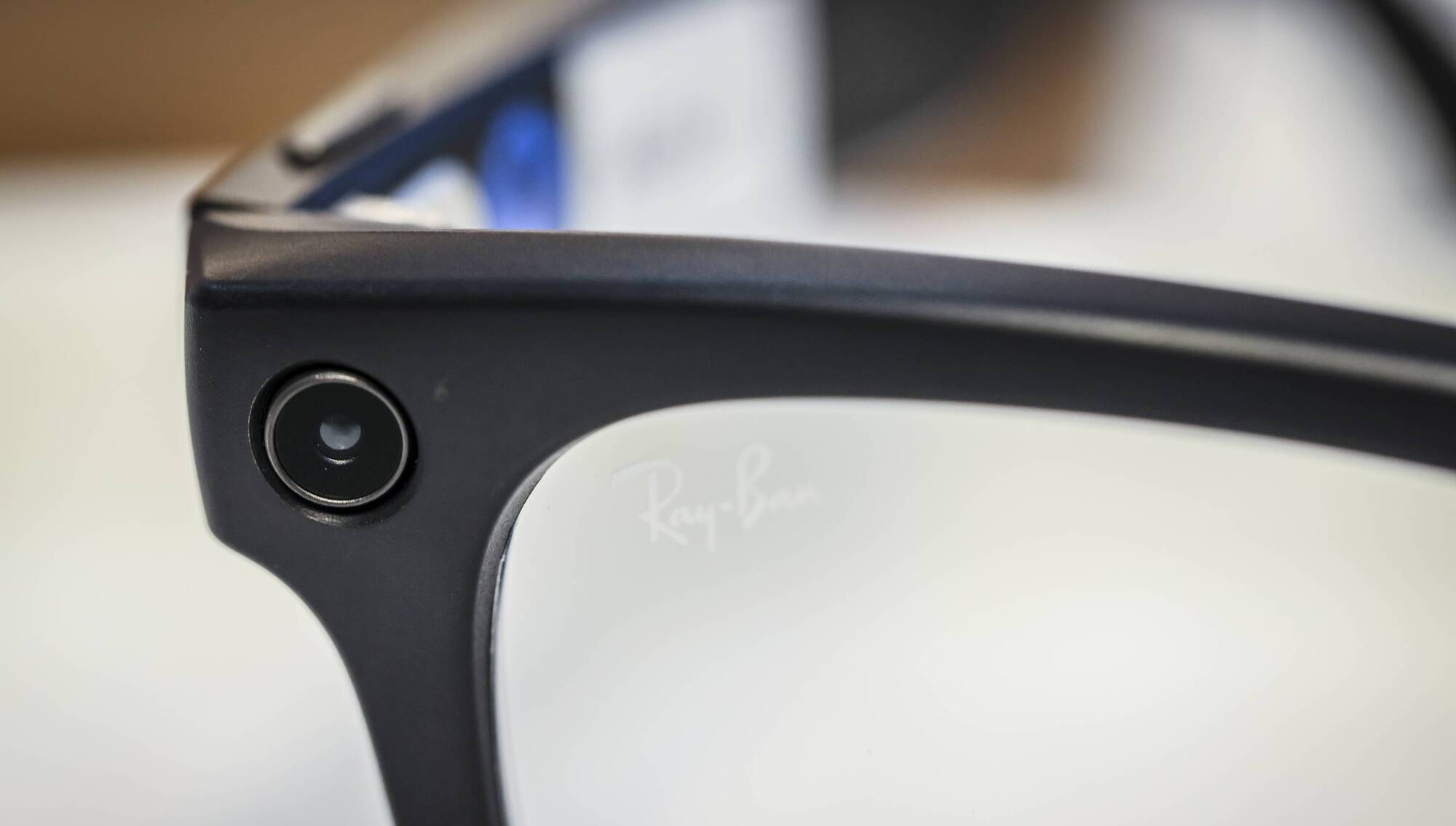
Meta's AI-enabled glasses, which have a small embedded camera allowing the wearer to record discreetly, have been a global hit, selling seven million units last year. Picture: Angel Garcia/Bloomberg
Paris prosecutors have opened a criminal probe into suspected sexual harassment involving smart glasses, while French data protection authorities have received complaints from businesses, as countries around the world grapple with the devices' social impact.
There are several smart glasses available, but US tech giant Meta's glasses made in collaboration with EssilorLuxottica are the market leader, with a roughly 76% share globally.
Meta's AI-enabled glasses, which have a small embedded camera allowing the wearer to record discreetly, have been a global hit, selling seven million units last year. Essilor's latest sales figures point to "exponential growth" in 2026.
But their success has led to growing international scrutiny from prosecutors, regulators, rights groups and companies over issues including sexual harassment, corporate wrongdoing and illicit surveillance.
Some UK cinemas have banned smart glasses, and a German consumer advocacy group has filed a criminal complaint against Meta and other companies involved in selling the devices in Germany, citing privacy laws.
The Paris prosecutor's office said it had recently opened at least one criminal probe following sexual harassment complaints related to a social media trend of using smart glasses to film women on the street, without their consent, and posting the videos online.
A Meta spokesperson said the company had "built privacy into our AI glasses from the ground up," adding that "we will keep strengthening our protections as our glasses become even more capable." EssilorLuxottica declined to comment.
CNIL, France's data protection authority, said it had received under 10 complaints around smart glasses being used in the workplace. It did not disclose which brands. It also said it was being increasingly contacted by businesses wanting to know whether they could ban smart glasses at work.
Australia said on Thursday it is considering barring the use of camera-equipped smart glasses in government workplaces due to privacy and security concerns, in what it said could be the first ban of its kind.
AI-enabled wearable devices are regulated by the European Union's AI Act and the General Data Protection Regulation, or GDPR, which set rules on how people's personal data can be used.
Though French law provides privacy protections — including penalties of up to a year in prison or a €45,000 fine — for recording the image of a person in a private place without their consent, enforcement can be difficult, particularly when content is quickly disseminated online, CNIL and other legal sources said.

CONNECT WITH US TODAY



Be the first to know the latest news and updates