Samsung: Smart glasses privacy issues needs industry-wide fix
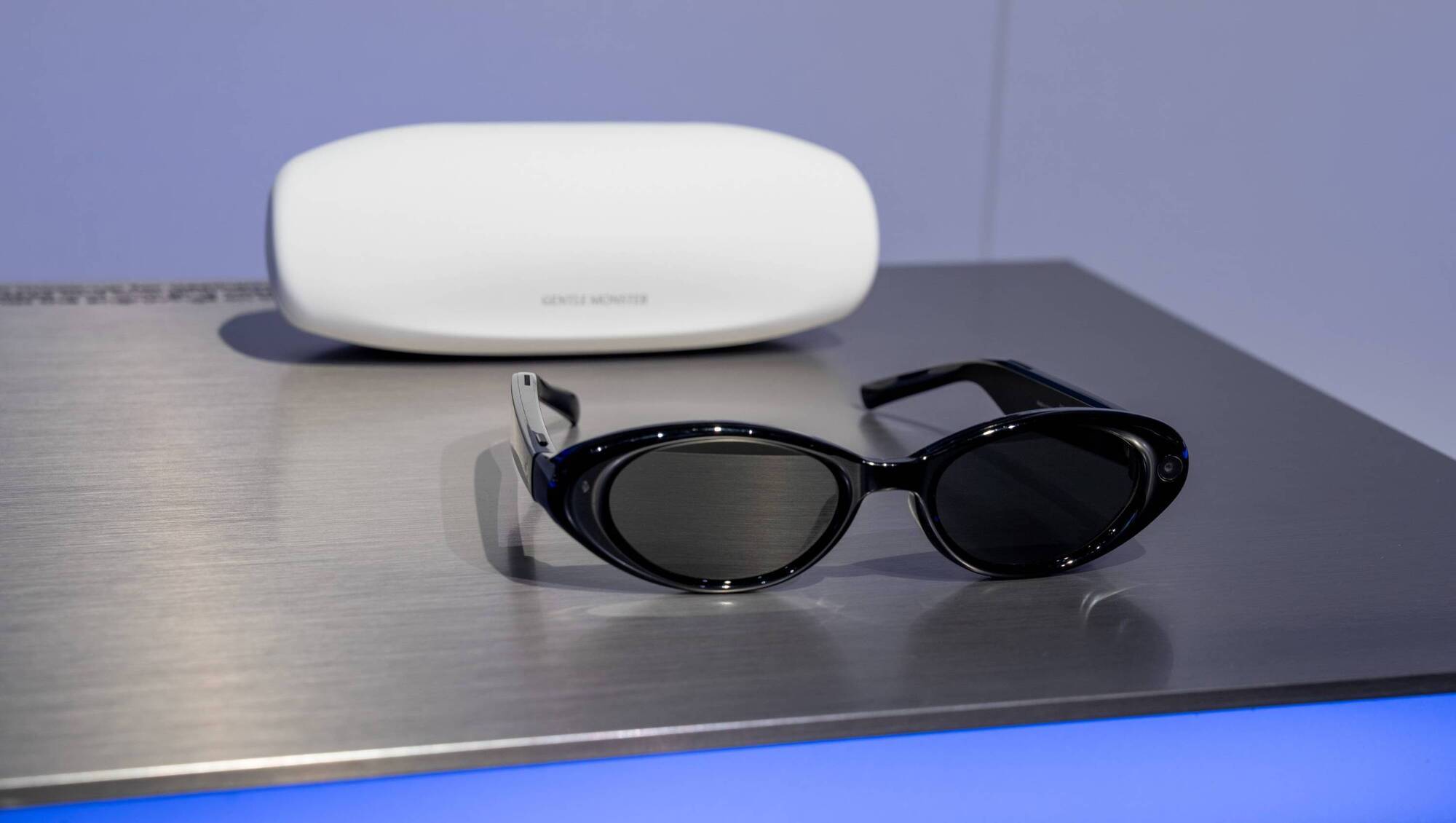
Despite some viral pushback, the category is gaining in popularity. Shipments of smart glasses without built-in displays soared 167% in the first quarter, according to research firm IDC. Picture: Bloomberg
Samsung Electronics showcased the smart glasses it developed in partnership with Alphabet’s Google, Warby Parker, and Gentle Monster, offering new details around battery life and durability ahead of a release this autumn.
The company also attempted to pre-empt privacy concerns by highlighting measures it is building into these glasses, and others that are in development.
Meta, which brought smart glasses into the mainstream through its partnership with eyewear giant EssilorLuxottica, recently added new features to its glasses after a backlash from consumers wary of the devices being used for non-consensual public recording.
Samsung has several engineers dedicated to testing and implementing new privacy features, said Samsung’s mobile experience division executive vice president Jaein Choi.
Read More
The company’s product will prevent filming if the LED light that is meant to signal recording is covered or obscured. Meta also has introduced this feature.
Samsung also pledged in a statement not to use customer audio, screen-sharing, or video data from smart glasses for training artificial intelligence models.
Ms Choi said that consumers’ sensitivity to potential privacy risks “highly depends on the culture, each country, and the regulations,” Choi said, arguing that this is an “an industry-shared problem.”
Despite some viral pushback, the category is gaining in popularity. Shipments of smart glasses without built-in displays soared 167% in the first quarter, according to research firm IDC.
That leaves an opportunity for newcomers such as Samsung.
The company’s first wave of products in this category will be centred around voice interactions with Google’s Gemini AI assistant, Ms Choi said. Samsung declined to disclose the product’s name, price or exact release date at this time. Once the glasses arrive, they’re meant to slot into the company’s broader device ecosystem, which includes new folding smartphones and smartwatches announced Wednesday.
Glasses with built-in displays will follow, Ms Choi said, assuming they can meet quality expectations.
The glasses feature a number of custom-designed components, according to Samsung, including advanced hinges and temples that can withstand their fair share of twisting and pulling. Choi added that the glasses can last through as much as nine hours of “heavy use,” a figure Samsung hadn’t previously disclosed.
Samsung said it has filed over 200 patents tied to the smart glasses category, and only a small portion of those are represented in the first-generation hardware.
- Bloomberg
CONNECT WITH US TODAY



Be the first to know the latest news and updates