Dalai Lama says he plans to reincarnate after his death
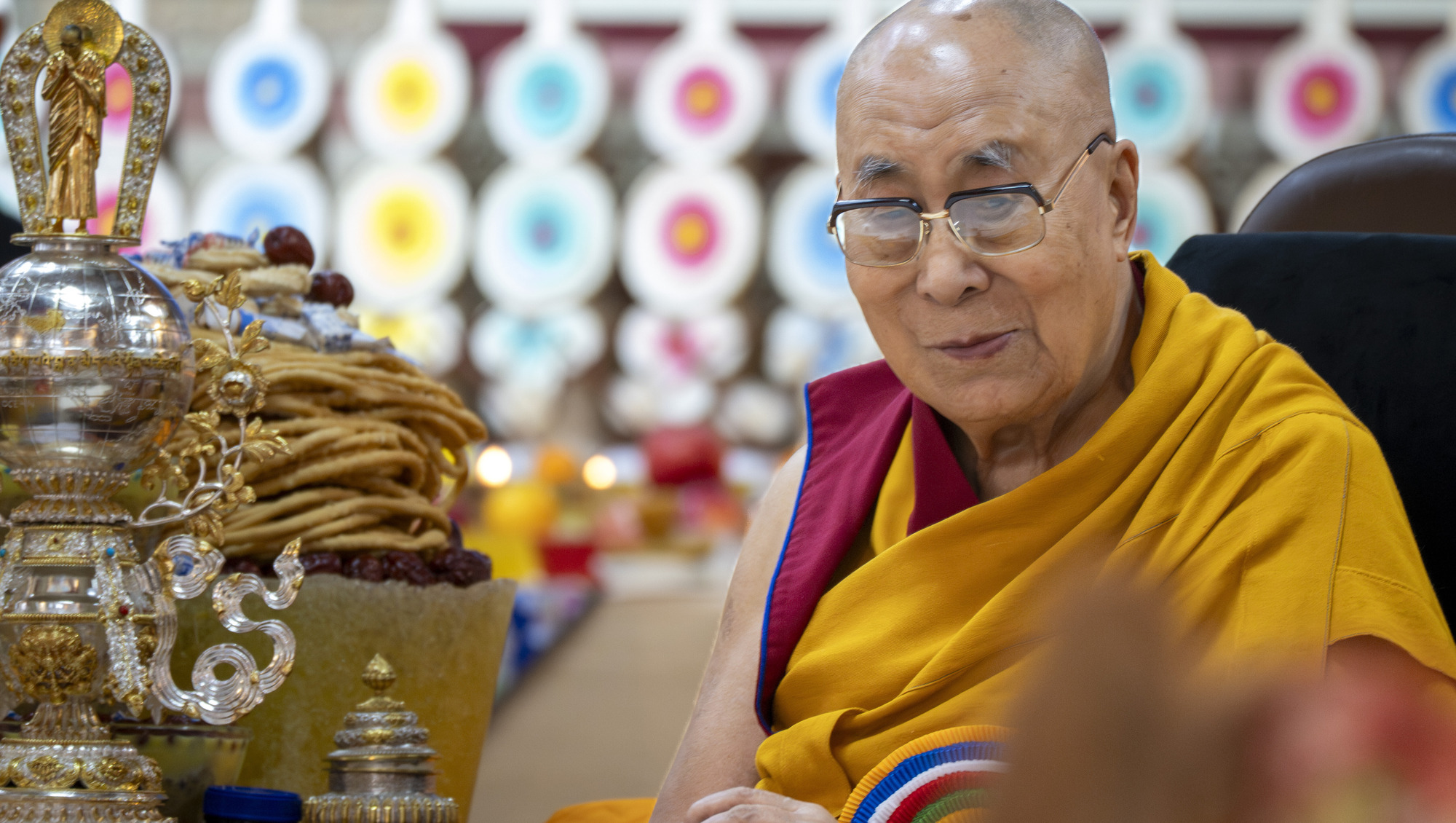
Tibetan spiritual leader the Dalai Lama (Ashwini Bhatia/AP)
The Dalai Lama has said the centuries-old Tibetan Buddhist institution will continue after his death, ending years of speculation that started when he indicated he might be the last person to hold the role.
Speaking at prayer celebrations ahead of his 90th birthday on Sunday, the Nobel Peace Prize-winning spiritual head of Tibetan Buddhism said the next Dalai Lama should be found and recognised as per past Buddhist traditions, while signalling that China should stay away from the process of identifying his successor.
The Dalai Lama’s succession plan is politically consequential for most Tibetans who oppose Beijing’s tight control of Tibet and have struggled to keep their identity alive, in their homeland or in exile.
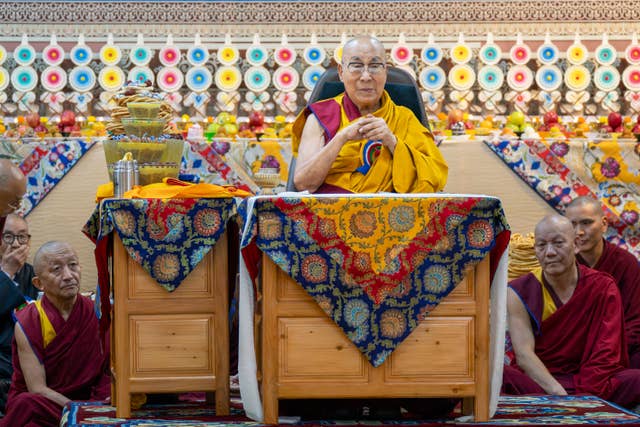
It is also profound for Tibetan Buddhists who worship him as a living manifestation of Chenrezig, the Buddhist god of compassion.
The statement is expected to anger China, which has repeatedly said that it alone has the authority to approve the next religious leader. It insists the successor must be found in China’s Tibetan areas, giving communist authorities power over who is chosen.
Many observers believe there eventually will be rival Dalai Lamas — one appointed by Beijing, and one by senior monks loyal to the current Dalai Lama.
Tenzin Gyatso became the 14th Dalai Lama in 1940. He fled Tibet when Chinese troops crushed an uprising in the Tibetan capital Lhasa in 1959 and has since been living in exile in the Indian town of Dharamshala.
Tibetan Buddhists believe the Dalai Lama can choose the body into which he is reincarnated. The current Dalai Lama has said in the past that his successor will be born outside China.
He laid out his succession plan in a recorded statement that was televised at a religious gathering of Buddhist monks in Dharamshala. He said the process of finding and recognising his reincarnation lies solely with the Gaden Phodrang Trust — an organisation founded by him in 2015.
“No one else has any such authority to interfere in this matter,” he said, adding that the search for a future Dalai Lama should be carried out in “accordance with past tradition”.
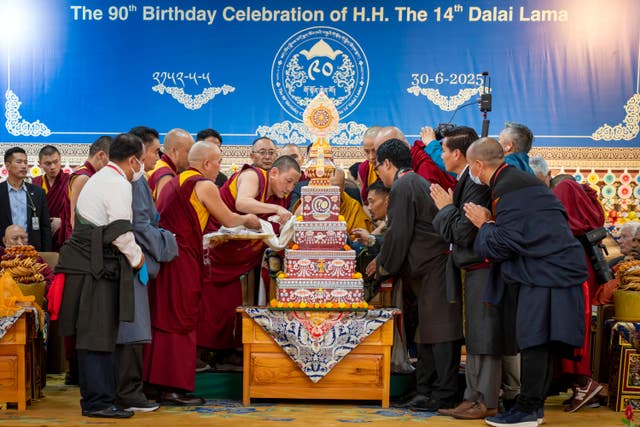
The Dalai Lama has often urged his followers to reject anyone chosen by Beijing. The self-proclaimed Tibetan government-in-exile he once headed before relinquishing his political role in 2011 supports this stance.
Penpa Tsering, president of the government-in-exile, said Tibetans from around the world made “an earnest request with single-minded devotion” that the position of the Dalai Lama should continue “for the benefit of all sentient beings in general and Buddhist in particular”.
“In response to this overwhelming supplication, His Holiness has shown infinite compassion and finally agreed to accept our appeal on this special occasion of his 90th birthday,” he said at a press conference.
Mr Tsering warned China not to meddle in the process of the succession, saying it is a “unique Tibetan Buddhist tradition”.
“We strongly condemn the People’s Republic of China’s usage of reincarnation subject for their political gain, and will never accept it,” he said.
The search for a reincarnation begins after the incumbent’s death. In the past, the successor has been identified by senior monastic disciples, based on spiritual signs and visions, and it can take several years before the next Dalai Lama is identified as a baby and groomed to take the reins.

CONNECT WITH US TODAY



Be the first to know the latest news and updates