Children with disabilities more likely to miss school
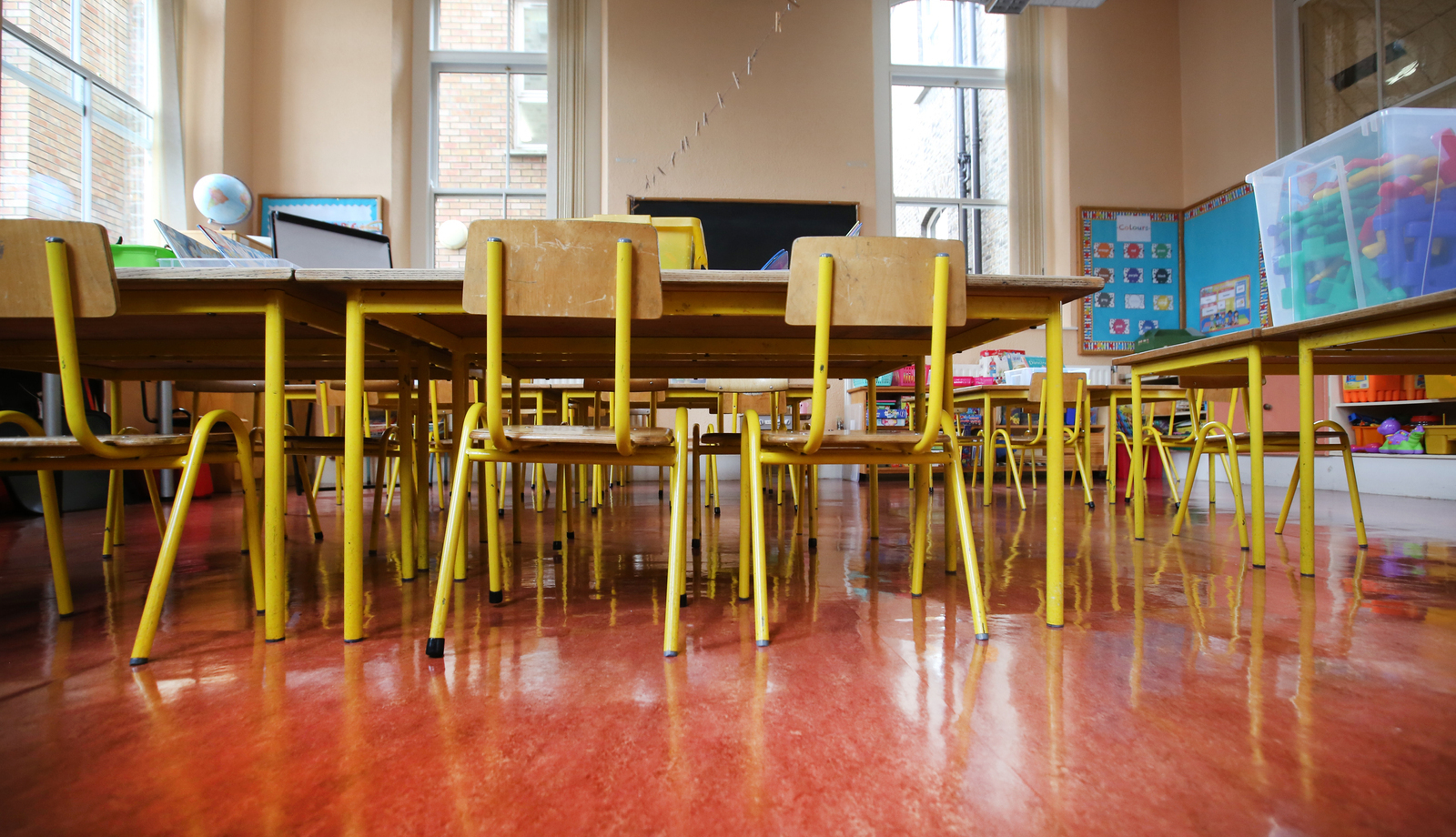
Figures published by the Tusla Education Support Service and the Department of Education show that around one in five students missed 20 days or more of school during the 2023-24 academic year.
Children with disabilities are more likely to miss school than their peers, according to new research examining patterns in attendance and absenteeism.
The study, carried out by the ESRI in partnership with the Tusla Education Support Service (TESS), examined the individual, family and school-related factors that contribute to school absence.
The findings come as school attendance remains below pre-pandemic levels.
Figures published by TESS and the Department of Education show that around one in five students missed 20 days or more of school during the 2023-24 academic year.
Using data from the long-running Growing Up in Ireland project, researchers compared 13-year-olds a decade apart and found school absence had increased most sharply among young people with socio-emotional difficulties and those who reported not liking school.
Disability, particularly a recently diagnosed condition, emerged as a "strong driver of school absence", the study found.
Read More
Researchers also found that absence levels tended to increase among young people whose disability was identified between the ages of nine and 13.
The report noted that further research is “needed to unpack the processes at play".
Researchers also found an association between socio-economic disadvantage and school absence, as well as higher absence rates among families experiencing financial strain and lone-parent households.
Young people from working-class or non-employed households or those with lower levels of education tended to have poorer patterns of attendance at primary level, the study found.
Many of this group maintained this pattern into post-primary level.
Exposure to adverse childhood experiences, such as separation, bereavement, or addiction, was also found to influence high or increasing absence levels, as did the absence of a routine and maternal depression.
“Over and above socio-economic background, local area deprivation plays a role, with poorer attendance trajectories for those living in social or private rented housing and in areas characterised by poor facilities and weak bonds among the community,” states the report.
Schools that involve students to a greater extent in decision-making also tended to have lower absence rates, the study found.
"The strong association found between socio-economic disadvantage at family and area level and school absence highlights the need for broader anti-child poverty policy to bolster educational interventions," said Anna Moya, co-author of the report.
"Mental health and parenting support services are also needed to assist families through challenging life events."
The research, published on Thursday, coincides with the next phase of the Department of Education and TESS 'Every School Day is a New Day' campaign.
It launched last year by way of tackling increased school absences which have grown since the pandemic.
Figures for the 2025/26 school year are not yet available.
Data from TESS shows 22.1% of primary school students, and 21.2% of post-primary school students, missed at least 20 days of school in 2023/24.

CONNECT WITH US TODAY



Be the first to know the latest news and updates