Nato adding troops in eastern Europe
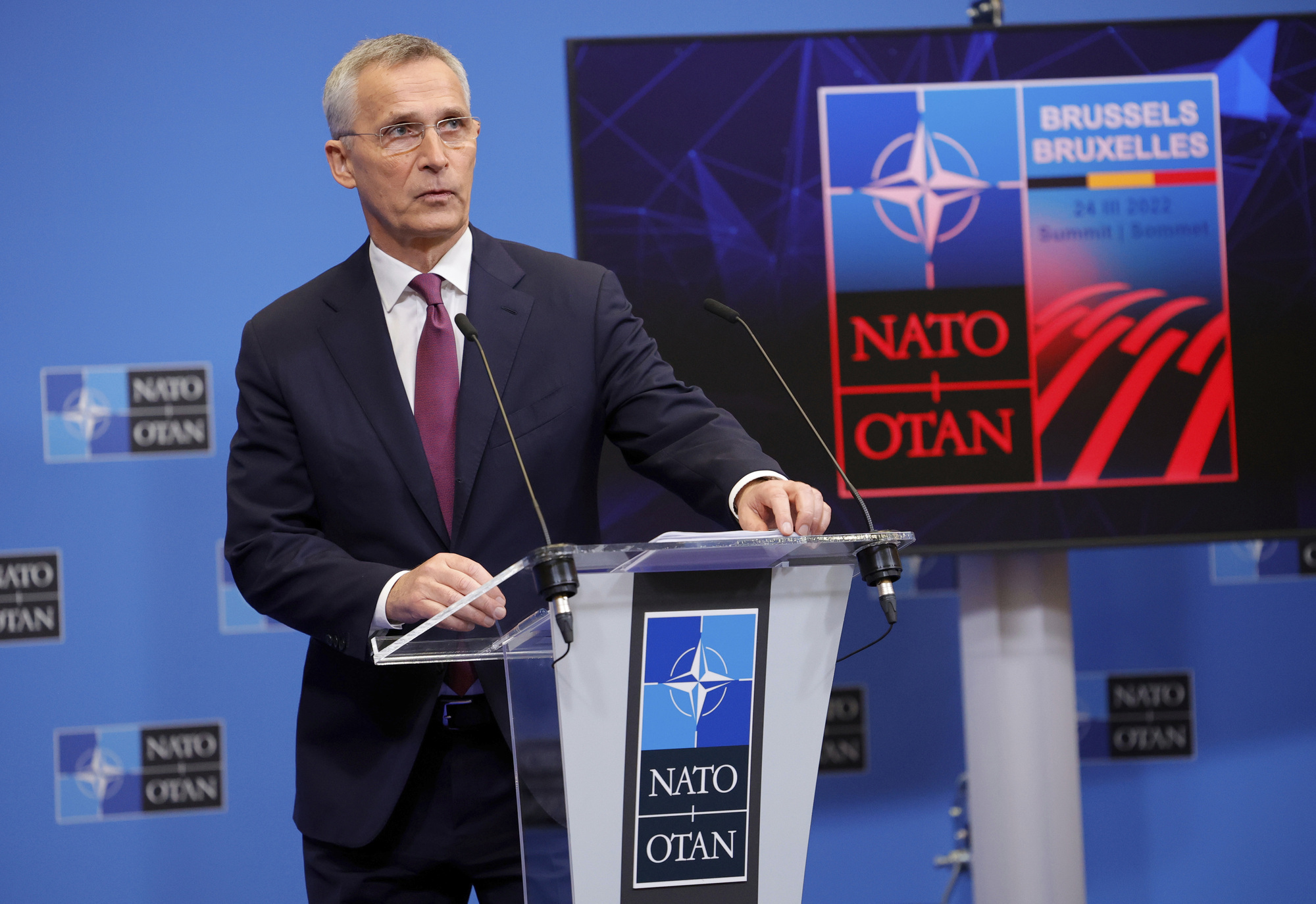
Nato secretary-general Jens Stoltenberg (Olivier Matthys/AP)
Nato leaders are set to agree to station more forces in eastern Europe to deter Russia from invading any member of their ranks and to send equipment to Ukraine to help it defend against chemical or biological attacks, the organisation’s top civilian official said on Wednesday.
Nato estimated on Wednesday that 7,000 to 15,000 Russian soldiers have been killed in four weeks of war in Ukraine, where ferocious fighting by the country’s fast-moving defenders has denied Moscow the lightning victory it sought.
By way of comparison, Moscow lost about 15,000 soldiers in Afghanistan over 10 years.
A senior Nato military official said the alliance’s estimate was based on information from Ukrainian officials, what Russia has released — intentionally or not — and intelligence gathered from open sources. The official spoke on condition of anonymity under ground rules set by Nato.
When Russia unleashed its invasion on February 24 in Europe’s biggest offensive since World War II, a swift toppling of Ukraine’s democratically elected government seemed likely.
But with Wednesday marking four full weeks of fighting, Russia is bogged down in a grinding military campaign.
With its ground forces repeatedly slowed or stopped by hit-and-run Ukrainian units armed with Western-supplied weapons, Russian President Vladimir Putin’s troops are bombarding targets from afar, falling back on the tactics they used in reducing cities to ruins in Syria and Chechnya.
Speaking on the eve of a series of Brussels summits focusing on the war in Ukraine, Nato secretary-general Jens Stoltenberg said four new battlegroups, which usually number between 1,000-1,500 troops, are being set up in Hungary, Slovakia, Romania and Bulgaria.
Mr Stoltenberg said the forces will remain in place “as long as necessary”.
Nato currently has around 40,000 troops from several nations under its command, a number almost tenfold higher than it was a few months ago, military commanders say.
“Along with our existing forces in the Baltic countries and Poland, this means that we will have eight multinational Nato battlegroups all along the eastern flank, from the Baltic to the Black Sea,” Mr Stoltenberg said. The alliance also has 140 warships at sea and 130 aircraft on high alert.
Russia’s actions, he told reporters, have become the “new normal for our security, and Nato has to respond to that new reality”.
Part of that new reality has been veiled threats from Russian President Vladimir Putin about the possible use of nuclear weapons and attempts at what Nato members say could be “false flag” operations to serve as a pretext for using chemical arms in Ukraine.
Mr Stoltenberg said the Nato leaders are likely to agree to send more assistance to Ukraine, including equipment to help Ukraine defend itself against chemical, biological, radiological and nuclear threats.
US President Joe Biden plans to attend the Nato meeting, plus summits of the European Union and the Group of Seven leading industrialised nations,
“Any use of chemical weapons would totally change the nature of the conflict, and it would be a blatant violation of international law and have far-reaching consequences,” Mr Stoltenberg said. He declined to say whether such an attack would be a red line that might drag Nato into the war.
As an organisation, Nato is not providing weapons to Ukraine. Its aim is only to defend its own members from Russian attack.
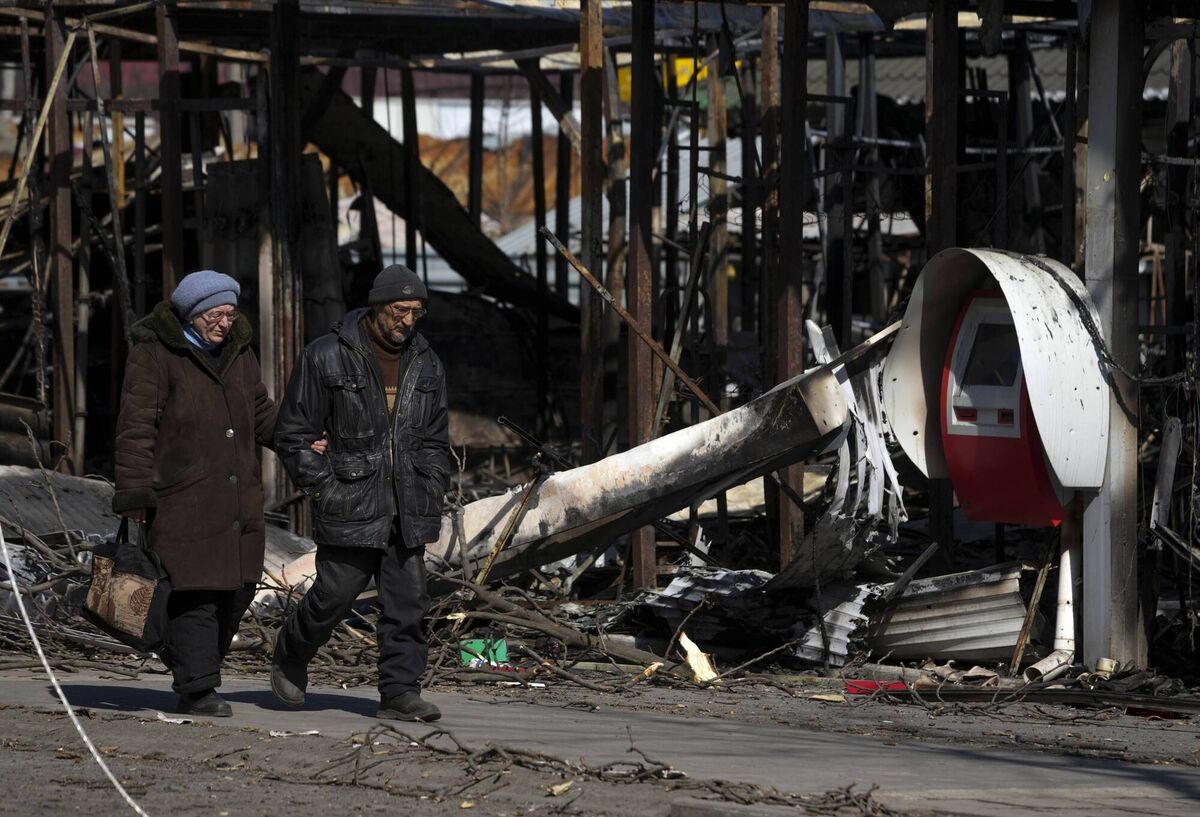
The 30-nation alliance refuses to send troops to Ukraine, either for combat or peacekeeping, and has said it will not deploy aircraft to protect civilians or police any no-fly zone.
But member countries are providing weapons and other assistance, individually or in groups.
The world’s biggest security organisation is keen to avoid being dragged into a war with nuclear power Russia.
But Mr Stoltenberg said that beyond wreaking havoc in Ukraine, “any use of chemical weapons, or biological weapons, may also have dire consequences for Nato allied countries”.
During Thursday’s summit, which is expected to run for about three hours, the leaders are also expected to call on China – which the West accuses of providing moral, if not military, support to Mr Putin – to help bring an end to the war.
“Beijing has joined Moscow in questioning the right of independent nations to choose their own path. China has provided Russia with political support, including by spreading blatant lies and disinformation, and allies are concerned that China could provide material support for the Russian invasion,” Mr Stoltenberg said.

CONNECT WITH US TODAY



Be the first to know the latest news and updates