'One in, one out' deal to send migrants back to Turkey gets EU backing
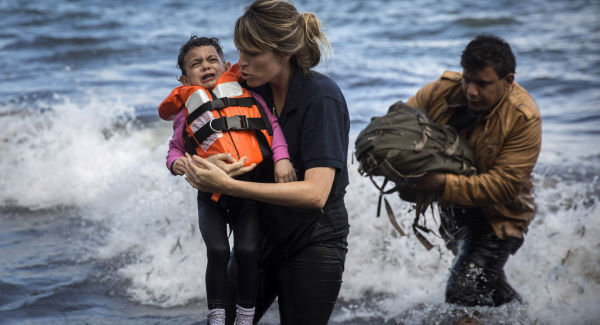
Greece looks set to start sending migrants back to Turkey from the beginning of next week after a proposed "one in, one out" scheme apparently won the approval of EU leaders in Brussels.
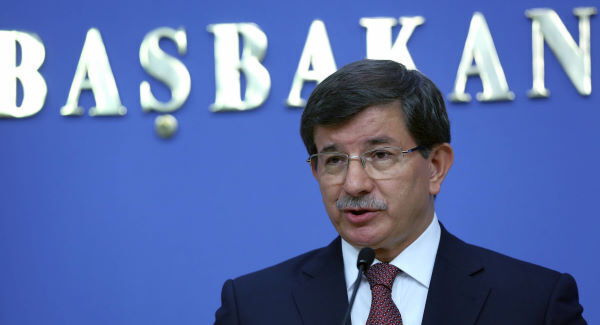
Under the scheme drawn up by European Council president Donald Tusk and Turkish prime minister Ahmet Davutoglu, any migrant arriving in Greece after March 20 would be given a swift individual interview to determine whether they will be allowed to remain or sent back to Turkey.
After less than an hour of discussions, the prime ministers of Finland and the Czech Republic tweeted from inside the European Council negotiations to announce that the 28 leaders had given their approval to the arrangement.
Mr Tusk's spokesman said that the agreement made clear that any removals would have to be "in full compliance with international and EU law" and that there would be no "collective expulsions".
He added: "The cut-off date is March 20 - that is on Sunday. All migrants arriving after that cut-off date will be returned after individual assessment."
The spokesman said the new arrangements would come into force at the end of Sunday, so the first migrants facing return would be those crossing the Aegean Sea to the Greek islands on Monday morning.
The new deal marks the conclusion of months of intensive diplomatic effort to secure Turkish assistance with a migrant crisis which saw more than one million people enter Europe last year - the majority of them via Greece.
The EU will accept one Syrian refugee for resettlement from camps in Turkey for each irregular migrant returned to the country, in a move which is intended to break the business model of people-smugglers by dissuading migrants from attempting the sea crossing.
The agreement addresses Turkish concerns about the slow delivery of €3bn promised by the EU last November, by including a commitment to identify within the coming week a list of projects which will receive funding. A further three billion euros are being made available after the initial tranche of support runs out.
The EU has also agreed to "re-energise" its relations with Turkey by accelerating talks on eventual accession to the EU, which began in 2005 but have long been stalled.
As the 28 EU leaders met behind closed doors in Brussels, Finnish PM Juha Sipila sent a message by Twitter to declare "Turkey agreement was approved", while the Czech Republic's Bohuslav Sobotka said: "The agreement with Turkey approved. All illegal immigrants arriving in Greece from Turkey starting from March 20 return back!"
The deal is also understood to promise visa liberalisation for Turkey's 75 million inhabitants, who could be granted visa-free access to the EU's Schengen borderless zone from this summer.
Earlier in the day, Turkey's president Recep Tayyip Erdogan was scathing about the reluctance of EU nations to take in refugees from Syria, saying: "At a time when Turkey is hosting three million, those who are unable to find space for a handful of refugees, who in the middle of Europe keep these innocents in shameful conditions, must first look at themselves."
As the summit agenda was extended to allow protracted talks with Mr Davutoglu, David Cameron chaired a meeting of leaders from Germany, Italy, France, Spain and Malta, as well as High Representative on Foreign Affairs Federica Mogherini, to discuss the threat of a renewed surge of migrants attempting the Mediterranean crossing from Libya to Italy over the summer.
The British Prime Minister wants the EU to open talks with the newly established government of national accord in Libya to expand its anti-trafficking operation into the North African state's territorial waters.
At present, EU ships - including one Royal Navy vessel - are able to intercept migrant boats in international seas, but Mr Cameron believes that taking action closer to the Libyan coastline will improve its chances of turning boats back and deterring migrants from setting off at all.
Some 1.2 million migrants arrived in Europe over the course of last year, and while the bulk of them took the shorter sea route from Turkey to the Greek islands, more than 150,000 attempted the more dangerous crossing from Libya. Mr Cameron said the EU must not "take its eye off the ball" in the central Mediterranean because of the focus on Turkey.

CONNECT WITH US TODAY



Be the first to know the latest news and updates