UN Security Council condemns Burundi killings
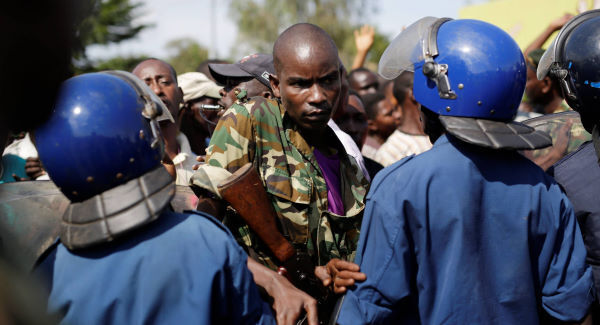
The UN Security Council has unanimously approved a resolution strongly condemning increasing killings, torture and human rights violations in Burundi and threatening possible sanctions against those contributing to the violence.
The vote follows an urgent call by international leaders for a meeting of Burundiâs government and opposition as fears continued that the African nation is at risk of a Rwanda-like genocide.
Top UN officials and human rights groups have urged action against what witnesses call a deadly government crackdown on opposition members.
The resolution asks Secretary-General Ban Ki-moon to deploy a team to Burundi to work with the government, African Union and other partners to âdevelop options to address political and security concernsâ.
Statements by government officials last week echoed language used in the 1994 genocide in neighbouring Rwanda, where more than 800,000 ethnic Tutsis and Hutu moderates were killed in a campaign orchestrated by Rwandaâs extremist government of majority Hutus.
Like Rwanda, Burundi has a history of tensions between its Hutu and Tutsi ethnic groups.
At least 240 people have been killed in Burundi since protests began in April against President Pierre Nkurunzizaâs ultimately successful quest for a third term.
The AU has asked the East African Standby Force to expedite contingency planning to deploy to Burundi if the situation gets worse.
#Burundi: Police shot cameraman; ordered wife, nephew, & 2 children to lie down on the street; shot them in the head https://t.co/oHQ7ftmHsb
— Human Rights Watch (@hrw) November 11, 2015
A UN peacekeeping department spokesman said that the deployment of UN peacekeepers from Congo has been mentioned as another possibility.
The joint statement by the UN, EU and AU on the sidelines of a major summit on migration in Malta called for a meeting of representatives of Burundiâs government and opposition in Addis Ababa, where the AU is based, or Kampala, Uganda.
A regional bloc has nominated Ugandan president Yoweri Museveni to mediate the crisis, but the talks have not started.
Thursdayâs joint statement warned of âthe threat for many more lives and a deep regional crisisâ and said the organisations agreed to âwork closely together and to mobilise all our means and instruments to prevent a further deterioration of the situationâ.