Turkey culls 1,400 from army and tightens its grip
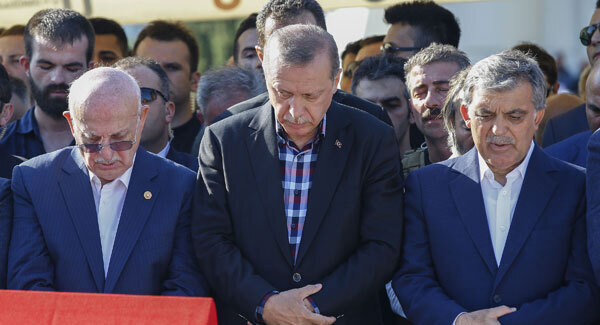
The scale of Erdogan’s crackdown — 60,000 people in the military, judiciary, civil service and schools have been either detained, suspended, or placed under investigation since the July 15-16 coup — has unnerved Turkey’s NATO allies, fuelling tension between Ankara and the West.
Adding to the acrimony, Turkey’s EU Affairs minister hit out at Germany on Sunday, after its constitutional court upheld a ban on Erdogan making a televised address to a rally of pro-government Turks in Cologne.
The new wave of army expulsions and the overhaul of the Supreme Military Council (YAS) were announced in the official state gazette, just hours after Erdogan said, late on Saturday, that he planned to shut military academies and put the armed forces under the command of the Defence Ministry.
According to the gazette, 1,389 military personnel were dismissed for suspected links to the Islamic preacher, Fethullah Gulen, who is accused by Turkey of orchestrating the failed putsch. Gulen, who lives in self-imposed exile in the United States, has denied the charges and condemned the coup.
Last week, 1,700 military personnel were dishonourably discharged for their role in the putsch (a faction of the military commandeered tanks, helicopters, and warplanes to topple the government). Forty percent of Turkey’s generals and admirals have been dismissed.
Erdogan says 237 people, excluding the plotters, were killed in the coup and 2,100 wounded.
Deputy prime ministers and ministers of justice, and the interior and foreign affairs ministers, will be appointed to YAS. The prime minister and defence minister were previously the only government representatives on the council.
They will replace military commanders, including the heads of the First, Second, and Third Armies, the Aegean Army, and the head of the Gendarmerie security forces, which frequently battle Kurdish militants in the southeast. The changes have given the government commanding control of the council.
Erdogan, who narrowly escaped capture and possible death on the night of the coup, told Reuters on July 21 that the military, NATO’s second-biggest, needed “fresh blood”.
German authorities barred Erdogan from addressing a rally, via videoconference, in the city of Cologne, due to concerns over public order, but Turkey’s EU Affairs Minister, Omer Celik, said the German Constitutional Court’s decision was “an utter backsliding in freedom of speech and democracy”.
Germany is home to Europe’s largest ethnic Turkish diaspora.