John Kerry seeks common ground in Russia ahead of world talks on Syria
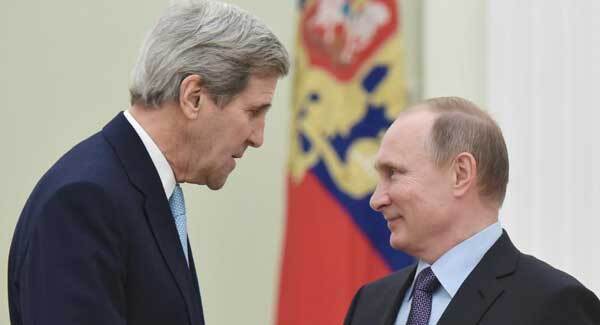
US secretary of state John Kerry, in a visit to Moscow yesterday, sought to make progress in narrowing differences with Russian leader Vladimir Putin over how to end the conflict in Syria.

John Kerry seeks common ground in Russia ahead of world talks on Syria

At the start of a three-hour meeting with Russian foreign minister Sergei Lavrov, Kerry said he wanted to prepare the ground for a third round of talks of world powers on Syria, pencilled in for Friday in New York.

It was unclear whether the meeting would go ahead without progress between Russia and the US over the role of Syrian president Bashar al-Assad in any political transition and over which rebel groups should be part of peace talks.

“I look forward to making real progress,” Kerry said before his meeting with Lavrov, which was followed by a lunch.

“I think the world benefits when powerful nations with a long history with each other have the ability to be able to find common ground.”

Kerry told Lavrov: “Even when there have been differences between us, we have been able to work effectively on specific issues.”

Russia, one of Assad’s staunchest allies, has launched a campaign of air strikes that it said targeted Islamic State (IS) militants but which also supported Assad’s forces.

The Kremlin says the Syrian people, and not external powers, should decide Assad’s political fate.

Lavrov told Kerry there was a need for more effective international co-operation in fighting terror. “On that route, there are still questions which today we need to look at,” Lavrov said in his opening remarks.

Kerry described the talks with Lavrov as “good” as he took a break to stroll in a shopping area near the residence of the US ambassador to Moscow where he was mobbed by a crowd who wanted a glimpse of him.

The run-up to the Moscow talks underlined the distance between Moscow and Washington on how to deal with the Syria crisis.

For its part, the Russian Foreign Ministry issued a statement complaining that Washington was not ready to fully co-operate in the struggle against IS militants and needed to rethink its policy of “dividing terrorists into good and bad ones”.

x

More in this section

Cookie Policy Privacy Policy Brand Safety FAQ Help Contact Us Terms and Conditions

© Examiner Echo Group Limited