Donald Tusk: Europe must move fast to save Schengen plan and tighten border control
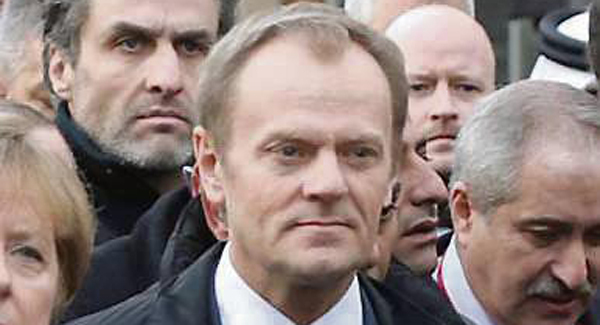
A two-day summit held in Malta was meant to focus on how to send back those who do not qualify for asylum to Africa and discourage others from attempting the risky journey across the seas in search of a better life.
However, the gathering of EU and African leaders quickly became overshadowed by fears that one of Europe’s prized benefits, the ease of travel through its Schengen passport-free area, was unravelling.
The bloc estimates that up to 3m more people could arrive in Europe seeking sanctuary or jobs by 2017.
Citing Sweden’s move to reimpose checks on arrivals from other EU countries and new measures in Germany and Slovenia, he told a news conference at a summit on migration on Malta that these showed EU states were under “huge pressure.”
“Saving Schengen is a race against time,” the former Polish premier said of the open border system among European states. And we are determined to win that race.”
That would require implementing the series of measures agreed amid great dispute among EU governments over the past few months, he said. “This includes, first and foremost, restoring external border control. Without effective border control, the Schengen rules will not survive.
“We must hurry, but without panic,” he said after a summit with African leaders that was followed by an emergency EU summit later in Valletta to discuss migration and notably efforts to secure a deal with Turkey to slow departures.
The leaders discussed inviting Turkish president Tayyip Erdogan to a summit in Brussels this month to seal an accord to curb migration, EU officials said.
The executive European Commission, whose deputy chief Frans Timmermans is leading negotiations with Ankara on joint measures to cut the numbers of Syrian refugees and other migrants leaving Turkey, put forward November 22 for a Brussels summit, officials said. However, leaders were still debating options.
Aware of Europe’s weak bargaining position with Erdogan following his party’s convincing election victory this month, some national governments are wary of rushing to satisfy a demand of the Turkish leader for higher-level contacts.
Some have insisted in recent days that they would only agree to an EU-Turkey summit once an accord was fully negotiated.
EU officials said, however, that Ankara was keen to fix a summit before it would start implementing its commitments to step up border security, measures it is taking in return also for EU grants, worth a possible €3bn, a deepening of its EU membership negotiations and easier EU visas for Turks.
The commission proposed to the leaders meeting in Valletta that Ankara be offered €3bn “refugee grant facility” for the next two years to help Turkey accommodate the more than 2m Syrians it is hosting.
Of that, €500m would come from the EU budget and the rest, under the Commission proposal, from the 28 member states according to their national incomes.
Sweden, with the highest number of migrants per capita in Europe, reintroduced border controls yesterday, and its leader defended the move. Prime minister Stefan Lofven said: “When our authorities tell us we cannot guarantee the security and control of our borders, we need to listen.”
Tensions were also high in the Balkans as Slovenia continued to erect a razor-wire fence on its border with Croatia to keep out migrants.
CONNECT WITH US TODAY



Be the first to know the latest news and updates