Shi’ites show strength as US warns Iran

HUGE crowds of ecstatic Shi’ites surged through the holy city of Kerbala yesterday, ending a pilgrimage that signalled to Washington they will be a powerful force in the new Iraq.

Shi’ites show strength as US warns Iran

The US, apparently alarmed at the possibility of Iraq’s majority Shi’ites taking their lead from neighbouring Iran, warned Tehran against “interfering” with its co-religionists in Iraq.

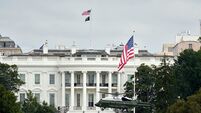
“We’ve made clear to Iran that we would oppose any outside interference in Iraq’s road to democracy,” said White House spokesman Ari Fleischer. “Infiltration of agents to destabilise the Shi’ite population would clearly fall into that category.”

The pilgrimage in the southern city of Kerbala, long banned under Saddam Hussein, was marked by slogans denouncing the US presence in Iraq. Shi’ites, who make up 60% of Iraq’s population, beat their chests, slashed their scalps with swords and whipped themselves with chains as they marked one of the most sacred festivals of their calendar.

Shi’ite leaders said they expected a million or more people to attend the Arbaiin pilgrimage to the tomb of Imam Hussein, a grandson of the Prophet Mohammad, who was killed there 13 centuries ago.

Retired US general Jay Garner, in charge of reconstruction in Iraq, told a news conference he thought the bulk of Shi’ites were “very glad they are where they are right now.”

Garner was speaking in Arbil in the Kurdish-controlled north, where he is warmly regarded for his role in helping Kurds set up their autonomous zone after the 1991 Gulf war.

Kurdish and US officials announced plans for a commission to resolve disputes between Arabs and thousands of Kurds who were displaced from their homes under Saddam.

The ability of Shi’ite clerics to organise the pilgrimage has underscored their influence and strength in post-war Iraq and suggests they may be better organised than previously thought. In Tehran, Iraqi Shi’ite leader Ayatollah Mohammad Baqer al-Hakim said he was ready to work with the US and others to establish stability in his war-torn homeland.

British Defence Secretary Geoff Hoon, the first cabinet member from Britain or the US to visit Iraq since US-led forces took over Baghdad on April 9, said Saddam was probably still in the country: “In the end we don’t know, but it is still our best judgment that he is (in Iraq).”

The diplomatic rift which opened between Washington and Paris over French opposition to the war appeared as wide as ever after US Secretary of State Colin Powell said France would suffer the consequences of its anti-US position. France played down the warning from Mr Powell.

x

More in this section

Cookie Policy Privacy Policy Brand Safety FAQ Help Contact Us Terms and Conditions

© Examiner Echo Group Limited