As North Macedonia field a player older than the country, more late bloomers who finally made it
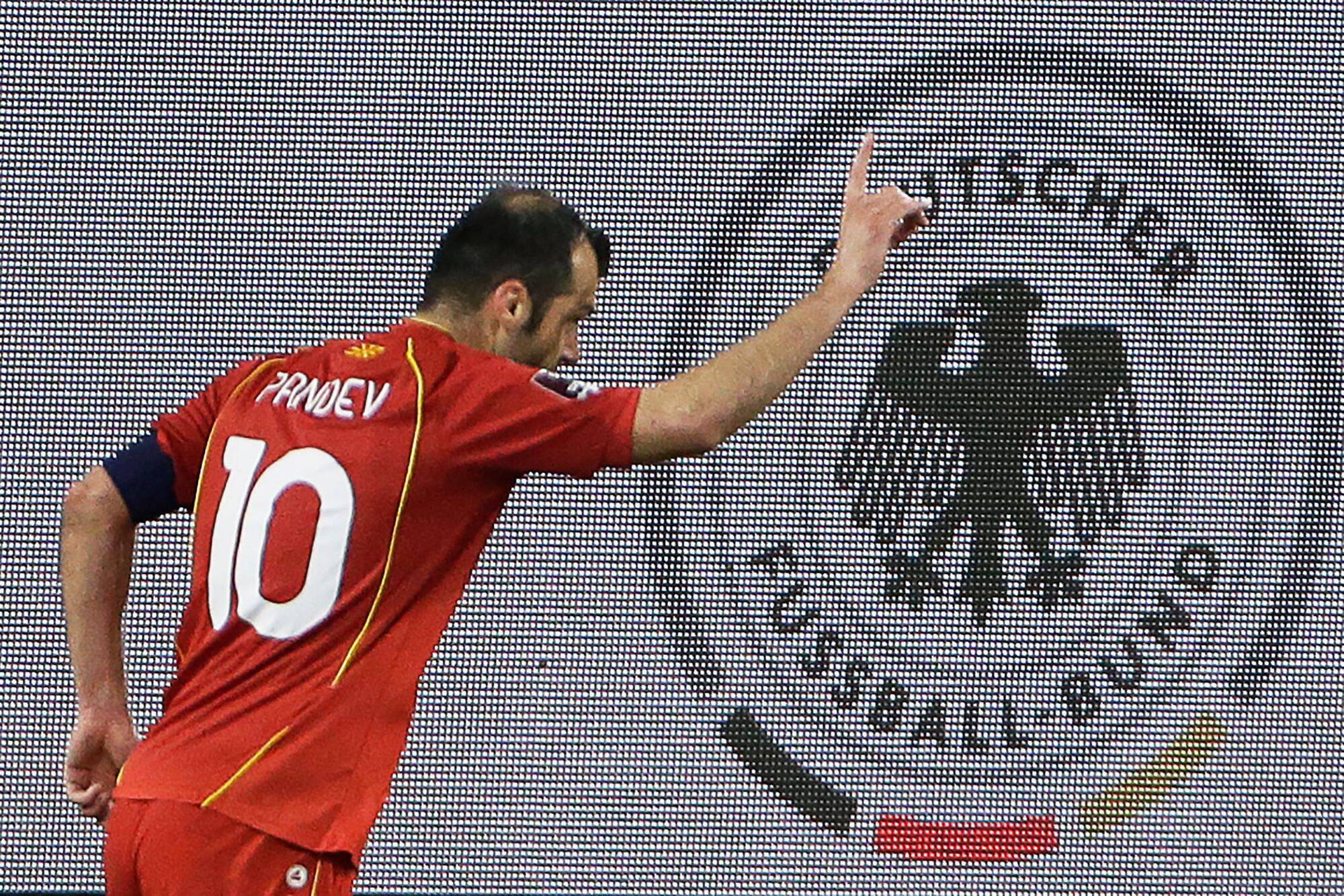
Goran Pandev of North Macedonia is older than his country. At 37, the Genoa forward gets to finally play in a major tournament. Daniel Storey picks six more stars who made a late bow on the big stage
As North Macedonia field a player older than the country, more late bloomers who finally made it

PARADISE GAINED: Veteran North Macedonia forward Goran Pandev celebrates scoring the opening goal during the 2022 World Cup qualifier against Germany. Pandev will play in his first international tournament at the age of 37. Picture: Thilo Schmuelgen/AFP via Getty Images
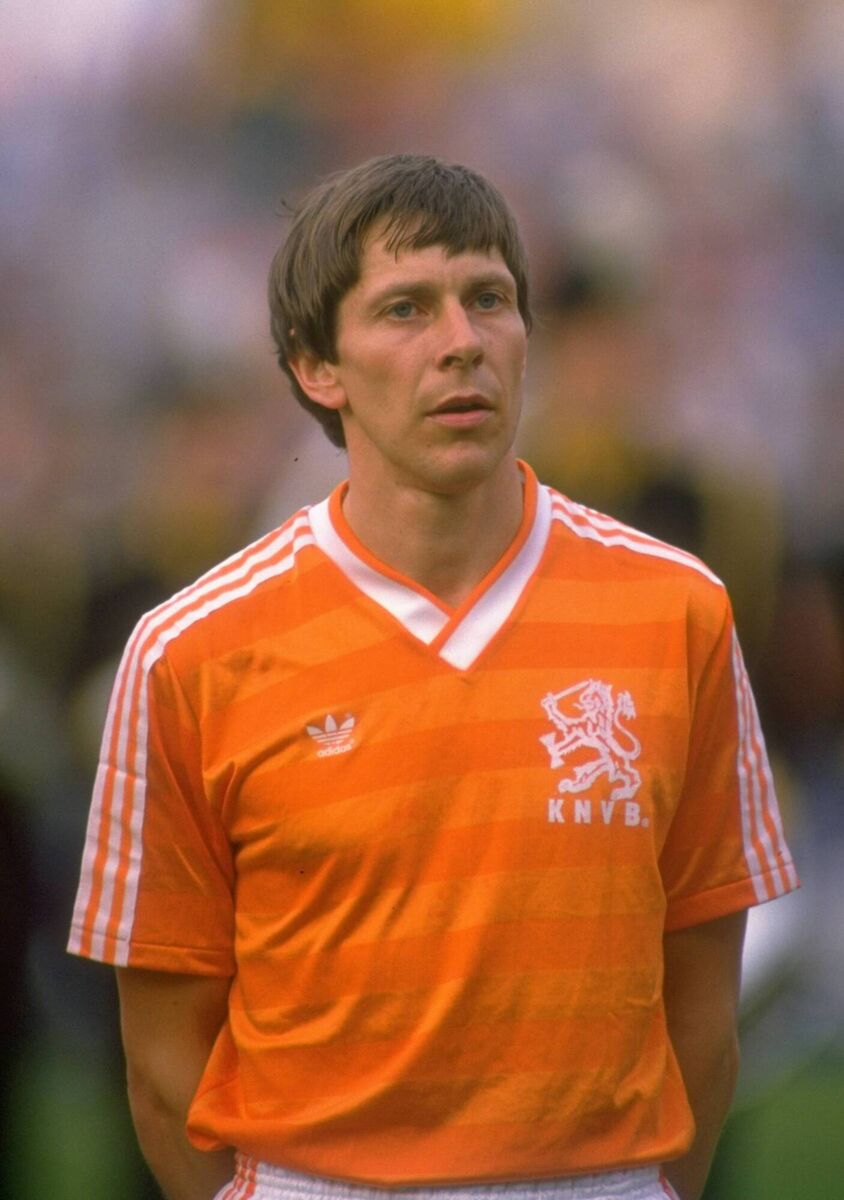
Arnold Muhren (Netherlands)

Muhren was a wonderful midfielder who is one of only six players to win all six international cup competitions — European Cup, Uefa Cup, Uefa Cup Winners’ Cup, Uefa Super Cup and the Intercontinental Cup.

All but one of those were with Ajax, who he left in 1974 and rejoined in 1985.

Muhren moved to England in 1978, joining Bobby Robson’s Ipswich Town (where he won the Uefa Cup) before spending three seasons at Manchester United. Despite his grace, composure, and passing range, the depth of options in the Dutch midfield restricted him to only nine caps before 1987.

Arnold Muhren of Holland

However, with his form persevering well into his mid-30s, Muhren forced his way into contention for the Oranje at the age of 35 and remained a fixture as Euro ‘88 dawned.

Not only did he make his first major tournament appearance at the age of 37, he provided the cross in the final for Marco van Basten to score the most famous volley in the game’s history.

Roger Milla (Cameroon)

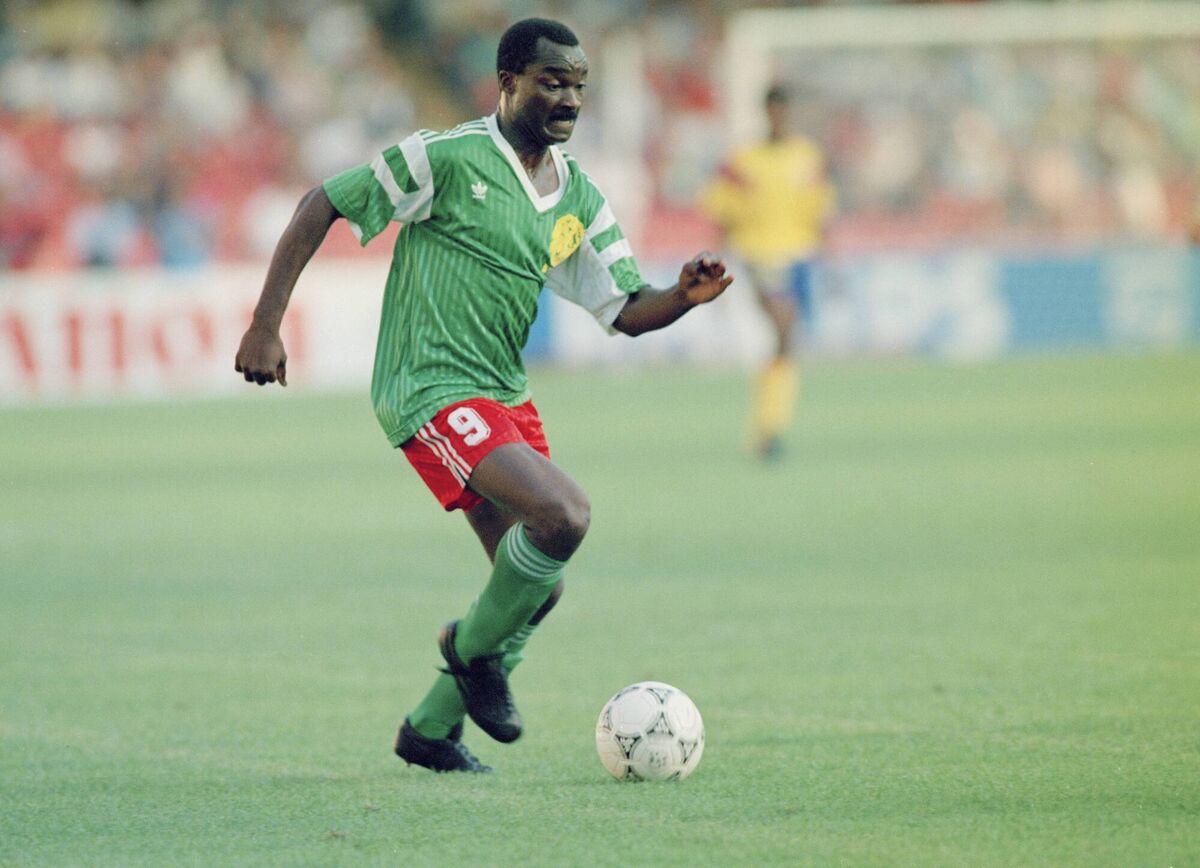
Milla’s most famous World Cup moments came in 1990 and 1994, but in 1982 he had already turned 30 before Cameroon’s maiden World Cup campaign. The Indomitable Lions had not even qualified for the Africa Cup of Nations since 1972.

Cameroonian footballer Roger Milla in action IN the 1990 World Cup

Milla made his international debut the following year against Zaire, playing his football in his home country until a move to Valenciennes in France in 1977. After effectively retiring in 1989 at the age of 37, Milla moved to Reunion and played amateur football before being called up in a time of need after receiving a begging phone call from Cameroonian president Paul Biya. At the age of 38, eight years after his late arrival on the world stage, Milla was ready to do the unthinkable.

David Seaman (England)

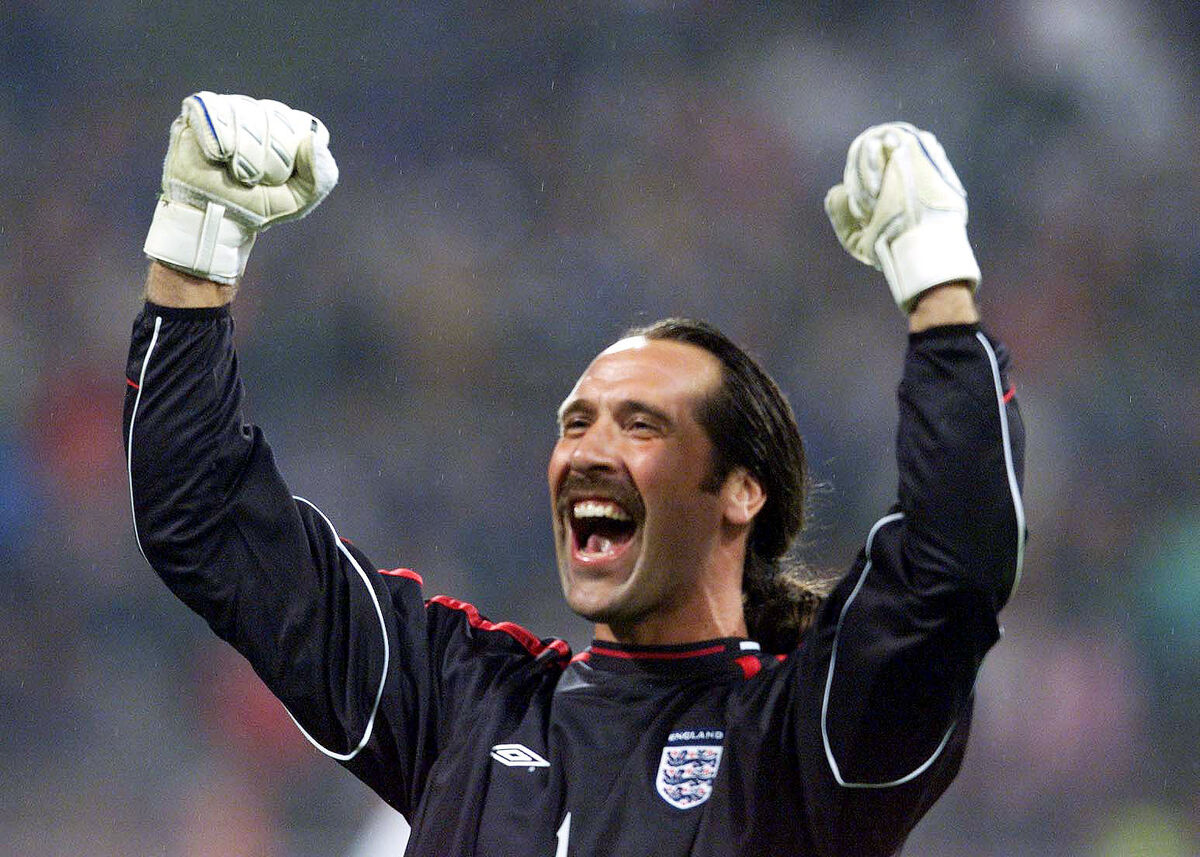
Seaman was both the best English goalkeeper of his generation and received the second-highest number of caps of any England goalkeeper, but his absence from major tournaments for so long became a source of great interest with Euro 96 looming.

England's goalkeeper David Seaman 

In fact, Seaman had just arrived at a difficult time. He was cut from Bobby Robson’s final 20-man Euro 88 squad in favour of Peter Shilton and Chris Woods (only two goalkeepers were selected back then), had to pull out of the squad at Italia 90 (although would probably not have played in any case), was not selected for Euro 92 and then became No. 1 just in time to fail to qualify for USA 94.

By 1996, and with England automatic qualifiers as hosts, Seaman was 32 and ready to make up for lost time. He saved penalties from Gary McAllister and Miguel Angel Nadal, remained England’s first choice for another six years, and ended his career shortly after the 2002 World Cup, his fourth major tournament.

Antonio Di Natale (Italy)

The Benjamin Button striker. When Di Natale joined Udinese from Empoli in 2004 at the age of 27, he was viewed as a middling Serie A striker. He had scored one goal in four caps for Italy’s senior side, but was considered low down in the pecking order.

In Udine, Di Natale found his home and managed to stave off the ageing process as if drinking the elixir of life with his morning cornflakes. He scored more Serie A goals after turning 30 than Pippo Inzaghi, Hernan Crespo, or Christian Vieri scored in their entire careers.

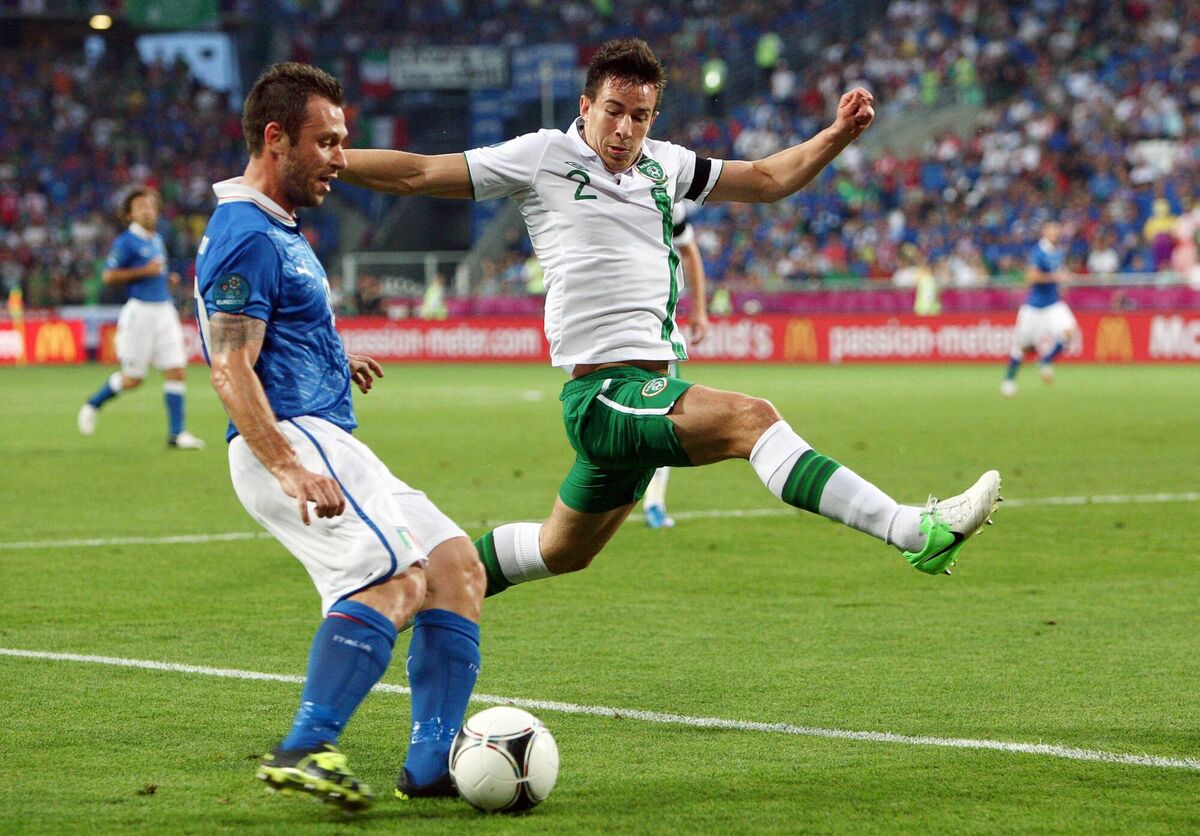
Ireland's Sean St. Ledger and Antonio Di Natale of Italy in action during Euro 2012. Picture: INPHO/Donall Farmer

In the five seasons between 2009 and 2014 (and the ages of 31 and 36), Di Natale scored 120 league goals. That total was beaten only by Lionel Messi and Cristiano Ronaldo in European football.

And so his chance with Italy came again. He made his major tournament debut in 2008 at the age of 30, playing in two of Italy’s four matches, played in all three of their games at the 2010 World Cup, and then played five more times in Euro 2012 at the age of 34.

Eidur Gudjohnsen (Iceland)

A similar story to Goran Pandev, Gudjohnsen was the leading light for Iceland for the majority of his career but only saw his dream of major tournament qualification realised in 2016 when he was advanced in years.

Unlike Pandev, Gudjohnsen’s career was virtually over before Iceland’s participation; he had played in China and Norway, making fleeting appearances and barely scoring at all.

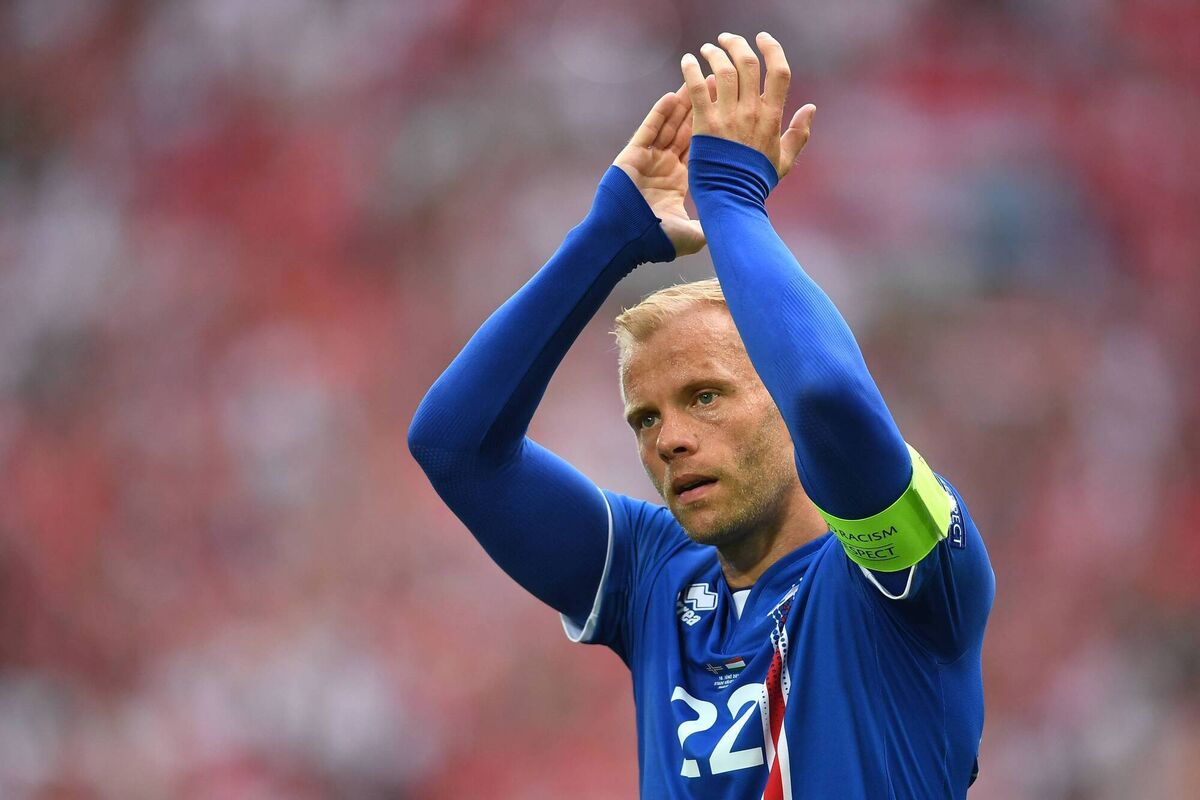
Eidur Gudjohnsen of Iceland 

But Iceland also knew that they needed to give thanks to their veteran hero, a man who had been the poster boy for a country’s attempts to pull itself up onto the world stage.

Gudjohnsen was substituted in Iceland’s group game against Hungary and again against England in the last-16, able to celebrate on the pitch with his team-mates after their famous 2-1 victory.

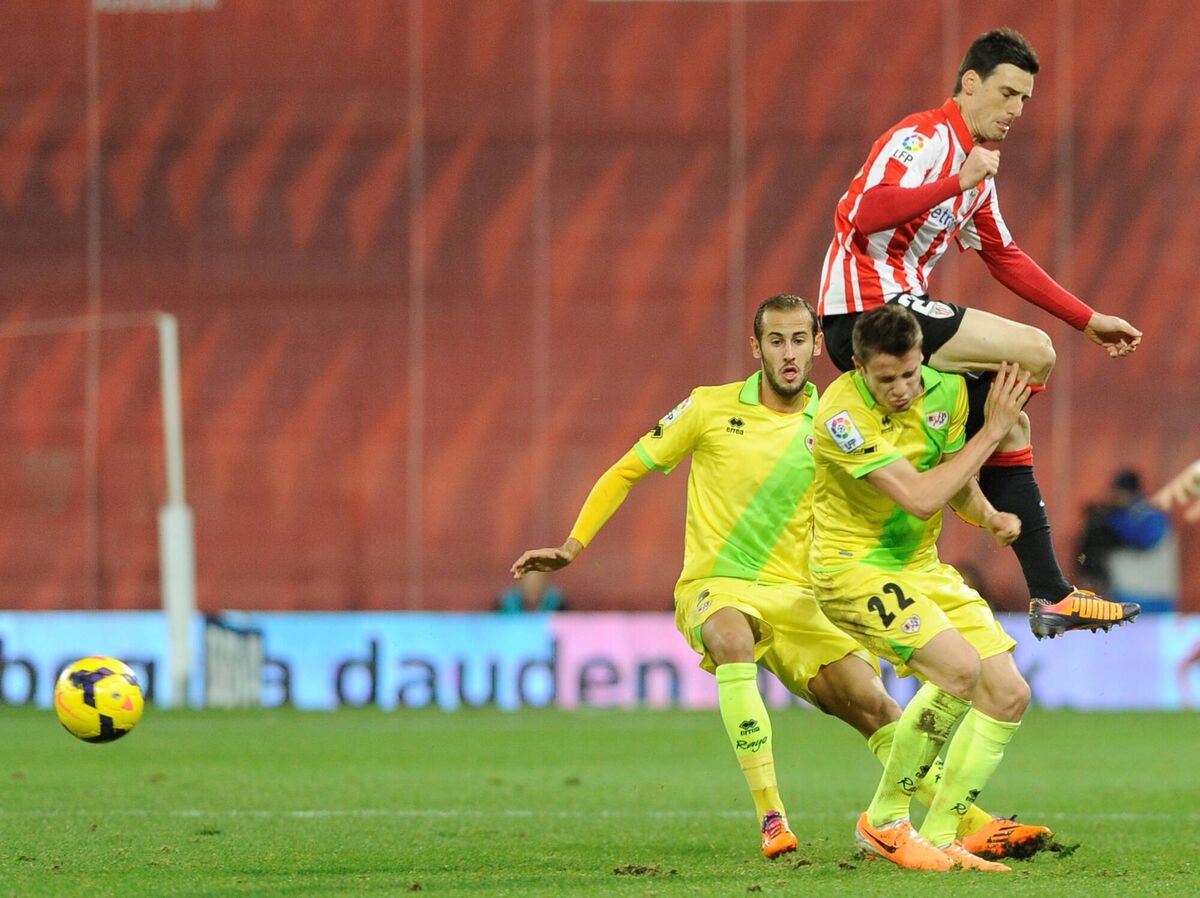
Aritz Aduriz (Spain)

Aduriz had already enjoyed a full career before his first call-up to the Spanish national squad in 2010. He had started at Athletic Bilbao before moving to Mallorca and then Valencia, where his form shortly before turning 30 earned him two caps in European Championshp qualifiers.

Rejoining Athletic Bilbao and enjoying a wonderful, extended Indian summer, Aduriz was then recalled by Vicente Del Bosque at the age of 35 for two friendlies shortly before Euro 2016.

Athletic Bilbao's forward Aritz Aduriz (R top) vies with Rayo Vallecano's midfielder Saul Niguez (R bottom) during A 2013 La Liga clash. 

Aduriz scored against Italy, earning him a place in Del Bosque’s Euro 2016 squad. He made his major tournament debut in that competition against Czech Republic.

In November of that same year, he became the oldest international scorer in Spain’s history.

More in this section

Sport

Newsletter

Latest news from the world of sport, along with the best in opinion from our outstanding team of sports writers. and reporters

Cookie Policy Privacy Policy Brand Safety FAQ Help Contact Us Terms and Conditions

© Examiner Echo Group Limited