VIDEO: Tough going, but Ireland got what they wanted from Zenica
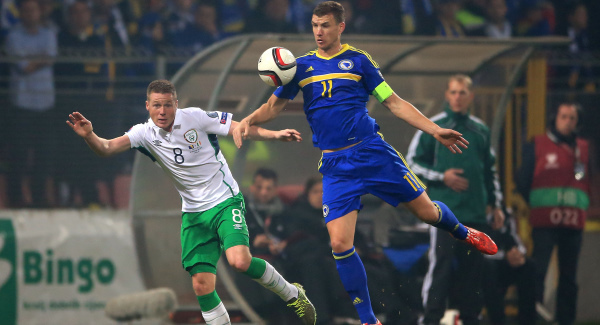
The one slight concern is that it is very aspects of the performance that make it just as difficult not to think that it will be a hugely nervy night in Dublin, where Martin O’Neill’s side will be as susceptible to conceding the away goal that they claimed here.
In many ways, this 1-1 draw - that classically Irish result - also summed up so many of the contradictions of this team.
Ireland concede so much possession but remain so impressively combative and competitive. They lose the ball so much, but still looked every bit as likely as Bosnia and Herzegovina to win this game.
The wonder is whether a bit more could have been done, but then the fact remains that Ireland have the advantage.
At the least, O’Neill can’t be accused of not going for it in terms of personnel.
The starting line-up was about as positive as it could have been, with Wes Hoolahan finally starting a tough away game, and now likely to play twice in three days.
Of course, it’s possible O’Neill’s hand was forced by the amount of absences - especially with both Jon Walters and Shane Long out - but he could still have easily gone for another defensive midfielder. The irony is that Bosnia, normally so attacking, themselves went more defensive by putting in an extra defender in Edin Cocalic - making his first competitive start.
Those close to the Bosnian camp say that was because manager Mehmed Bazdarevic had noted a pattern in how Ireland play long balls and wanted Cocalic to deal with that.
The twist is that, with Hoolahan in the side, Ireland can play a much greater variety of balls.
The crux, however, is that you actually have to get on the ball for any of this to matter much.
That didn’t really happen, as Ireland were so sloppy in possession. It again became apparent that Hoolahan is the only player who can really keep it, and that in itself meant that he really struggled to get into this game. Further forward, he was often isolated, forced to forage rather than force play.
He might have been helped had Whelan been capable of finding a white shirt from more than 10 yards away, but the Stoke midfielder instead repeatedly lost possession.
Really, this is an issue that goes way beyond any managerial decisions. Each woeful pass here should have been a wake-up call for John Delaney to finally start taking a more forensic look at altering our entire football structure.
It is actually someway surprising an international team can make a play-off despite being so bad in basic ball retention, but the flipside is that it is genuinely to the manager and team’s credit that they can be so competitive despite that. It is not a cliche. Ireland have so many qualities that other international sides lack. It is why they can at once look so easy to play through but still be so difficult to beat.
O’Neill’s approach has often left the side looking shapeless - and that was especially apparent in the first-half here, as it soon became apparent that Bosnia and Herzegovina realised there wasn’t much on the opposition to worry them - but he also cuts his cloth rather well.
Ireland’s main attacking threat here was through trying to force set-pieces, although that in itself showed the utter importance of Jon Walters.
He is so good at maximising even moderate deliveries through his physicality and movement.
To give Ireland credit, though, the team’s whole physicality and combativeness eventually ground Bosnia down.
The home side lost their initiative. When Robbie Brady scored, Bazdarevic’s side looked finished.
Then came another contradiction.
Just as Ireland’s competitiveness got them the lead, they lost all shape again and conceded.
The descent of the fog here was arguably fitting, because there is still so much that is unclear about the exact level of this side.
One thing is clear though: they have the away goal they came for.