Five things we learned from yesterday's quarter-finals
Scotland’s effort against Australia complicates a tale that looked very simple two hours earlier, but the troubles suffered by all the European teams in this tournament can’t be overlooked, and they provide yet more evidence of the need for things to change up north.
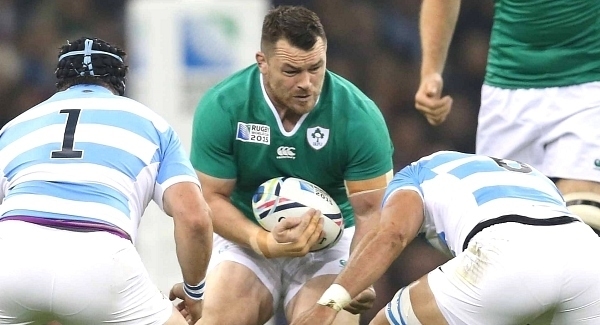
It may be the season or simply the culture, but the manner in which Argentina cut through Joe Schmidt’s side in the opening and closing quarters yesterday made it especially obvious that teams in this region need to adapt if they are to ever truly thrive at World Cups.
The good news is that Argentina adopted the new expansive style only three years ago. And look at them now.
Deciding you will play expansive rugby is one thing, going out and doing it while combining this with physicality, forward power, speed and intensity is another, and Argentina are blessed with an abundance of talent in all areas, front and back.
They have now beaten South Africa and the Six Nations champions — the former in Durban and the latter in Ireland’s beloved Cardiff — in the last three months and given the All Blacks a mighty scare on the opening weekend of the tournament when they lost by 10 points. Be afraid, be very afraid
How often have we heard successful players and teams talk about the need to improve on performances already delivered in order to stay ahead of the posse? Ireland’s loss yesterday showed they are still playing catch-up with the game’s true giants.
Joe Schmidt’s Ireland, for all its success in the Six Nations, are a very different animal to Joe Schmidt’s Leinster and it is surely time for the national team to embrace some of the attacking verve demonstrated by his Heineken Cup-winning sides of 2011 and 2012.
Disappointing though Ireland’s exit was, it came only after a typically gutsy effort having fallen behind to Argentina’s blistering start. France, however, simply melted away like thieves in the night when the All Blacks turned the screw.
It may suit the rest of the Six Nations to see the French at such a low ebb, but the European game needs them at their best if the wider picture — the Sisyphean attempt to match the southern hemisphere — is to bear any fruit.
Rooted to the nether reaches of the Six Nations since its inception in 2000, Scotland finally appear to have assembled a coaching staff, player base and support structure capable of making them a real force in the European game and more.
Squad depth is an even greater concern than for Ireland, but they have a first XV capable of doing damage to any of their European rivals. Bad news for the others? Not at all. The game in this region needs all the heavy hitters it can muster.