Pádraig Harrington still in it to win it as he breaks Seve Ballesteros’ record
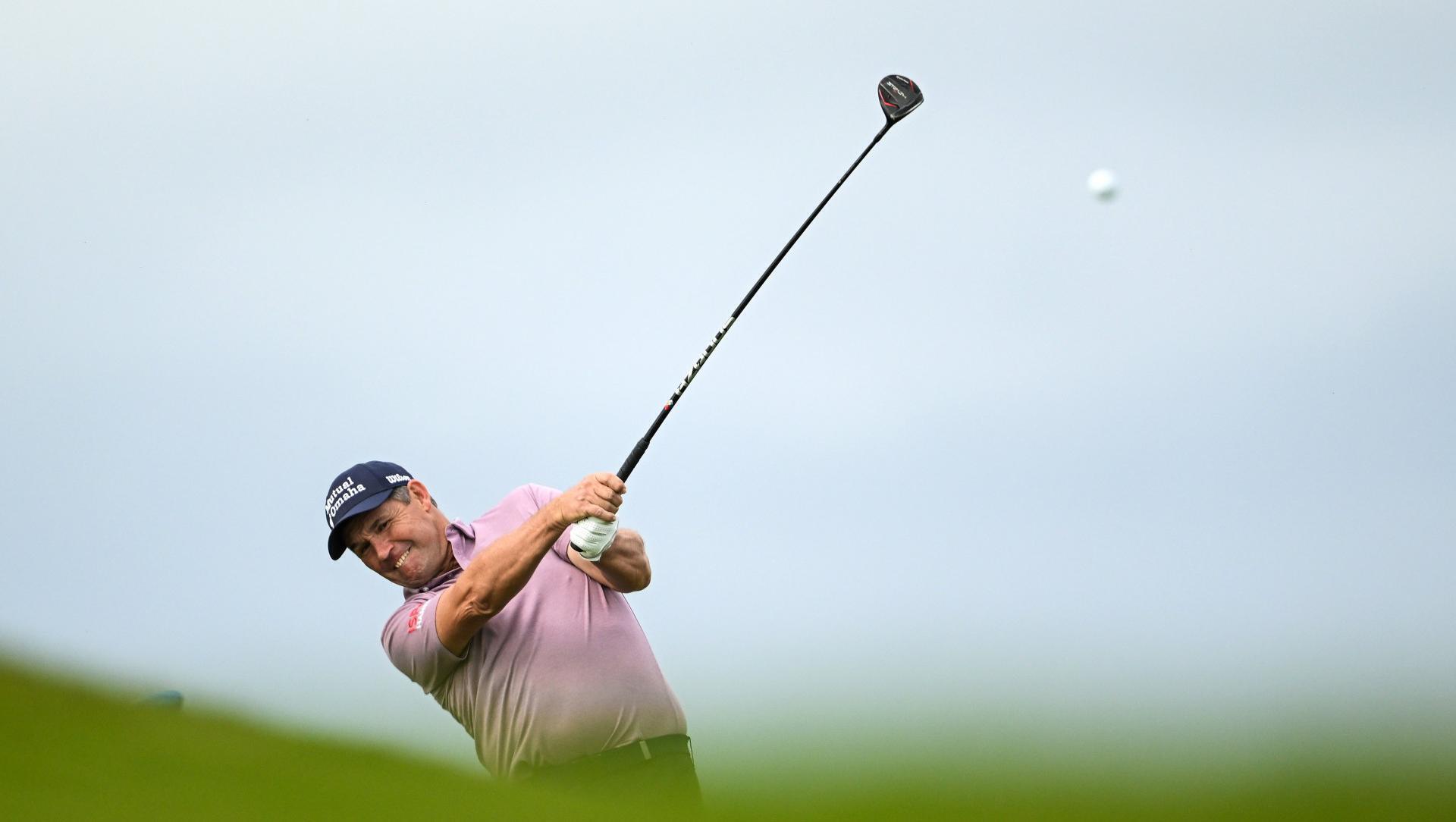
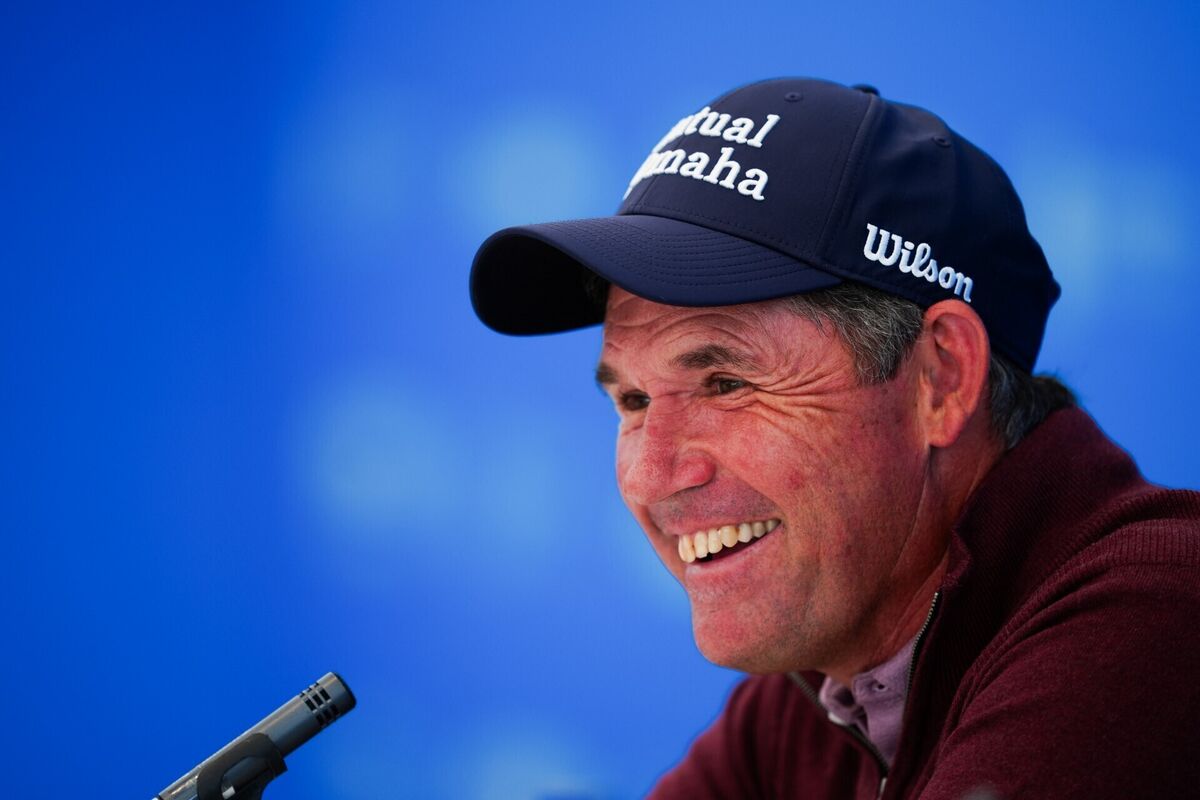
IN IT TO WIN IT: Pádraig Harrington during the pro-am in advance of the Amgen Irish Open. Pic: Ramsey Cardy/Sportsfile.
Thirty-one not out. A stat that wouldn’t be worth a glance in cricket, a badge of honour in golf.
Pádraig Harrington was 24 years old when he first teed up at the Irish Open, at Druids Glen in 1996. At 9.45am on Thursday he will let loose his drive at Trump International Golf Links and Hotel and break Seve Ballesteros’ record for most consecutive national Opens.
Even he was shocked by that.
“Wow, I just thought it was the Irish Open. So of all Opens, the No. 1? Gee, whiz.” And then the coda. “And I still think I can win it!”
That should come as precisely no surprise from a player renowned for his obsessive enthusiasm for the game of golf and a man who is doing most of his best work on the senior circuit where he won another major this summer with its US Open.
That said, he has reined in the madness. There was a time when he would turn down dinner invitations on tour because they didn’t fit in with his practise, physio and gym plans. He’s more easy-going about that stuff now.
Read More
“My number one priority at tournaments is to enjoy myself,” he explained before this Amgen Irish Open.
“I know Ronan [Flood, his caddie] will tell you at times that he has to remind me of that, but my priority is to enjoy the lifestyle and that helps me play better golf.”
It’s been a journey for him. Still is.
He reminisced about his return to Europe in the early days to play in places like Hamburg and Amsterdam after missing out on the FedEx Cup, shooting 72s and 73 and looking around at men much younger than him and wondering should he even be there.
“I was very much burnt out.” By 2007 he was in the process of cracking this game. That was the year he won the first of his three majors. It was also the year he won his Irish Open. That’s just as notable because he had struggled at his home gig for over a decade.
There was a weight on him. He joked about taking it personally if another player complained about their toast being overdone, but it was mostly what he felt at the time was an expectation rather than a hope from the galleries that he would perform.
There are tournaments, he said, where a player can go unnoticed until they appear on the Sunday evening leaderboard. The Irish Open brought that kind of attention and pressure from the moment he arrived onsite the Monday before.
Winning it in Adare Manor 19 years ago changed that for him.
“You can't have a perfectly organised week. You have to swing with the punches, and that's what you learn after a while. Earlier in my career, I fought against that. I tried to treat them like regular events but that's not what they are.
“Your national Open is different. You have to acknowledge it and actually accept it that, there's a lot of different things going on.”
CONNECT WITH US TODAY



Be the first to know the latest news and updates