Noel Connors: The GAA must never become like any other organisation
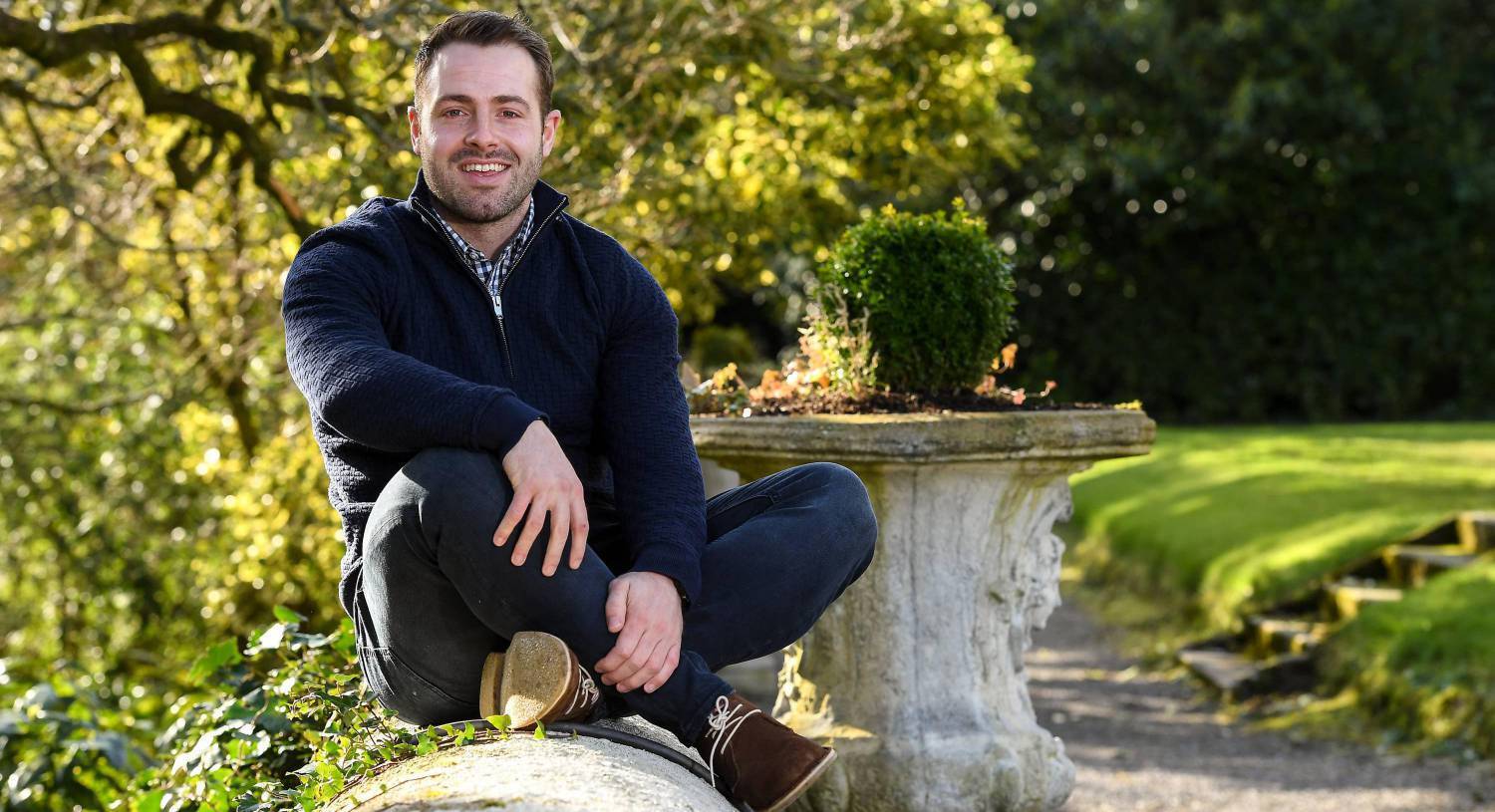
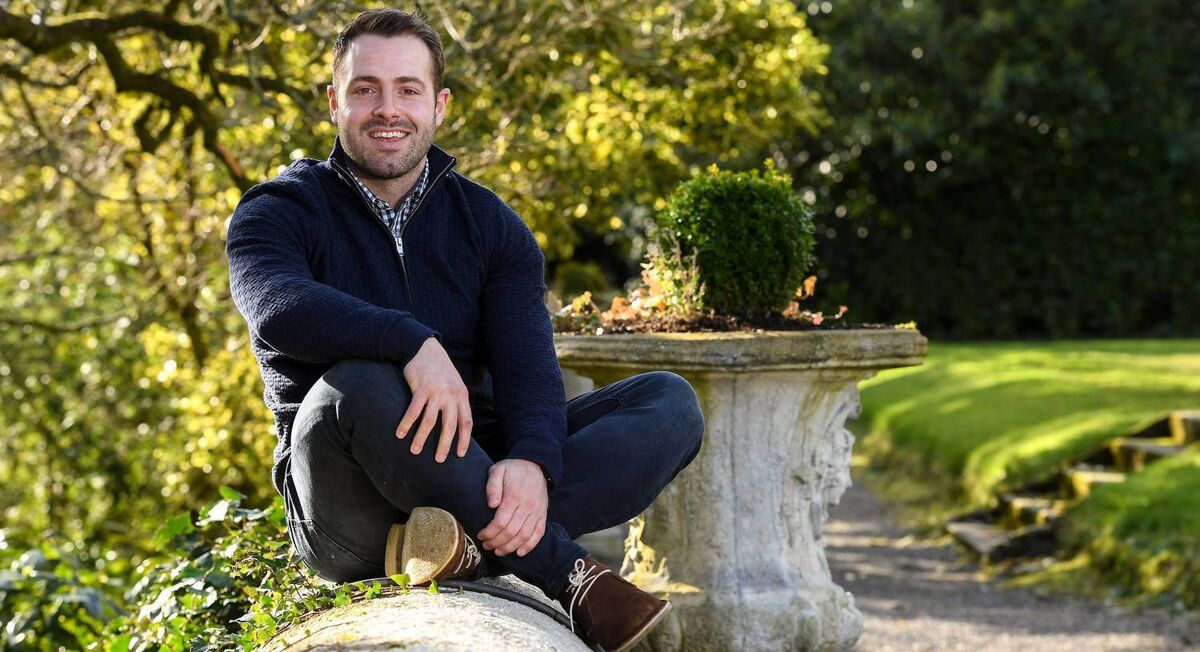
Waterford hurling legend Noel Connors says “the power of the GAA club in the community” is being recognised during the lockdown.
Connors graduated with a PhD from Waterford Institute of Technology in 2018, having focused on GAA clubs for his thesis, and says GAA clubs’ work in supporting their communities is “underlining” their status in those communities.
“The way GAA clubs are helping out now (in the lockdown) is adding to the recognition of what a GAA club is in its community, something I think that’s been growing in recent years.
“Not that you should compare it to the church, but that would traditionally have been the focus of a community, where people would have gathered to chat and so on.
“Now that might be the GAA club, so people are recognising the power of the club in the community, and the current crisis is underlining that.”
For his PhD, Connors looked specifically “at the organisation of GAA clubs, and tried to explain that organisation, because I think as GAA people we struggle sometimes to explain what the GAA club is to people who aren’t part of the organisation.”
And to do that... “I listened to the stories of people involved in clubs — many of them could tell the history of the club, the importance of certain events and why those events changed the club for better or for worse, county final wins and family spats, all of those things which are common to all sports, all organisations.
“The difference is you hear about organisations in the corporate world and the particular elements which make those organisations function well. A GAA club, by contrast, doesn’t have very formal structures when it comes to who becomes chairman. And yet that’s the essence of the GAA, the fact that the people who get those jobs get them for the right reason — they’re doing those jobs for the betterment of the club and the community.
“That’s how most of the big decisions are made in a club — ‘is this for the betterment of the club”’, and nine times out of ten it is. And that’s what the essence of a GAA club is, about making decisions for the benefit of the club.
“And the on-field stuff can be a visual explanation of what happens off the field. Clubs that are very successful on the field of play tend to have their off-field business going well.
“If they get everything beyond playing games well organised that tends to be reflected on the field too.”
Does the GAA have much to learn from the corporate world Connors refers to?
“What I’d say is the GAA shouldn’t become like any other organisation — sports organisations included. The notion of isomorphism comes in then, where every organisation is trying to ape each other.
“That’s how a lot of organisations fail. They start out doing one thing particularly well but then they find themselves doing something that’s the complete opposite to the reason they were set up in the first place. They lose their purpose.
“The GAA’s an organisation that was set up with one particular purpose and it’s very important not to lose that. You can look at different sports across the world which have gone from amateurism to professionalism — the club person can then find themselves in a world that’s quite strange.
“Rugby is an obvious example in that going professional had a negative effect on the club, and that scene struggled for years. Something similar happened to cricket in a lot of countries.
That’s one thing about the GAA — it shouldn’t try to copy other sports organisation, it should stick to what it’s used to and remember that it’s a bottom-up organisation and that’s why it’s so successful.
And within the organisations itself, different clubs need different approaches.
“I’d have had conversations with 26 different people from across the GAA, people involved with superclubs in Dublin with huge memberships and small rural clubs with a fraction of that membership.
“They were all hugely co-operative, whether I met them in work or at their kitchen table or the club, but their challenges differ from club to club.
“In every club, there are essentially a couple of individuals who drive that club forward. Those individuals are at the centre of the club, pushing the sports in the school and the community, and that’s replicated all over the country.
“That’s the good thing about the GAA, the fact there are so many people within the organisation who are likeminded and see what’s special about it.
“We tend to forget at times how special it is for Irish society, how different it is. Growing up with it, it’s the norm, but you meet people who aren’t familiar with it and trying to explain it, that it’s an organisation that earns €100 million every year and owns one of the biggest stadia in Europe - but it’s owned by its members, who are volunteers.
“People tell you that it doesn’t make much sense, and the more you try to explain it the more interested they are in trying find out about it.”
Is the pandemic making clubs think about what they need — what’s essential for them to progress?
“It’s the simple things. Always.
“One story I heard on the journey was about a particular club which was putting all its energy into its senior team, but which was struggling to get people involved across the board.
After a while, the club was struggling until two or three lads got together and decided to focus on the underage system - and when that improved they got back on top and succeeded at senior level as well.
“The simple things — going back to the juveniles, putting time in there. It’s not a Premier League team bringing in a couple of new players to rejuvenate things because you can’t do that. And the GAA shouldn’t think that way anyway.
“It’s a natural enough cycle in the GAA — a promising crop of kids come through from U12 and they start breaking through at minor, then adult level.
“A few families produce a couple of players each and after a couple of years the adult team is outstanding.” Finding people for administration can be trickier, of course.
“A lot of GAA people don’t have the skills for administration and find it quite uncomfortable.
“They’re happy to train teams in mud up to their knees, which is very satisfying, and administration isn’t as satisfying. It’s difficult, obviously, if you don't have the expertise or the skills for it.
“And that distinguishes GAA clubs from corporate bodies and organisations, clearly. Don’t forget, by the way, that the time spent out on the pitch training teams is a diversion for people, too, a break from the pressure of work.”
Is there one lesson, one takeaway, from his research that he could share with GAA clubs, or is that too simplistic?
“It probably is (simplistic), but the most basic point is not to forget you’re unlike every other sports organisation. Not to forget the purpose of the club.
“We’ve all heard horror stories about clubs setting up bars or other facilities and then getting into financial difficulties. The bottom line is to have people on the field enjoying themselves — it’s not about winning cups so much as the community spirit the GAA club engenders.
“My own club have been very good in that they’ve asked me to support them in administration or in fundraising or whatever they’re doing. You have to help as much as you can and that’s been hugely enjoyable.
“I wouldn’t be here without the club, I’d be very aware of that.”


CONNECT WITH US TODAY



Be the first to know the latest news and updates