Age the main battleground as Congress considers burnout measures
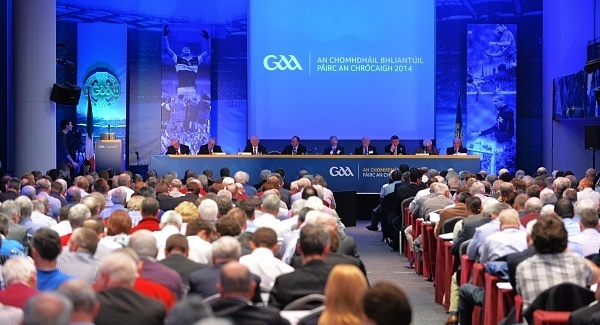
Like a sufferer in denial, it was obvious the GAA needed the medication but didn’t consent to its administration.
The Dr Pat O’Neill-led burnout committee’s call to do away with the minor and U21 grades and replace them with the compromise of a new U19 level was too radical. While other logical steps such as banning freshers from playing in the Fitzgibbon and Sigerson Cups were taken, the headline recommendation was defeated, 58 voting for it and 115 against.
Eight years on and with no let-up in the number of overload injuries, GAA director general Páraic Duffy today presents to Congress another raft of motions aimed at curbing the demands placed on young players.
There is something for everybody, though, with the proposal to bring forward the All-Ireland finals by two weeks so as to allow more time for club fixtures, a measure which it is hoped by the top table will pave the way for a calendar year. There are motions to reduce the football league by one match weekend and the facility of extra-time applied to all championship games outside of All-Ireland and provincial finals.
But, from experience, O’Neill knows the main battle ground will be the proposed changes to the age groups – dropping minor level to U17 (and over 15) at inter-county level and replacing the U21 All-Ireland football championship with an U20 developmental All-Ireland FC.
Duffy had initially suggested ending the U21 FC completely before receiving feedback that a replacement was needed. Similar to the U19 competition put to delegates in 2008, the U20 version will be played over the summer months involving players who aren’t part of their counties’ senior panels.
“It (burnout) is considered a problem because of congestion,” says O’Neill. “The issues are repeating for that particular age group so I suppose it’s another attempt to trying to reduce the activity level for the talented ones or the busy ones anyway.
“The director general was involved in that (burnout) committee and he is obviously concerned about it. With great enthusiasm and in all fairness to him, he has taken it back on his own agenda rather than go back to a committee. It’s with modifications in the hope of progressing it because there are obviously issues there.
“The big issue is changing the age groups and that probably brought down other parameters that might have been useful to implement (in 2008). I know the last time doing away with the U21 was a big issue and that militated against the proposals being accepted in a broader sense and now it’s back in the mix again, a couched version of it.
“It was considered so critical at the time that a Special Congress was called, which means something of concern and importance is involved but it just didn’t carry through with democracy.”
Moving the minor level to U17 would ensure a large swathe of players aren’t involved in final secondary school examinations while training and playing for their county. It is but one of the benefits of altering the age restrictions, says O’Neill.
“Interference with the educational process has been highlighted by several educational experts who are involved in Gaelic games and know what’s going on. The other end of it is the so-called burnout, which is not a great term, really. But it is excused for the impact and explanatory purposes of over-training, which leads to recurring and overuse injuries and the aggravation of injuries in contact sports where you’re not giving optimum time to recover.
“There’s the whole psychological aspect of it as well and the pressures involved. Those were the core issues identified back then and are being rehashed again.”