Jack Anderson: What the GAA can learn from AFL on TV rights and championship format
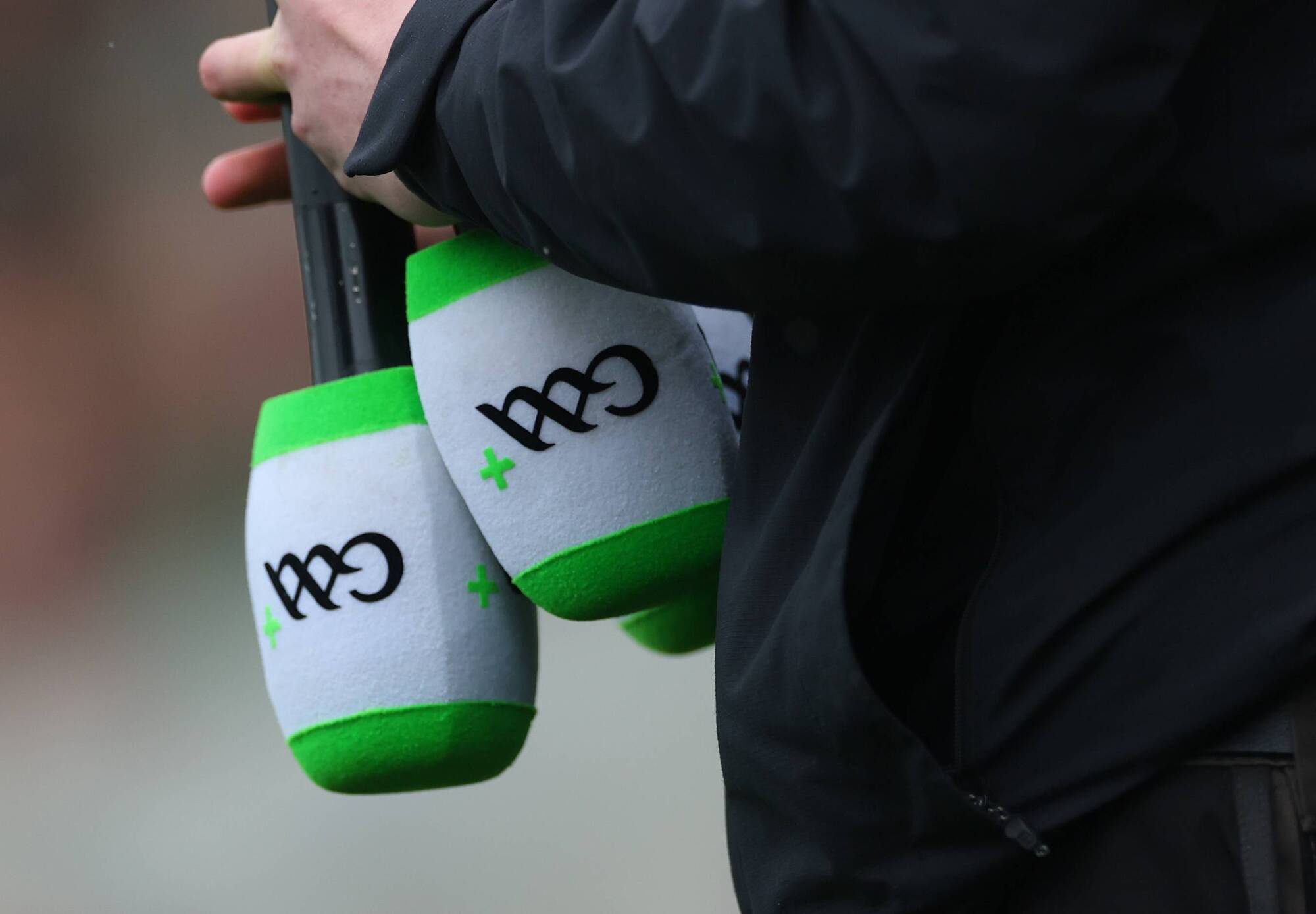
Munster GAA Senior Hurling Championship Round 1, FBD Semple Stadium, Thurles, Tipperary 20/4/2025 Tipperary vs Limerick A view GAA+ microphones Mandatory Credit ©INPHO/James Crombie

It’s a staple question in English lit exams: give the counter argument to the opening line – all happy families are alike; each unhappy family is unhappy in its own way – of Tolstoy’s Anna Karenina. Did Tolstoy get in wrong? Isn’t the opposite more credible: happy families are happy for all sorts of different reasons, but unhappy families have a lot in common (financial strain, parental strife, addiction, etc)?
As sporting bodies, the AFL and GAA share a lot of happy attributes but as of late, they also have some unhappiness in common. While they are played enthusiastically by pockets of diaspora around the world, neither organisation has any meaningful international presence unless, of course, they play each other.
As indigenous sports, they are deeply entrenched in their home territory. Those who play the games, who volunteer and coach it, feel a deep bond to it. They will not be dismissed as “stakeholders”. They do not see their games as a “product”. Rugby, soccer, athletics fans etc are as passionate about their sports but they would never say that they own it. GAA and AFL fans never doubt that they do.
Read More
And for those who run such organisations, that connection is both a strength and a vulnerability. If GAA or AFL HQ gets it wrong, or appears to have taken supporters for granted, they’ll quickly get to know all about it.
In Australia, there is a feeling that the AFL has become overly corporate, media reactive and distant from supporters. The most recent official survey found that AFL fans feel that it is prioritising profit and “short-term financial gain over accessibility, tradition, and match-day atmosphere…and…that this approach undermines their long-term connection to the game.”
Some of the reasons for AFL fans’ dissatisfaction do not translate to the GAA. AFL fans are not happy with the saturation of their stadiums with gambling advertising (long since rejected by the GAA) and the dynamic pricing of tickets. But one area of unhappiness common to both relates to broadcasting rights.
Under a new deal, the AFL sold the rights to Saturday night football – traditionally a free-to air, family-friendly fixture featuring the tie of the round – to a subscription service. To compensate, they expanded the number of free-to-air Thursday night matches but it being a school night and with games finishing relatively late, this has not been popular.
The GAA is mired in a similar debate about the priority of games given to the GAA+ service. Why, as Anthony Daly pointed out this week, wasn’t the meeting of Tipp and Clare (All Ireland champions in 2024 and 2025) not free to air? That debate is for another day, and there is no doubt that the overall price of the GAA+ package is good, but going behind a paywall to such an extent has a bit of a corporate stakeholder-y vibe to it that GAA supporters despise.
The GAA’s strategy here is similar to other sports globally – an annual subscription pass to games with options for individual game and day passes – but subscriber services have their limits and offering games on a GAA-specific free-to-air channel (subsidised by advertising) might have to be considered.
In all of this, there is what might be called the hurling paradox. As pundits such as Dónal Óg, John Mullane and the Holy Trinity on Dalo’s pod have argued, because hurling has fewer championship games than football, it needs to be shown even more.
Ironically, the hurling league, Division 1A at least, gets great coverage via TG4 but the argument is that the championship with only 4/5 provincial rounds and 4/5 games in the All-Ireland series, needs more sunlight.
One idea hurling could borrow from the AFL might give its leading teams – and Waterford’s Peter Queally has made this point well – more opportunities to play beyond mid-May (not so long ago the Munster championship hadn’t even started by then) and into the All-Ireland series.
The AFL men’s competition currently has 18 teams. Traditionally, at the end of the league stage, the top eight qualified for the finals or playoffs. The AFL felt however that towards the end of the season with over half the teams out of contention, this was leading to dead rubbers. This year they have expanded the number of teams that can qualify for finals to 10. The way the AFL runs the top 10 playoffs might address the GAA’s “Queally conundrum”.
The hurling season could run as follows – league as is (slightly condensed); Munster and Leinster championship as is; all five in Munster go into the All-Ireland series, as do the top five in Leinster.
Currently, the bottom team in Leinster is relegated. Whether this yo-yo system should remain is again a matter of debate but one thing worth considering is giving the Joe MacDonagh winners all 5 games at home in the Leinster championship. It might give them a better chance of surviving and at least an opportunity to promote the game with Kilkenny, Galway etc coming to town.
That’s a digression, let’s get back to the Queally conundrum. Adapting the AFL playoff system and using current standings in Munster and Leinster as a guide, Cork (as Munster champions and with a home fixture) play Leinster runners up Galway; Dublin (as Leinster champions) play Munster runners up Limerick in Dublin. The winners go straight into the All-Ireland semi-finals; the losers go into the quarter finals.
At the bottom, Tipp, fourth in Munster, play fifth placed Wexford from Leinster; Offaly to play Waterford. The winners of that round would then play the third team in the provincials (Clare and Kilkenny) and the winners of that would be in the quarter finals.
As a system it is not dissimilar to how the final stages of the Sam Maguire now run, but it also rewards the provincial finalists with a double chance and keeps other involved for longer though it, rightly, makes it harder for them to progress. And most importantly it gives hurling, at the better time of year, more exposure – televised or otherwise.
Hurling borrowing an idea from the AFL is one thing, the bigger issue for the GAA is that in Gaelic football (male and female) the AFL is borrowing its players. Mayo’s Oisín Mullin is getting rave reviews for his form at Geelong. The extent of Irish involvement in the women’s competition has been put front and centre by an Ireland v Australia game scheduled for August (and not as an international rules series but under Aussie rules) to mark the beginning of the 2026 AFLW season.
The number of Irish involved in the AFLW is a credit to the players involved; their talent, adaptability, skill and athleticism, and to the coaches, clubs and counties at home who helped them along the way. You cannot begrudge them a stint at professionalism. But be careful of the plámas coming from the AFL and media pundits such as Eddie Maguire who are promoting a future in which a team made up entirely of Irish players would formally compete in the AFLW. To return to paraphrasing Tolstoy, such a sporting marriage would not be one of love but of calculation.