West Indies build again after days of empire
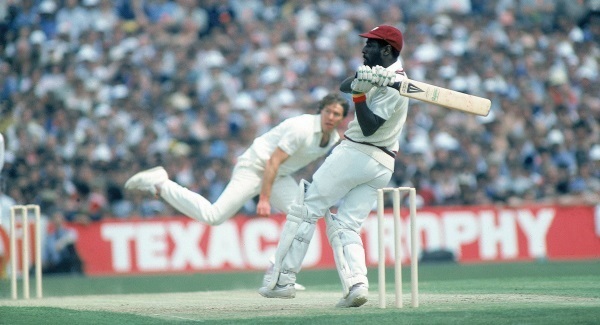
There was a time when the Arctic tundra of Finland, not the plains of East Africa, served as the breeding ground for the worldâs best distance runners and itâs only a generation or so since the West Indies were the dominant force in world cricket.
Things change. Empires vanish into the dust.
When Irelandâs cricketers turn up at the Old Hararians ground in Zimbabwe for their third World Cup qualifier inside eight days tomorrow morning, it will be the men from the Caribbean inhabiting the opposite changing room.
Thatâs a frightening spiral in fortunes for a side that once shocked and awed the planet.
Youâll hear many make the claim that the West Indies side that rose to power in the 1970s and laid waste to the 80s was the finest ever seen in any sport. For almost two decades they reigned supreme.
They changed the way cricket was played, how it was watched and they lifted the spirits of an entire region with it.
That story has been told brilliantly in recent years by the Stevan Riley film Fire in Babylon and by the book of the same name from Simon Lister. Replete with the testimonies of the men at its heart â the Clive Lloyds and the Viv Richards of this world â it is the input of ordinary Caribbeans that capture just what this team meant.
Martin Adrien arrived in England from the island of Dominica as an 11-year old in the early 1970s.
He was joining his father who had been living and working in London since 1959 before, more than a decade later, being able to send for Martin and his sister. Britain was grey and cold and racism was far more overt then than it is now.
West Indians got down to work, eking out lives and livelihoods in all manner of sectors in a society that was alien to them and one where, judging by what you saw on TV or in newspapers, was all but devoid of black people.
So, the sight of Richards taking to the crease in 1976 couldnât help but blow Adrien away.
He was the first man I remember who had a bit of arrogance. His walk was slow, I remember that. âIâm coming, but youâve got to wait for me.â Looking back, I suppose what I was struck by was; here was a man representing the region. His success was the regionâs success. He was scoring runs for the Caribbean. I think for the first time I had seen at close hand a successful West Indian. He was proud. In 1976 that was
dynamic and a little bit disturbing.[/quote]
That ability to drop jaws hadnât dissipated by 1984.
The buzz around our corner of the Irish midlands back then was the imminent end to âTwo-channel Landâ.
As chance would have it, the British channels first popped up on our screens smack bang in the middle of the Los Angeles Olympics and the Beeb happened to be beaming out pictures of a West Indies team laying waste to Englandâs cricket grounds, too.
John Treacy, Daley Thompson, and Mary Decker provided drama but the West Indies were the real stars of that summer, becoming the first side to record a 5-0 Test series whitewash in the home of the gameâs founders. It was arguably the height of their powers but they would be required viewing for many more summers to come.
And so to Harare tomorrow.
There have been 11 World Cups and the West Indies were automatic picks every time.
They even reached the quarter-finals in 2015. Now they are reduced to scrambling for a ticket. Former captain Darren Sammy has described it as their
âlowest pointâ and thereâs no shortage of competition in that particular race to the bottom.
Just eight wins in their last 42 ODIs (one-day internationals) tells only one chapter of the story. Players and administrators have been butting heads for years now over contracts. Money is a major bone of contention, given the temptation that is the various T20 leagues around the world which has been turning so many heads.
The impasses have resulted in the Windies taking to the crease without the likes of Chris Gayle, Kieron Pollard, and Dwayne Bravo and, in 2014, the disputes escalated with the players pulling out of their tour to India midway through. Other issues abound, including the ever-increasing popularity of soccer and US sports.
Still, the great sides of the past succeeded in spite of their administrators rather than because of them and there remain enough seeds of hope to suggest that all is not lost. The menâs side are the reigning T20 world champions and they were surprisingly competitive in a Test series in England last summer.
Their ODI record remains an anchor to progress. And hope. The last Champions Trophy, an elite ODI tournament reserved for the worldâs best eight teams, passed off without them and they are one of 10 sides in Zimbabwe right now looking to claim just two berths open for next yearâs World Cup in England.
âItâs about time we win another World Cup,â said their captain Jason Holder recently.
First things first.