Women’s sport in spotlight for wrong reasons
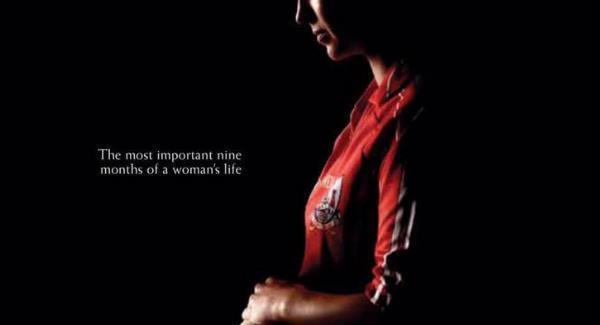
The Camogie Association and Ladies Gaelic Football Association had only just dusted themselves off after the shambles that saw Briege Corkery, Rena Buckley and Méabh Cahalane play two games in one day a few weeks ago when it appeared that another potential clash was looming on the horizon next month.
We then had the embarrassment of a coin toss potentially deciding whether Dublin or Clare would advance to the quarter-final of the All-Ireland senior camogie championship.
The defence offered â that the rule was in place months ago and had been put in place correctly â doesnât stand up to much scrutiny; in fact, it has all the hallmarks of one of the less admirable aspects of Irish administration â in general and not just sport â the suggestion that if one doesnât ask the right question at the right time then itâs just tough luck. In general terms thereâs a feelgood factor now about womenâs sport, driven by the success of the likes of Katie Taylor and others.
But with that feelgood factor comes scrutiny, and errors which might have slipped under the radar in times past are foregrounded and criticised accordingly. That holds here, and it holds across the gender divide.
When Croke Park sent notification of a (menâs) intercounty suspension to the incorrect e-mail address recently, resulting in that player missing out on the chance to appeal his suspension, they were rightly criticised. The same standards have to apply to coverage of womenâs sport.
Those standards can co-exist with an awareness of whatâs appropriate, obviously. Last week there was a storm of protest â well, a choppy swell, really, given it almost all played on Twitter â over an image from a TG4 advertising campaign showing a ladies football player holding a football as though she were pregnant.

Those loudest in their condemnation were left looking a little foolish when it emerged that this image was an option considered a few years ago before being rejected. In the planning and strategising stage of a campaign everything is on the table before the wrong options are weeded out, though likely thatâs too sensible a viewpoint for some.
To see true sexism in action, not to mention stupidity, try the Ulster GAA Poc Fada competition in which the male winner won a holiday and the female winner got a medal.
The embarrassing efforts to explain away the disparity, that the Ulster Council had nothing to do with the prizes, that it was all down to Croke Park, etc, were bad enough, but it was also illuminating to read what CiarĂĄn Kearney, who used to work for Ulster Camogie, had to say about the BBCâs reporting of the matter.
When Kearney had tried to interest the BBC in covering camogie in the province a producer had told him they wouldnât be interested unless the sisters of famous Gaelic footballers were involved. Kearney asked the producer, a woman, if she felt that was sexist; the producer said there would be no coverage.
Finally, to just swing to the very far spectrum of enlightedness, consider the comments reported last week from boxer Billy Joe Saunders, whoâs due to fight Andy Lee soon. Billy Joeâs views on women would likely make a Neanderthal wince â to quote Jerry Maguire, the feeling when you can see what tomorrowâs embarrassment will be like â and we wonât repeat them here.
Suffice to say that by insulting national treasure Katie Taylor he made his task against Lee all the harder. If Saunders was trying to drum up publicity he failed utterly.
If he was trying to shine a light on attitudes which have still to be eradicated, he succeeded admirably.
World Cup draw brings blast from the past

The World Cup draw the other evening was one of those instances where a picture is truly worth a thousand words. Vladimir Putin and Sepp Blatter would occupy many a nightmare.
Thumbs up from this viewer, though, for producing Renat Dasaev. Though we remember him nowadays for landing on his backside as Ronnie Whelan clobbered in that great goal in the 1988 European Championships, the long-limbed keeper with the big knee pads was one of the bright spots of watching big tournaments of the time.
If it appeared that he was hiding one of those knee pads on an oddly frozen haircut, that was a small price to pay for a quick glance back to 27 years ago.
Tour is saddled with ambiguity

Did you watch the Tour de France? I donât ask because I want to revisit the glory days when we all took an interest and liked to bandy around words like âclassementâ in a Waterford accent to sound like Sean Kelly, a kind of Reeling-In-The-Years in print, but I have to say I sympathise with the British public as they wrestle with their feelings for the race.
Lance Armstrongâs long, slow fall into disgrace is one thing â the American was always so difficult to love, despite the cameo in Dodgeball, that his unmasking as a cheat actually came as an odd relief.
You could dislike him with a clear conscience then.
The prominence of Team Sky and Chris Froome in this yearâs Tour, however, means that citizens across the water are faced with an interesting philosophical question â can they glory in an athlete who succeeds in a sport which is dismissed by many as rotten?
The situation has reached an absurd pitch when the team principal, Dave Brailsford, has gone on the record to say that he understands why people would ask if they can believe in Froome.
The wider context to Brailsfordâs comments is a plea to cyclingâs governing body, the UCI, to put outside experts in each cycling team to ensure its cyclists are clean.
However, Froome is on the record as saying during this yearâs Tour that âThis isnât the Wild West that it was 10, 15 years ago.â If so, then why would Brailsford plead for outside experts?
More to the point, if cycling is clean now, well, wouldnât more people believe in Chris Froome?
Tweeting umpire could get attention

Before departing from the world of Cork and Kerry football and the misunderstandings that arise therein, Iâd like to mention one last issue. Was that really one of the umpires in the replay tweeting last week about Kerry players not seeking to influence proceedings?
Given the GAAâs crackdown on, for instance, Anthony Masterson for having views on officiating, expect to see a bit of attention paid to this matter.