From Chill to Thrill: a summer of change for Cork
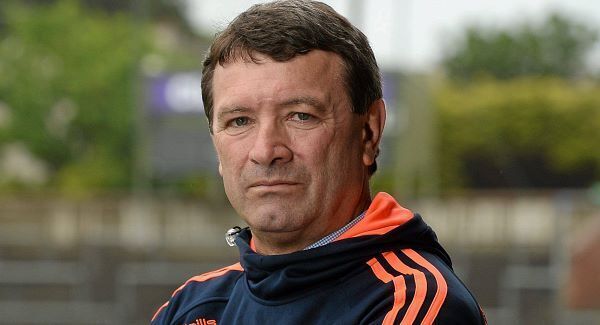
After Cork beat Kilkenny in the All-Ireland quarter-final last month, manager Jimmy Barry-Murphy eventually made his way to the tunnel leading to the Semple Stadium dressing-rooms.

From Chill to Thrill: a summer of change for Cork

Supporters in red and white were hanging over the walls calling him by name, and when the Cork manager saluted them with a raised fist, they went wild. Why not? A couple of months ago Cork were in the doldrums, relegated and rudderless. Next Sunday they play in an All-Ireland final and a ticket for that game is as rare on Leeside as a banker’s tear.

On the face of it the turnaround looks dramatic. Take a step back and it looks little short of miraculous. After Cork lost the relegation play-off to Clare in extra time, the statistics made for grim reading: the Banner had created 53 scoring chances in 90 minutes and had converted 31 of those: more than one every three minutes.


Cork were without the following players for the 2013 season for a variety of reasons: Dónal Óg Cusack, Eoin Cadogan, Damien Cahalane, Seán Óg Ó hAilpín, John Gardiner, Darren Sweetnam and Niall McCarthy, while fans were still casting envious glances at the likes of Aidan Walsh, Ciarán Sheehan and Colm O’Neill on the Rebel football panel.

A week or so after the league play-off Paudie O’Sullivan suffered a horrific leg break in a club game and was ruled out for the season. Not long after Cork’s first championship game they lost Brian Murphy to a broken collarbone, sidelining their best defender for most of the summer.

With that kind of background, then, how have Cork reached an All-Ireland final?

For one thing, they weren’t that far away last year. Galway beat the Leesiders by five points in the semi-final before taking Kilkenny to a replay in the decider. Cork were destroyed in the league final by the Cats, but making the last four in the championship and contesting the league decider offered a decent platform for 2013.

For another, there isn’t a team that has dominated the season compared to other years. Specifically, Kilkenny have not dominated the season, as evidenced by the turn- and turn-about of results.

Clare beat Cork in the league play-off but Cork beat Clare in the championship; Limerick beat Cork in the Munster final but Clare beat Limerick in the semi-final; Dublin beat Galway and Kilkenny but Cork beat Dublin and so forth. (The above paragraph is delicately phrased for a reason: Kilkenny’s relative decline may have encouraged the others, but that doesn’t devalue the championship. If you subscribe to that logic there hasn’t been a title worth winning since the Tipp team of the 60s hung it up. Or the Wexford side from the 50s. Or the Cork team of the 40s.)

Cork have also tapered their fitness approach. Following the defeat to Clare in April the men in red had to wait for 10 weeks until they took the field again, and trainer Dave Matthews focused on that period to build the players’ fitness, pointing to a block of six weeks in particular as being vital in fine-tuning the team.

Matthews spoke about improving the team’s strength in that period but it’s the pace of the Cork side which has caught the attention of most observers. Given Clare’s youthful energy it’s hardly surprising that the two teams who’d be regarded as the quickest in the championship have survived the hottest summer of the last 20 years to make it to the big show in September.

In addition, have Cork been lucky with sendings-off this summer? Your opinion on same probably depends on whether or not you plan on wearing red and white next weekend.

Cork have benefited from two red cards, in the Kilkenny and Dublin games, and while the Leesiders were ascendant before Henry Shefflin was sent off in the Kilkenny game, they were under pressure when Ryan O’Dwyer got the road for Dublin.

Against that they had Patrick Horgan sent off with the Munster final against Limerick. Cork have the experience of dealing with an extra man not once, but twice in this year’s championship, and have done so extremely well.

On the other hand, they struggled when down to 14 men.

You could argue that Cork were lucky to lose the Limerick game when they still had the back-door option open to them, which wasn’t the case for Kilkenny and Dublin. You could also argue the injuries to O’Sullivan and Murphy (though the latter is fit for Sunday) balance that break out.

Finally, there is the Jimmy Barry-Murphy factor.

When Denis Walsh stepped down a couple of years ago this newspaper pointed out that only one man could be seen as having the charisma and the standing to pull the disparate camps in Cork GAA together. Jimmy Barry-Murphy was appointed soon afterwards and Cork are now back in an All-Ireland hurling final.

The iconic St Finbarr’s man last played championship for Cork in 1986, which is the early Jurassic period for most of the youngsters on his current team, but that hardly matters. Barry-Murphy’s status in Cork means having him in the dressing-room is like having Odin giving out the jerseys, or Zeus filling out the team sheet.

Clare’s searing display against Limerick in last month’s semi-final may make them favourites among neutral observers, but Barry-Murphy has brought a team from nowhere to All-Ireland glory before. Given the way the year has gone, will he be saluting Cork supporters again next Sunday?

This article appeared in the Examiner's All-Ireland Hurling Final supplement on Saturday September 7.

More in this section

Sport

Newsletter

Latest news from the world of sport, along with the best in opinion from our outstanding team of sports writers. and reporters

Cookie Policy Privacy Policy Brand Safety FAQ Help Contact Us Terms and Conditions

© Examiner Echo Group Limited