'You don't have to know it all straight away — take advice, learn on the job'
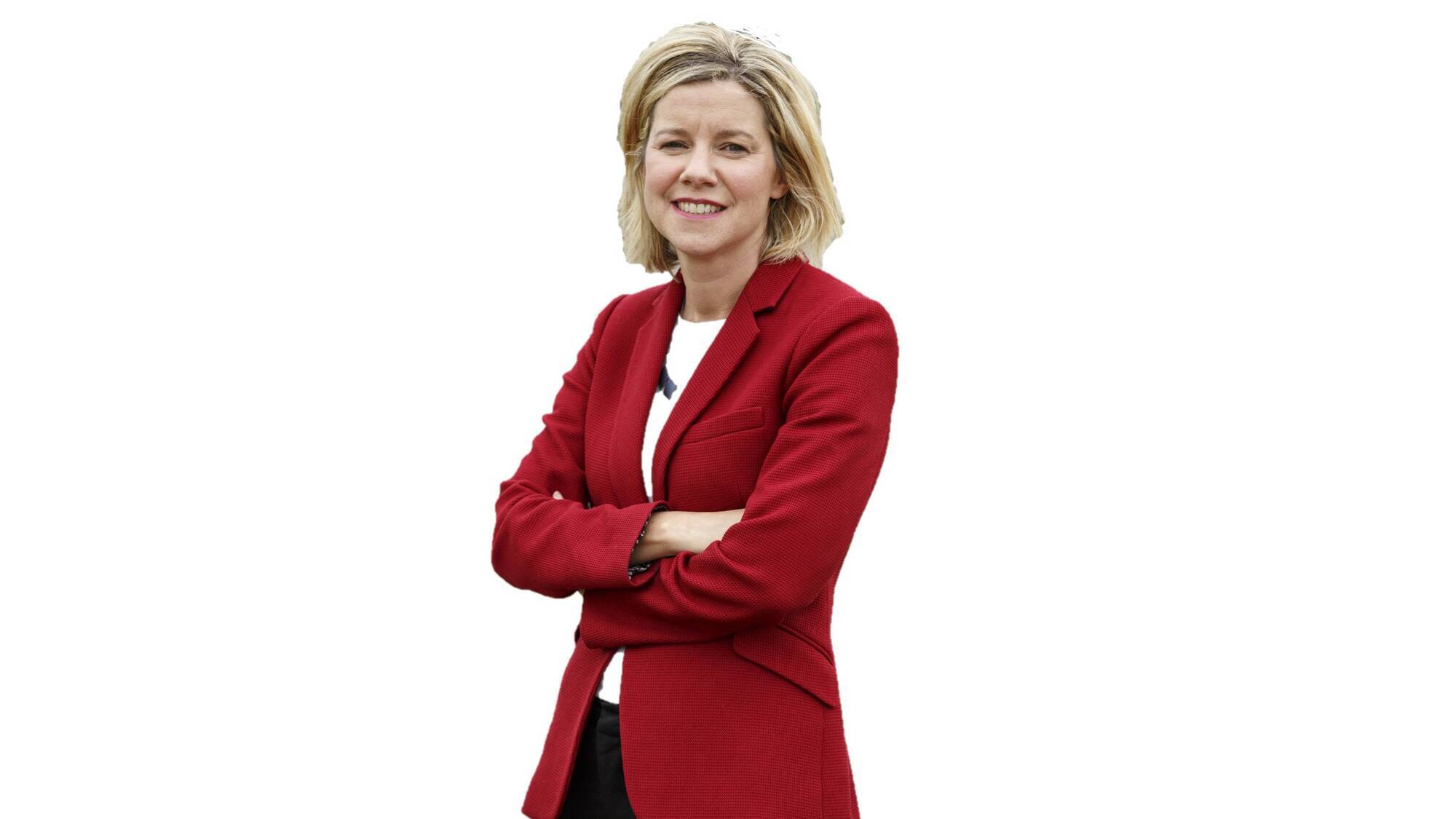
"Covid gave us confidence to do things we never thought we would do, the confidence to try new things," says Professor Thia Hennessy of Cork University Business School.
DELOITTE LEADERSHIP SERIES: Professor Thia Hennessy, Dean, Cork University Business School
Leadership is more than just the central aim of providing guidance and direction, Professor Thia Hennessy believes, but is also giving people the space to lead themselves.
“It’s about developing others to fulfil their own potential. One of the things that’s interesting about leadership in a university context is that most positions are termed appointments, and so you always are aware of the fact that you’re not going to be here forever. While you will have your goals and objectives, it is also about allowing other people to develop.”
While recent years have seen unprecedented challenges, guiding the objectives of CUBS remains central to the ambitions of her tenure.
“There is no doubt that recent years have been a disruptive period in dealing with the many challenges brought on by the pandemic, but leadership is not just about keeping the operational parts intact and resilient, but also in maintaining that overall strategic vision intact.”
Prior to joining UCC in September 2016, Professor Hennessy was employed for an extended period at Teagasc, the Agriculture and Food Development Authority, where she managed the agricultural and environmental economic research programme. Her brief included responsibility for the Teagasc National Farm Survey which produces the official national farming statistics, in addition to membership of the European Commission’s Farm Accountancy Data Network.
In her current role as Dean of CUBS, her research interests include the sustainable development of the agri-food sector with a particular interest in the impact of public policy on the farm sector. She has published widely in both academic literature and mainstream media.
As UCC and Ireland itself slowly emerges from the ‘black swan’ event of Covid-19, the definition of leadership has changed as a result of this unprecedented experience, she believes.
“The pandemic did impact on leadership in different ways. On the positive side, people did engage more in communications sessions and information events, tuning in from wherever they were, using the chat function and perhaps giving more feedback than they normally would.
"In many ways, the virtual office gave people a kind of safety to communicate things like they might not have previously done. Initially though, those virtual online gatherings were challenging, and I certainly missed the physical presence of everybody being together — it was difficult to have personal interaction in an online setting.”
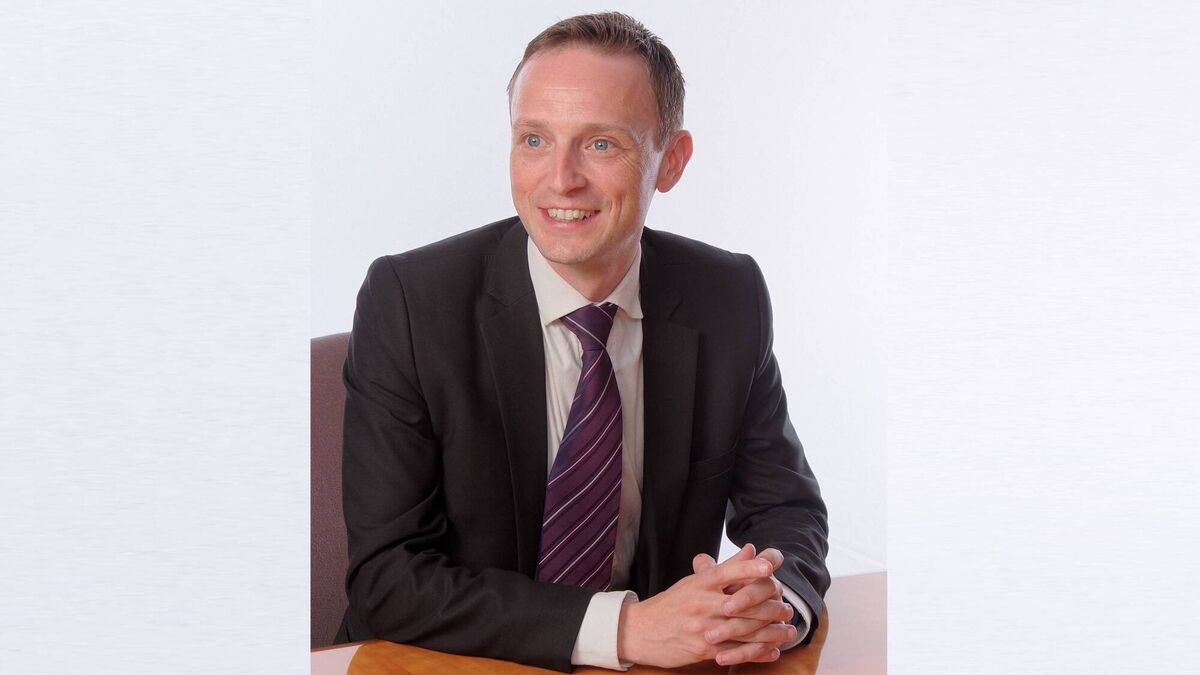
As the mother of a young family, Professor Hennessy appreciated the daily domestic challenges brought about by Covid that people had to contend with. While the necessity of operating in the virtual world during Covid had its merits, Kevin suggested that maintaining the important sense of belonging within organisations is an element “we work really hard not to lose” coming out the other side of the pandemic.
After a two-year period where the UCC campus went from fully home working to a hybrid schedule, Professor Hennessy remarks on how transformed the last six weeks have been with the return of students to normal university life:
“We had almost forgotten what it was like to have young people all around campus, with their enthusiasm, excitement and diversity. After two years of talking to video screens, the sense of engagement is infectious, bringing everybody with it. This return to normal has reminded us of the purpose of a university and what it’s all about.”
Similar to the many commercial organisations that, out of Covid necessity, had to make brave changes into uncharted operational waters, UCC found the word ‘resilience’ becoming a central driver in the lexicon of survival.
“In fact, Covid gave us confidence to do things we never thought we would do, the confidence to try new things. And through it all, we recruited and graduated more students than ever before — despite the biggest disruption anyone could ever imagine. All of that has contributed to our resilience, both as an organisation and also on a personal level.”
In May, CUBS and IMI at UCC obtained a prestigious global accreditation from the Association to Advance Collegiate Schools of Business, placing it among the world’s leading business schools. This is now added to by the Association of MBAs, making CUBS a double accredited Business School, of which there are fewer than 200 worldwide.
“Delivering on that major strategic ambition despite the challenges of Covid gave us great confidence, and trickled down to everybody in the school as well.”
Kevin underlined the point that many organisations have not fully absorbed just how much they achieved through Covid — how the sense of trust and common purpose engendered within workforces resulted in targets consistently being reached, regardless of the challenging circumstances forced upon them.
Looking to the near future, Professor Hennessy remains focused on those key ambitions geared to take CUBS into a global orbit, acknowledged amongst the elite of the world’s business schools.
“Triple accreditation will put us in the top 100 globally, so with two already in hand, we have applied for the third one — a two-year process by which time this major ambition will hopefully be realised.”
With a current intake of 800 post-graduate students, and 400 international students, CUBS will aim to increase that number to 1000 in the coming years. Looming large over the current ongoing activity is the plan to open a Business School in Cork city centre. Having already acquired the the intersection of South Terrace and Copley Street previously, the 1.46 acre Brooks Haughton builders’ yard, it will accommodate 200 staff and 500 students.
“Plans have been drawn up and will shortly be submitted for planning permission, and we would hope to open this new campus in 2026. The ultimate impact of this will be to graduate students and set them off on their careers, as well as being part of the talent pipeline for the Cork and Munster region. Another outcome of this is that many businesses, including Deloitte, have reached out to partner with us, which is another measure of the success of CUBS.”
Kevin then poses the question of legacy, and what Professor Hennessy would like to be remembered for when her tenure comes to an end. “It would be very much about seeing the physical structure of the new business school become a reality, and also achieve the triple accreditation to put us in the top 100 globally.”
As to her advice for the aspiring academic and commercial leaders of tomorrow, she is succinct: “Just do it. Take advice, learn on the job and don’t feel you have to know it all straight away. Don’t be afraid to be wrong because you will discover we are all only human in the end.”
here.