Calm before the storm
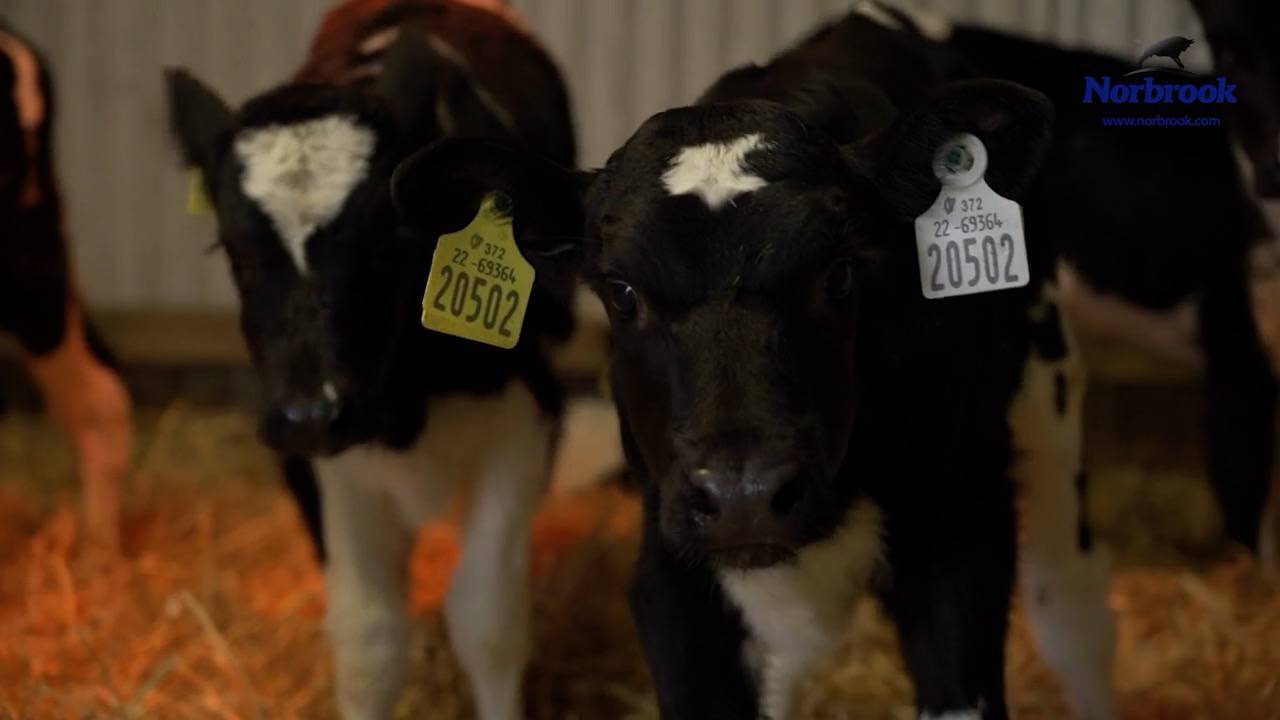
Planning for spring: Newborn calves require natural maternal colostrum in the first 12 hours to get an essential mix of energy and antibodies. Calves facing early challenges may need extra. Seek expert advice.
HERD HEALTH SERIES: Maura Langan, veterinary adviser with Norbrook.

With cattle safely housed and Christmas just around the corner, farmers are enjoying a few weeks of rest and relaxation! Now is the time to think ahead and make plans for the busy calving season.
Preparing to welcome the next generation of calves is an exciting time and many farmers are already starting to get ready for a busy spring.
Calves are born with low energy reserves, poorly developed immunity and a sterile gut and are highly vulnerable to cold and external pathogens. In the weeks following birth, the gut microbiota continues to develop and helps build immunity to potential infections, especially those causing scour or respiratory disease. Challenges in early life, such as cold, poor hygiene and bacterial infection can impact this development and affect mortality and future health outcomes.
Newborn calves require natural maternal colostrum in the first 12 hours to get an essential mix of energy and antibodies. Calves facing early challenges, whether from insufficient maternal colostrum, a difficult birth or environmental conditions, may need extra.
For example, a 35kg Holstein Friesian calf needs around 3 litres in the first 12 hours but sometimes this need is not met, and additional colostrum is required to ensure a full first feed. In cases of a cow calving early, limited maternal supply, or if the calf is unable or unwilling to stand long enough, it may be appropriate to supplement natural maternal colostrum with a commercial colostrum.
There may also be times on farm where a complete lack of maternal colostrum or inability to access maternal colostrum means it’s necessary to completely substitute that first feed. Large, sleepy, weak calves that are unable to stand to suckle, often following an assisted birth, may need immediate intervention with a replacement colostrum. If a cow is showing signs of distress and not allowing the calf to suckle then in the interests of farm / operator safety, the first feed should be substituted.
Provita Colostrum contains high-quality, EU-sourced, certified disease-free bovine colostrum that is high in energy and naturally rich in essential IgG antibodies to boost passive immunity. It also contains a unique mix of egg proteins from hyper-immunised hens, probiotics and vitamins and minerals to further support gut development and longer-term immunity.
Many farms will harvest colostrum and stomach tube where necessary. Particular attention should be paid to hygiene and storage as colostrum provides a perfect breeding ground for pathogens. Colostrum should be refrigerated or frozen, then warmed prior to administration. Wash and sterilise buckets and feeder bags. Now may be a good time to order some new ones, ready for the new season.
Of course, even with good colostrum management in the best-run farms calves are vulnerable to scour in the first weeks of life. External pathogens such as parasites (cryptosporidia, coccidia), viruses (rotavirus, coronavirus) and bacterial (salmonella, E. coli) are present on nearly all farms and are common causes of scour in young calves. These infectious agents cause damage to the immature lining of the gut and prevent effective liquid absorption leading to dehydration.
Oral rehydration therapy (ORT) is the single most important measure to be carried out to help correct the dehydration, acidosis and electrolyte imbalance that occurs in scouring calves. A good quality ORT powder sachet like Life Aid Xtra should be administered mixed in 2 litres of water, twice a day while continuing with normal milk feeds. Always mix the solution fresh every time and use clean buckets and whisks to prevent the spread of disease.
It is deemed best practice to use both ORT and non-steroidal anti-inflammatories (NSAIDs) together when treating neo-natal scour. One such NSAID, meloxicam, is available on veterinary prescription for use in calves over one week of age – a single injection (1ml/40kg) when administered in combination with ORT helps reduce the clinical signs of diarrhoea.
Now is a good time to think ahead to the coming months, stock up where possible and have a chat with your vet about the best way to manage calf health on your farm. And until then, enjoy a happy and peaceful festive period with family and friends.
Visit for more information.