Top tips to protect Ireland's plant health
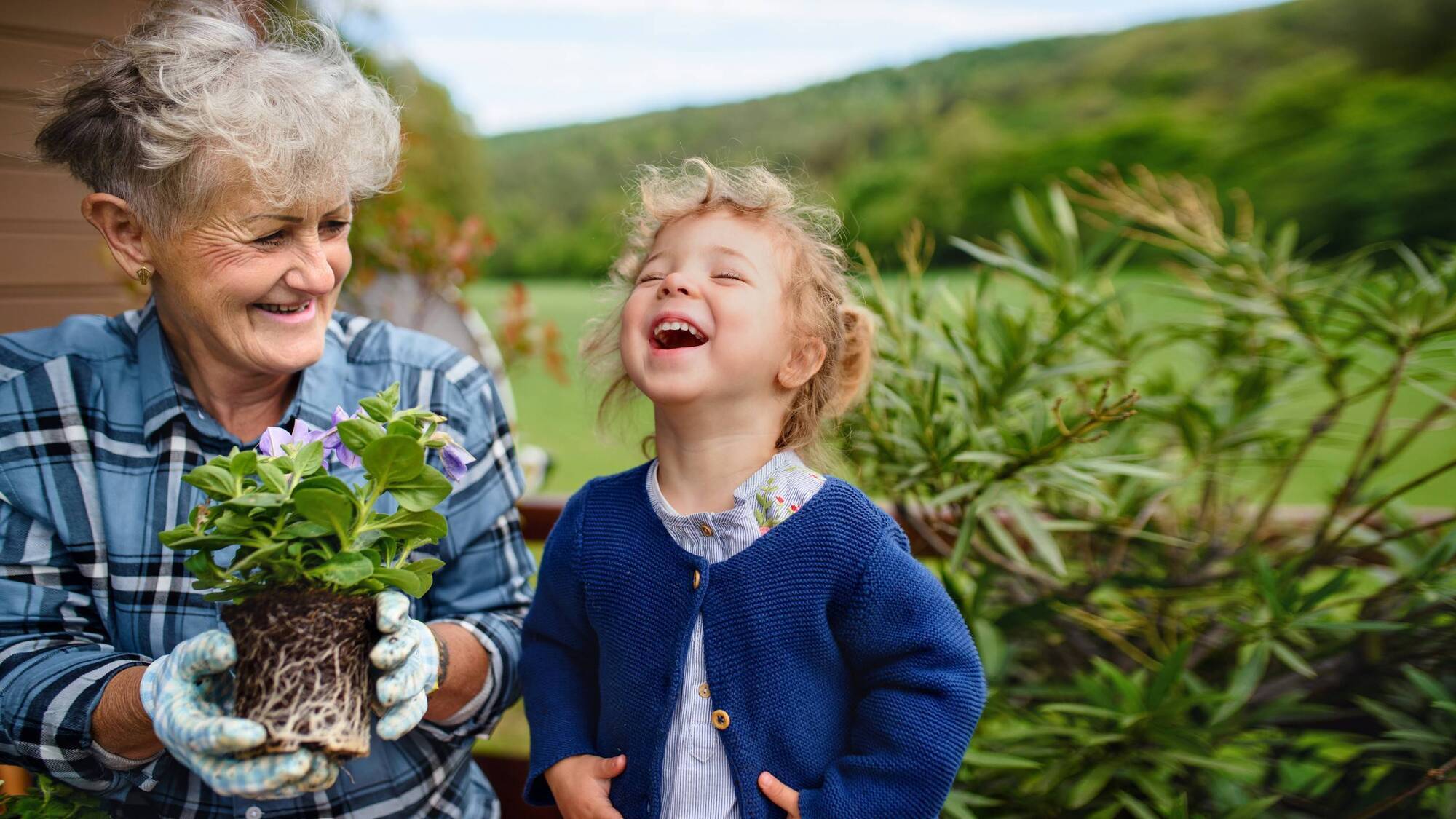
Teaching children about the importance of plant health and the environment as part of the #PlantHealth4Life campaign can be fun, making them aware of the role they can play in preserving our planet.
As plant pests and diseases threaten food production, biodiversity, and Ireland’s natural landscapes, a major EU-wide campaign is urging people to take simple steps that make a real difference.Â
Ireland is part of the #PlantHealth4Life initiative — now in its third year — which is all about empowering citizens to become active plant health ambassadors.Â
The #PlantHealth4Life campaign is led by the European Food Safety Authority (EFSA) and the European Commission (EC), with support in Ireland from the Department of Agriculture, Food & the Marine.
- Avoid bringing plants home from abroad: When travelling abroad, refrain from bringing any plants, seeds, or plant products home into Ireland and the EU, as they could harbour pests that threaten our local plant health.
- Check requirements before travelling: Before heading on holiday, ensure you understand the regulations regarding plants and plant products in your destination. Even seemingly harmless items like an apple could carry pests.
- Choose suitable plants: Select plants that are well-suited to your garden’s conditions to minimise stress and ensure they thrive naturally.
- Regular pest control: Vigilantly monitor your garden for pests and diseases. Utilise resources like the European and Mediterranean Plant Protection Organisation (EPPO)’s Global database to identify and manage them effectively.
- Insist on plant health certificates: When buying plants online from outside the EU, request a plant health certificate (phytosanitary certificate) to confirm they are pest-free.
- Check plant origins: When exchanging plants and seeds with fellow gardeners, inquire about their origin. For plants from outside the EU, ensure they are certified.
- Look for plant passports: When buying plants from a shop or garden centre, check for plant passports, which certify that the plants are free from pests and diseases.
- Integrated pest management (IPM): Adopt IPM strategies to manage pests sustainably, reducing reliance on harmful pesticides and promoting a balanced ecosystem.
- Empower children: Teach children about the importance of plant health and the environment, making them aware of the role they can play in preserving our planet. Sharing interesting facts – you can find some fun ones  here – about plants can spark their interest and foster a lifelong commitment to environmental stewardship.
Speaking on the campaign, garden designer and UN FAO Goodwill Ambassador for Ireland, Diarmuid Gavin, said: “Along with being places of beauty, our gardens are frontline defences in the fight for biodiversity and climate resilience. Every seed we sow responsibly and every pest we spot early is a step toward protecting Ireland’s natural environment. This campaign reminds us that plant health begins at home, and we all have a role to play.”Â
Ms Louise Byrne, Chief Plant Health Officer for Ireland, added: “Protecting plant health is something every person in Ireland can contribute to. People should travel wisely and avoid bringing plants and seeds home from abroad. Practice responsible sourcing of plants with plant passports from reputable operators.Â
"Monitor plants in your garden and in the wider environment for pests and diseases, and if you’ve concerns, email PlantAndPests@agriculture.gov.ie — Empower the next generation by teaching children about the importance of plant health.”Â

Visit www.efsa.europa.eu/en/plh4l and discover how to safeguard plant health.