Ten minutes with Laura O’Halloran, senior clinical psychologist, Enable Ireland
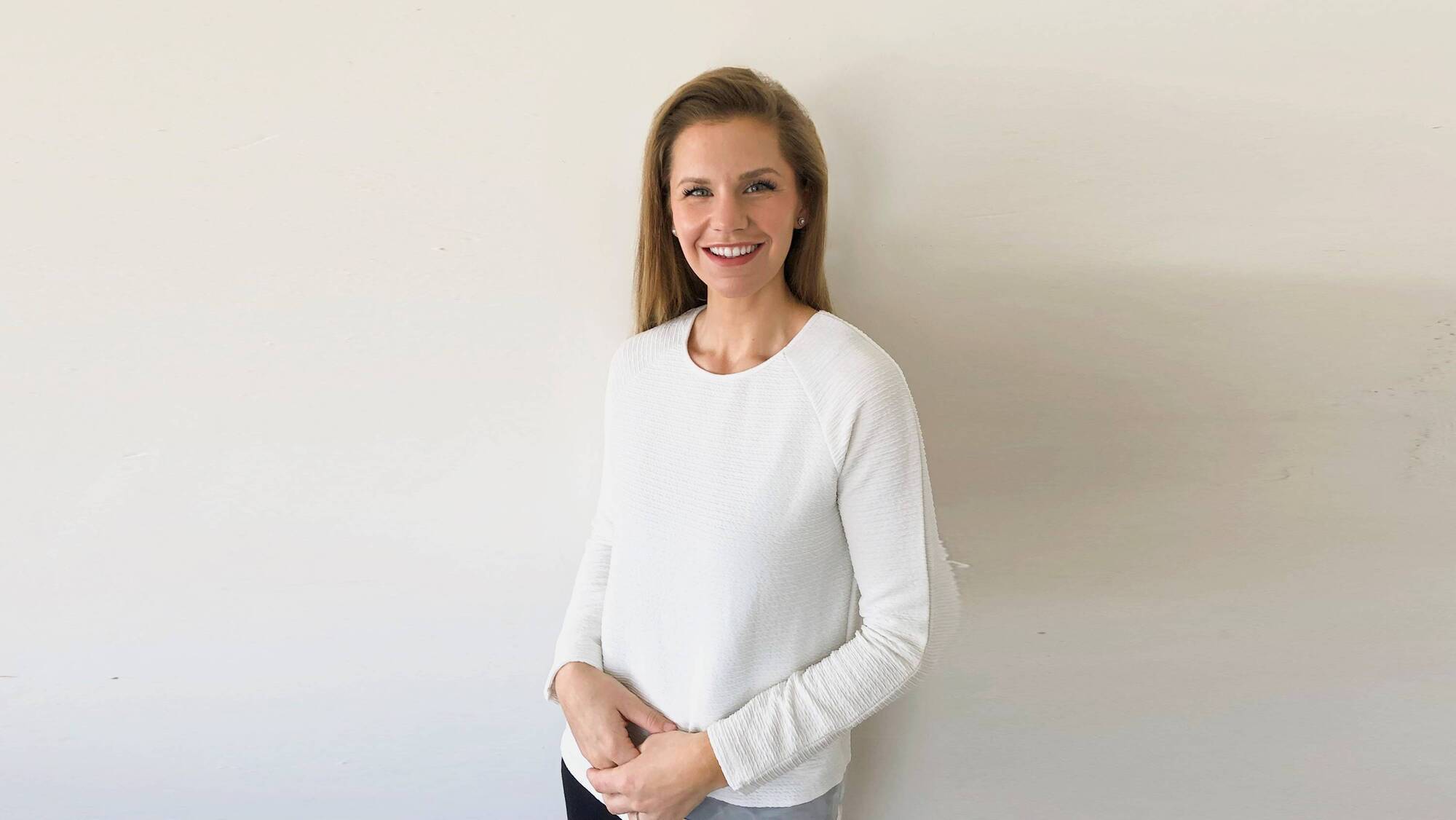
Laura O'Halloran, senior psychologist, Enable Ireland's North Wicklow Children’s Disability Network Team.
Laura O'Halloran is a senior psychologist on the Enable Ireland-led North Wicklow Children’s Disability Network Team.
Laura joined Enable Ireland over two years ago and is based in their Children's Service centre in Bray, Co Wicklow.
I’ve always been drawn to understanding how people think, feel, and develop. Working across different child and disability services gave me a solid grounding in assessment and therapeutic work. The role of senior clinical psychologist with the Children’s Disability Network Team (CDNT) felt like the right next step because it’s holistic and family-centred, and it offered me an opportunity to be involved in shaping how services operate.
From day one, it was clear that psychological thinking is genuinely valued here. Enable Ireland supports ongoing training and encourages people to grow, specialise, and bring new ideas forward. The strong interdisciplinary culture was also a big draw for me – it’s a place where collaboration feels natural and where everyone is working toward the same goal for families. You get to work on a team together with professionals from different fields like occupational therapy, speech and language therapy and physiotherapy.
My work varies day to day, which I really enjoy. The bulk of my work involves doing cognitive and developmental assessments, autism diagnostics, and delivering therapeutic interventions for children and their parents/carers. However, I am also involved in several other interesting projects, like leading waitlist initiatives aimed at supporting and guiding families, delivering psychology clinic consultations, and providing school supports. In 2026, our psychology team have planned for the delivery of some lovely therapeutic offerings, such as Emotion-Focused Skills Training and Attachment workshops for parents, as well as bereavement supports and anxiety-specific interventions for young people attending the CNDT.
Definitely the mix of meaningful clinical work and genuine human connection. No two days look the same – one morning might involve a detailed, complex assessment and the afternoon a therapeutic conversation with a parent. Being alongside families at important moments in their lives is something I never take for granted. The emotional connection with families – and witnessing genuine change – is deeply rewarding.
Supportive, innovative, collaborative.
I feel fortunate to say that I’m proud of my work most days. I don’t tend to measure my career (or my life, for that matter) in big defining moments. I stay grounded and fully present in the work as it’s happening. Showing up consistently and meeting families where they are at is where I place my core value.
Stay grounded in psychological formulation – it will anchor you when things feel complex. And don’t underestimate the power of collaboration; good psychological practice is strengthened by the people around you.
Have confidence in the value of steady, thoughtful clinical work. Not every outcome is immediate, but consistency, formulation-based practice, and strong therapeutic relationships always create movement. To this day, I still tell myself that “I am planting the seed” to support people to live fulfilling and meaningful lives.
Show enthusiasm for neurodevelopmental work, family-centred practice, and multidisciplinary collaboration. Highlight your ability to navigate complexity, think systemically, and innovate. Psychologists thrive here when they are reflective, flexible, creative, and curious.
To work well in this role, you need a blend of grounded clinical skills and steady, people-centred values. At the heart of the job is the ability to stay present with families – to really listen, to sit with uncertainty, and to approach each child without assumption or urgency. I think of it as practising “psychological stillness”: the capacity to be fully here with another person, even in complexity and pain.
You also need strong formulation skills, emotional attunement, and a curiosity about the child’s experience. Compassion, patience, and reflective thinking go a long way in supporting families who may be navigating worry, grief, or adjustment. Collaboration is essential too – being able to work closely with colleagues across disciplines, hold multiple perspectives, and communicate in a way that brings clarity rather than confusion.
Finally, creativity and flexibility are important. CDNT work is evolving, and good psychologists are those who can adapt, innovate, and build pathways that genuinely meet the needs of children and families. It’s a role that asks for both clinical depth and a calm, grounded presence.
Small interventions can create big changes. Whether it’s a sensitive conversation with a parent or developing a new service pathway, psychological influence ripples widely within a CDNT.
Whatever you can get your hands on! I am an avid reader and am always driven by evidence-based practices so staying up-to-date with relevant research and HSE SOPs is important. But don’t forget to nourish your soul with what excites you (for me, on of the books that propelled me into psychology was ‘The Choice’ by Edith Edgar – a very inspiring clinical psychologist and among the last survivors of the Holocaust) Optional – Light-hearted
Extra Strong and frequent!