Dr Phil Kieran: My teenage son can’t handle the heat
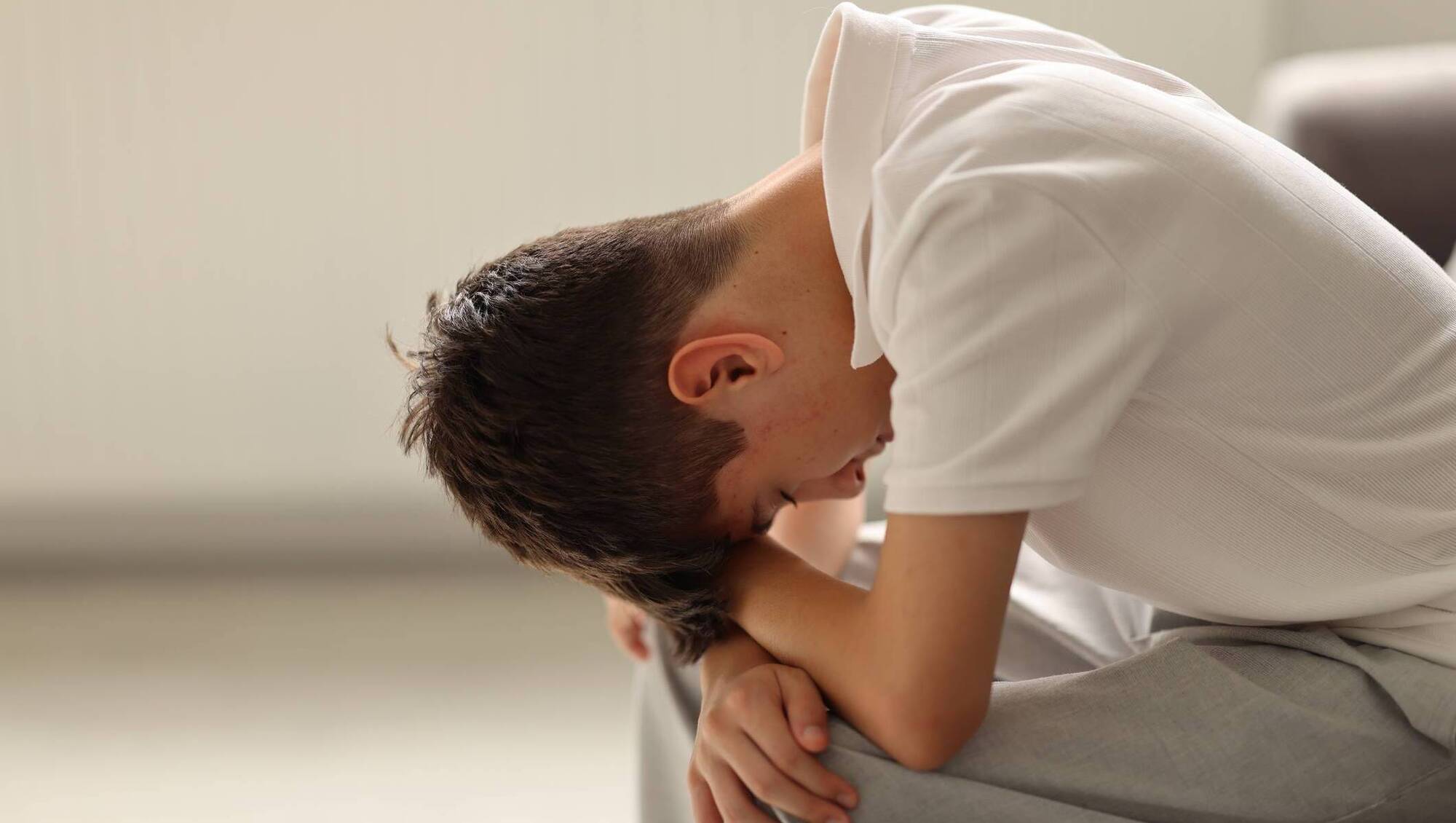
Usually symptoms like these are not too problematic, but if things develop too quickly, it is worth looking at carefully
Dr Phil Kieran: In Ireland, periods of hot weather typically don't last long enough for anything more serious to happen. Picture: iStock 

Dr Phil Kieran: In Ireland, periods of hot weather typically don't last long enough for anything more serious to happen. Picture: iStock 

My 13-year-old is struggling in the hot weather. He is sweating a lot and is complaining of feeling tired all the time. He’s also not eating much, saying he doesn’t have an appetite. I’m making sure that he’s well hydrated. Is there anything else I can do?

Reduced appetite in hot weather is common and usually not too problematic. Making sure your son is well hydrated is probably the most important first step.

In Ireland, periods of hot weather typically don't last long enough for anything more serious to happen. However, if symptoms develop quickly and don’t improve with cooling down and hydration, you should check for signs of heat exhaustion. These include rapid pulse, clammy skin, and a fever (above 38C).

Heat has a few effects on the body which can have a significant impact on energy levels and appetite. First, when we are hot, we often don’t want to move much, as that just adds to the heat being produced. Secondly, when we eat, it often raises our body temperature slightly. Our brains can reduce our appetite in these circumstances to mitigate this.

Adding the reduced appetite to the reduced energy expenditure frequently leads to lethargy.

For those of us who do have reduced appetite and energy in hot weather, a few simple dietary changes can help. Small amounts of cold foods can seem a lot more appealing than hot comfort food.

Eating fruit or raw veg, particularly if it has been chilled, can help to keep energy levels up and with hydration. Berries or chopped melon kept in the fridge or even frozen can be a great snack when it is very hot.

Drinking liquids with some calories may be worth considering. I don’t usually recommend smoothies as it is generally a better idea to eat our fruit and veg rather than drinking it, but when eating seems too difficult, drinking something with calories and some vitamins and fibre in it can help.

Moving meal times around to avoid eating in the hottest part of the day can help too.

In many hotter countries, the main meal of the day is much later in the evening, and the heat is likely part of the reason.

Your son’s tiredness may also be due to sleeping poorly. In the past few weeks, the number of patients I am seeing with sleep disturbance due to the heat has been staggering.

Most of our homes aren’t set up to be cooled if they get hot, and hot nights can cause significant difficulty getting to sleep and increase the frequency of waking during the night.

Lastly, it’s likely your son is just experiencing lethargy and the relatively normal decreased appetite we see associated with hot weather, but if you are very worried, you should bring him to the doctor.

Any significant weight loss, increasing fatigue, nausea, vomiting, light-headedness, diarrhoea, or a craving for salt may warrant further investigation. This is particularly true if these symptoms started before the current hot period and have become worse with the hot weather.

  • If you have a question for Dr Phil Kieran, please send it to parenting@examiner.ie or use the form below 

More in this section

Cookie Policy Privacy Policy Brand Safety FAQ Help Contact Us Terms and Conditions

© Examiner Echo Group Limited