How Ireland developed the skills to be a global player in aircraft leasing
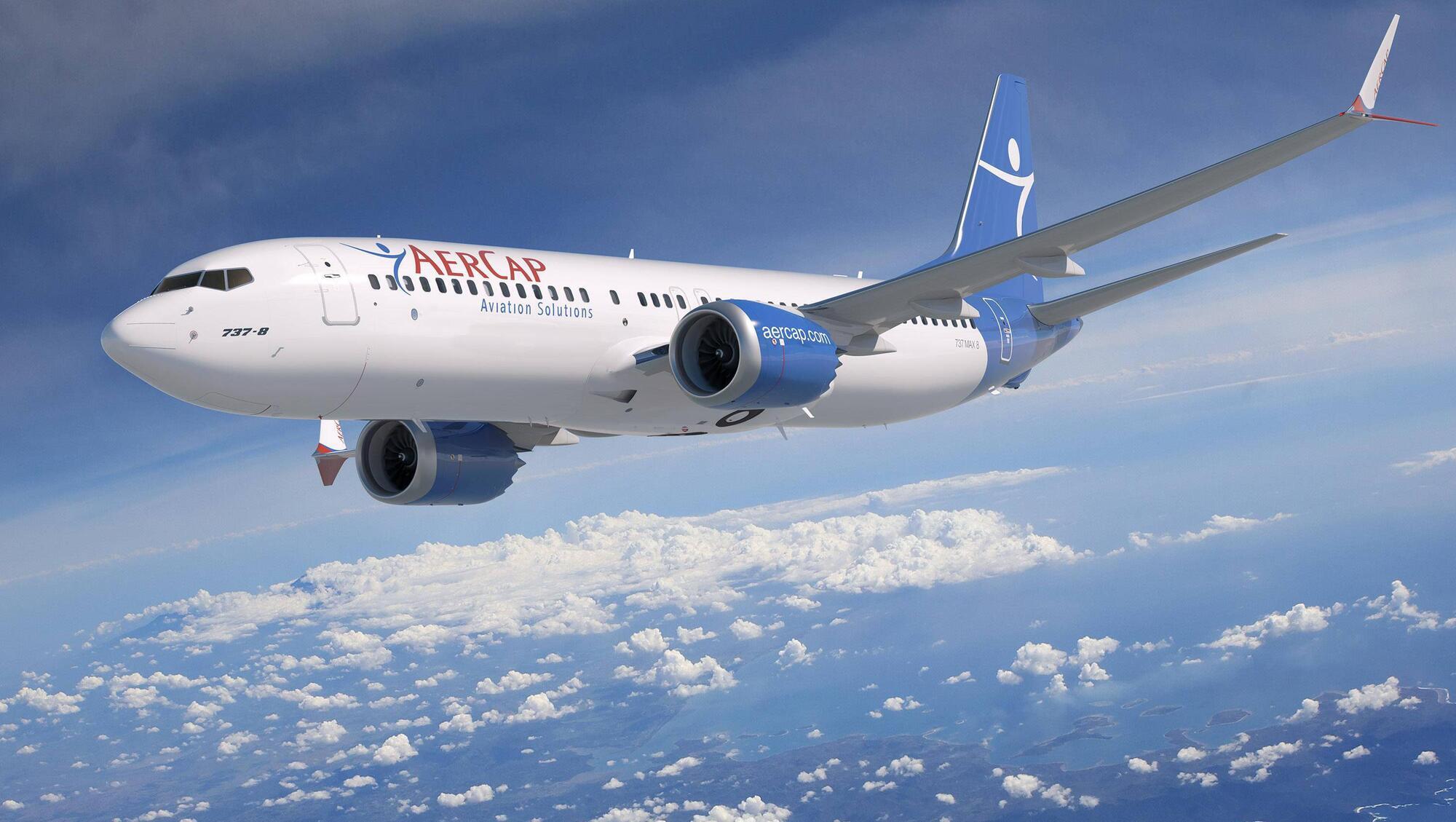
Dublin-headquared aircraft leasing company AerCap is one of the lagest airline owners in the world.
Millions of air passengers hear ‘the announcement’ every hour of every day, across Europe and far beyond.
“We are now boarding priority passengers. Please ensure that your passport is open at the picture page.”
Few will be familiar with its origination and heritage.
The ubiquitous ‘announcement’ can be traced back to 1975 when a visionary Aer Lingus executive, Tony Ryan, convinced his bosses that they were missing out on a significant revenue opportunity in the business of leasing aircraft.
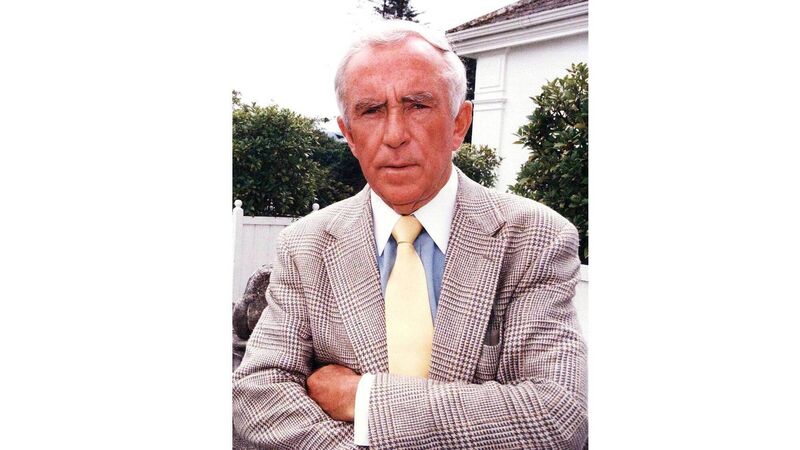
They trusted and, more importantly, funded him — and so Guinness Peat Aviation (GPA) was born and soon became a significant disruptor to the existing procurement and financial models used in the ownership of airplanes. A summary of the GPA ‘fly-by’.
Ryan’s dynamism attracts significant domestic and offshore investment and very blue-chip board members. Rapid development to become Ireland’s most valuable company, on paper at least, and within ten years is Europe’s largest aviation leasing company, principally serving operators lacking the working capital to buy their own aircraft.
Sadly, like the ancient Greek aviator Icarus, GPA flew too close to the sun and its wings melted during an abandoned floatation in 1992. The company plunged back to earth to watch as its entrails were gobbled up by hungry predators. Tony Ryan’s leasing dream was over, but he had been incubating another idea for a few years, a ‘no frills carrier’ as he called it.
The enduring legacy and impact of GPA for the industry and the nation remains strong and it pervaded the ‘Airline Economics Growth Frontiers’ conference which took place in Dublin last month, which was attended industry leaders, customers, suppliers and commentators who had flown in from all over the globe.
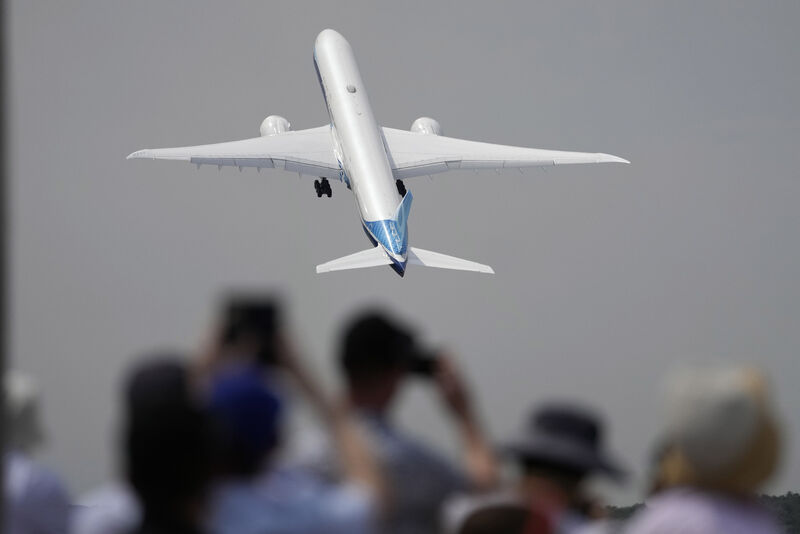
The most visible commercial legacy of GPA was, of course, Ryanair, who like another ancient Greek became the ‘place that launched a thousand airships,’ and democratised international travel.
Along with its basket of imitators, their success has contributed significantly to a currently insatiable world-wide demand for airplanes.
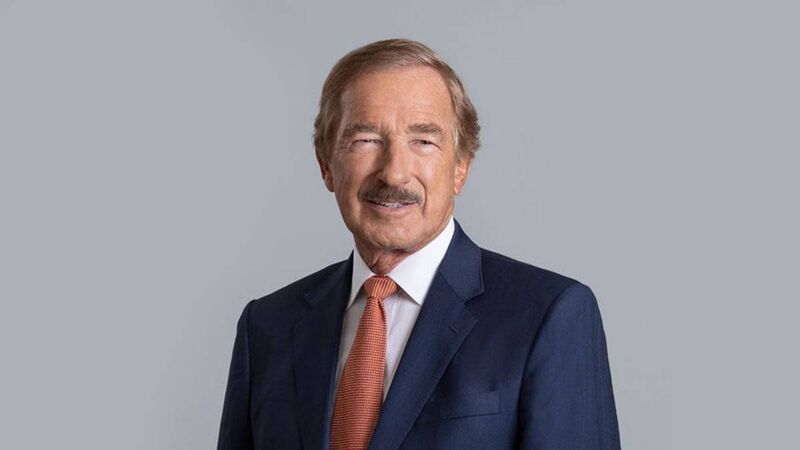
In his keynote address to the conference, Steven Udzar-Hazy, executive chairman and founder of Los Angeles-based Air Lease and a legend of the industry, predicted headwinds in the supply-demand situation for the foreseeable future.
Demand is soaring, driven by an increased post-pandemic craving for human connectivity, along with increasing trade levels, speed, efficiency and a growing realisation that an airplane is the safest mode of travel.
In contrast, the supply side is a rolling nightmare with no sustainable solution in sight. Neither of the two dominant manufacturers, Airbus and Boeing, can meet their current order backlog and their combined output has plummeted to 60% of peak 2018 levels.
Boeing is in the deeper hole. The crisis caused by well-publicised crashes and other safety excursions has been exacerbated by ongoing quality and reliability issues at their factories and a debilitating series of labour strikes late last year.
As a result, new product development is lifeless and if you are lucky enough to get a delivery commitment for a new airplane, either single aisle or widebody, the lead-time can often range between seven and ten years.
But, as ever, one man’s poison is another man’s meat, and the global aircraft leasing business hopes to be dining on Kobe beef for the next few years. When demand is greater than supply, prices go up and this might signal good news for the leasing business in Ireland.
An unintended but happy consequence of GPA’s crash was that an extremely capable, talented, hungry and ambitious domestic skill base has emerged in the sector.
They set to work convincing the big players, including the American giants, BBAM and Air Lease to locate in Ireland where now, remarkably, 60% of the world's leased commercial airplanes are owned with over $100 billion in assets under management.
This didn’t happen in a straight line. Untangling the myriads of mergers, consolidations, acquisitions and spin-offs that have brought us from GPA to where we are now is about as simple as untangling how the British monarchy got from William the Conqueror to King Charles III. But AerCap provides a good case study of Irish American integration in the aircraft leasing sector.
suffering financial distress in the early 90’s GPA offloads aircraft to GECAS a subsidiary of General Electric and an option to sell 90% of its equity at bargain basement prices to GE Capital. Subsequent sales of its remaining fleet brought them fully under the control of GECAS.
In late 1998, the Pacific Texas group bought most of the remaining equity and rebranded GPA as AERFI which was subsequently bought by Daimler-Chrysler and renamed ‘debis AirFinance’. This entity was subsequently bought by Cerberus Capital and renamed AerCap.
Through organic growth and acquisitions, AerCap is now the largest aircraft leasing company in the business with almost 1,700 planes valued at $62 billion, twice the size of its closest rival, Ballsbridge-based Avolon.
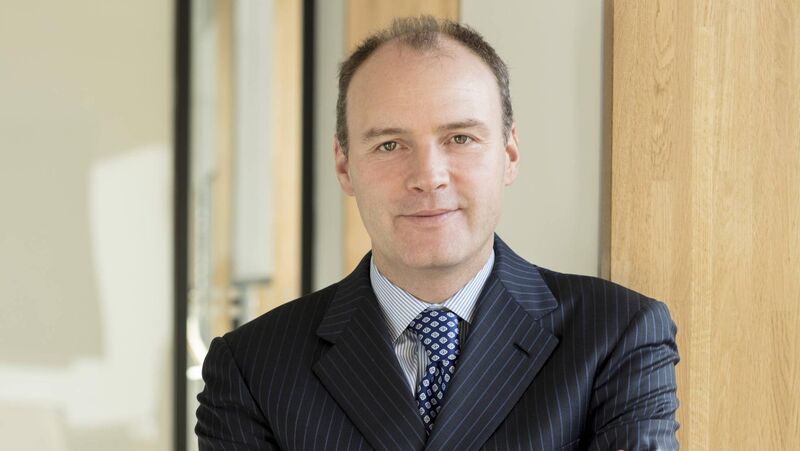
AerCap is headquartered in Ireland and led by an Irish CEO, Aengus Kelly, whose, surprise, surprise, first aviation job was with GPA.
Kieran O’Brian of KPMG Aviation Advisory, one of the sponsors of the Airline Economics conference, summarises the impact of talent in luring business to Ireland. “Of course, the tax regime and the double taxation advantages are important,” he says, “but it’s the talent.
"If you want to hire good professional people, the easiest place in the world to do it is Ireland. It’s not just direct employees, it’s the consultants, the technical consultancy, all that takes place here. If I want to set up somewhere else, a lot of that infrastructure is just not there.”
That Irish ‘talent’ adds value right through the supply and capital provision chains. A lease sounds like a simple thing at face value, merely a rental agreement where an airline pays for the possession and usage of the aircraft for a contracted span of time.
Peel the onion and the complexity deepens.
What type of lease?
- Wet — craft, staff, maintenance and insurance included.
- Dry — the plane and nothing else.
- Damp — a hybrid of both.
Then there is the complexity of procurement decisions for long lead-time assets in a cyclic business, inventory management, life cycle assessments, mandated transition to green transport methods. Then there’s the sheer brain-bursting minutiae of the legal and financial wrap-arounds.
If the 'Airline Economics Growth Frontiers’ conference could be summarised in one word, that word would be ‘uncertainty’. Contributions from multiple CEOs with unparalleled experience and know-how all professed optimism in the fundamentals of their business to be profitable but quickly moved on to the headwinds.
Oil prices, borrowing costs, geo-political turmoil, insurance price and availability, component and engine production, lack of new product roadmap from the manufacturers, tariffs. Boeing.
When asked to nominate his near-term priorities, Aengus Kelly conflated a couple of the issues. "Boeing needs cash,” he said. “It has to convert inventory into cash. Tariffs don't help that. How do you get cash? You deliver airplanes. To deliver an airplane, it must be certified. If it's not certified, there's no chance of getting cash. That is what I would say should be the number one focus."
Meanwhile, back at the gate, the priority passengers have made their way to the boarding stairs, grumbling about the irritating 30-minute hold since ‘the announcement’.
If the jet they are about to fly in is leased there’s a 60% chance that the paperwork was processed in Dublin. Probably by somebody who knew somebody who once worked for GPA.