"China has changed my life," says highly respected professor
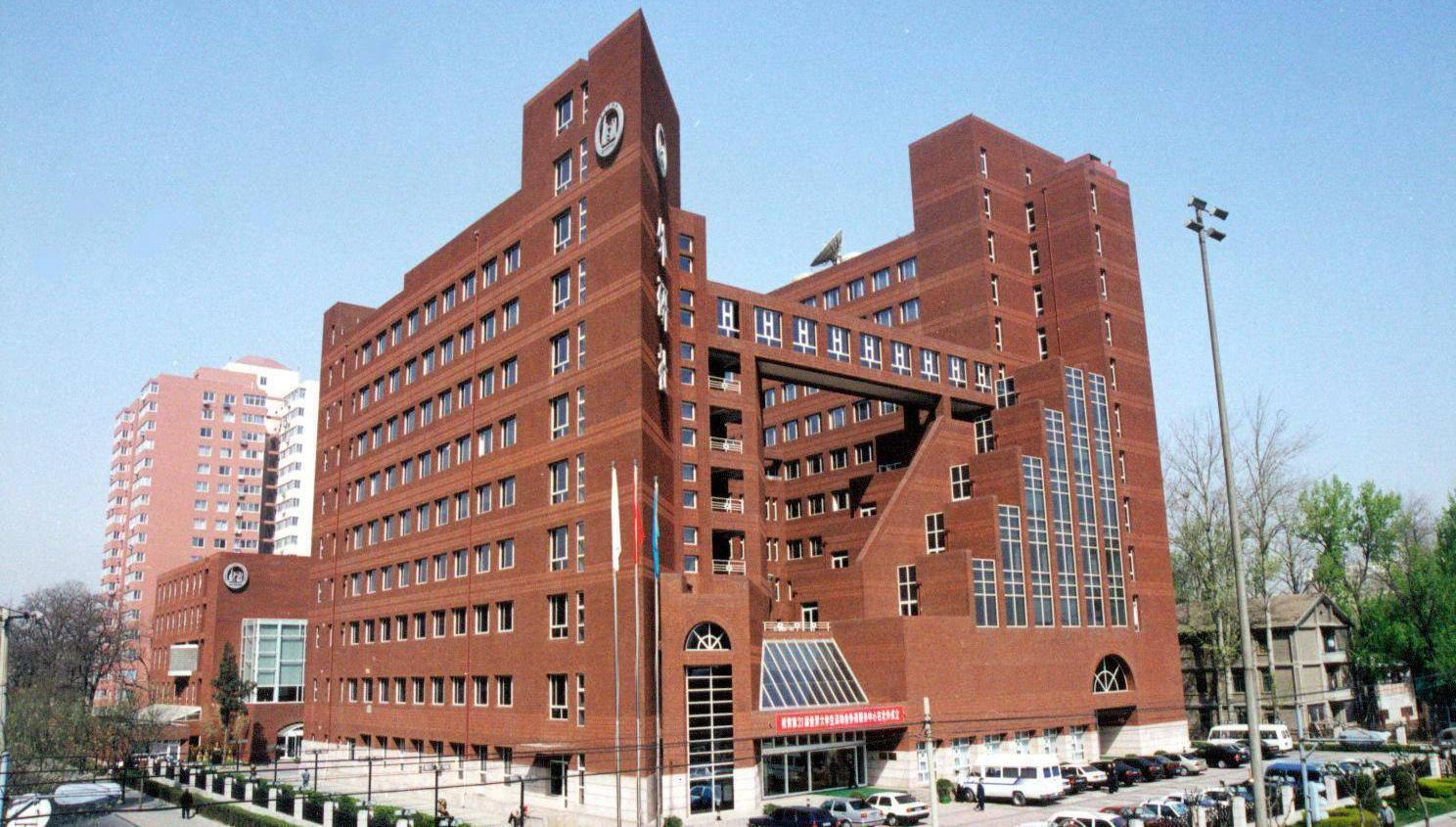
Beijing Foreign Studies University, where the studies on offer include Irish history, economics, and literature, as well as entry-level Irish.
China changed my life. I had no idea it would do so when, in 2004, I took early retirement from UCD to accept an invitation to teach at Beijing Foreign Studies University.
I thought of it as simply another professional challenge. And challenge it would be, as BFSU is known as an elite university, a place where China trains its diplomats and foreign business professionals.
Its School of English and International Studies boasts (with reason) that it has about 200 of the most proficient English speakers among its graduate students.
Yet, from the moment I landed, I realized I was in a universe I scarcely recognized. To parachute into Beijing, a city of about 25 million, from a small nation of then four million souls was the first shock.
People everywhere, living in soaring apartment buildings, filling the canyons between them at rush hour – walking, biking, riding in buses and cars. The sheer numbers were daunting. Luckily BFSU is a small campus; in 2004, it still had older, modest buildings surrounding little parks that made it feel more like a community than a famous urban university.
Initially, I was asked to design courses within American and British area studies. In those early years, I taught what must have been one of the first gender courses in the PRC: more radical for covering not only issues regarding women but also men, homosexual, and transgender persons. It was a challenge at a time as official attitudes towards being gay were at best ambivalent.
To my surprise, BFSU put no barriers to my project. Another test of its intellectual liberalism was an assigned course on Critical Thinking. Again, the course attracted no censorship, although in the end students were analysing current political speeches and reading such classic texts as How to Lie with Statistics. A second surprise was the quality of the students: eager, hard-working, respectful. As a professor, one would kill for such students. As for our colleagues at BFSU, who helped us navigate this very different world, they became among the most valued we have.
Hence it was, one evening over dinner with the then Dean, that I raised the issue of a new development at SEIS: a proposal to add Canada to the list of American, British, and Australian area studies.
I was amazed: How many Nobel Prize for Literature winners were from Canada? Ireland had four, excluding Oscar Wilde and James Joyce, whom I was routinely teaching under British Studies. The Dean listened; then suggested I write a proposal for Irish Studies to be added to the list.
Behind the scenes, that proposal took off, largely due to the combined efforts of Ambassador Declan Kelleher and the university leaders at BFSU. Within a year, in 2007, a new Centre for Irish Studies was established at SEIS – and thrives there still, teaching not only Irish history, economics, and literature, but entry-level Irish to its students.
Over the 15 years that I taught, on and off, at BFSU, China changed the way I saw China. Teaching in the new Irish Studies Centre, I began to realize how many cultural affinities existed between our two countries. Both grew from ancient, rich civilizations (Chinese students were astonished to learn about Newgrange).
Each possessed an extensive literature in one of the oldest languages of their distinctive domains. Although each thought of themselves in terms of an empire, both Ireland and China suffered under colonization. And both shed their role in empire to become, after chaotic periods of transition, independent republics. Their sudden modernization over the last century has led to similar outlooks – and difficulties – in both worlds.
These mutual connections provided a rich resource for putting together two books of essays: China and the Irish (New Island, 2009) and The Irish and China (2019). (It is notable that half of the contributors to the second volume are, in fact, Chinese scholars.) But mere connections were not enough.
What fascinated me was how differently, yet how similarly in some ways, the Chinese and Irish people I knew seemed to think. After fifteen years teaching a course comparing the cultures of China and the West, my teaching partner John Blair and I embarked on a book to explain what we as Westerners understood to be the central values of most Chinese people.
The result (entitled Thinking through China) tracks the way China has changed the way I see the world, challenging just about every big word on which I had built my life, from God to Truth to Justice. For an intellectual in late middle age, this disruption has been a great gift.
China has changed my life; it has also changed Ireland. Forty-five years ago an Ireland seeking to expand its international relations engaged in a milestone agreement with a China then emerging from global isolation.
Since then, economic cooperation between the two countries has surged, becoming a lynch-pin of the China-Ireland relationship. Yet, after years of working in China, I believe it is not simply economics but our many shared cultural similarities that have fostered a unique trust between our two countries. Both are characterized by the weight they place on pragmatism, resilience, and the value of mutual cooperation.
In years to come, it is these values which will enable Ireland and China to engage in the strategic dialogues necessary to resolve such critical issues as ideological difference, geopolitical realignment, and — now urgently — climate change.
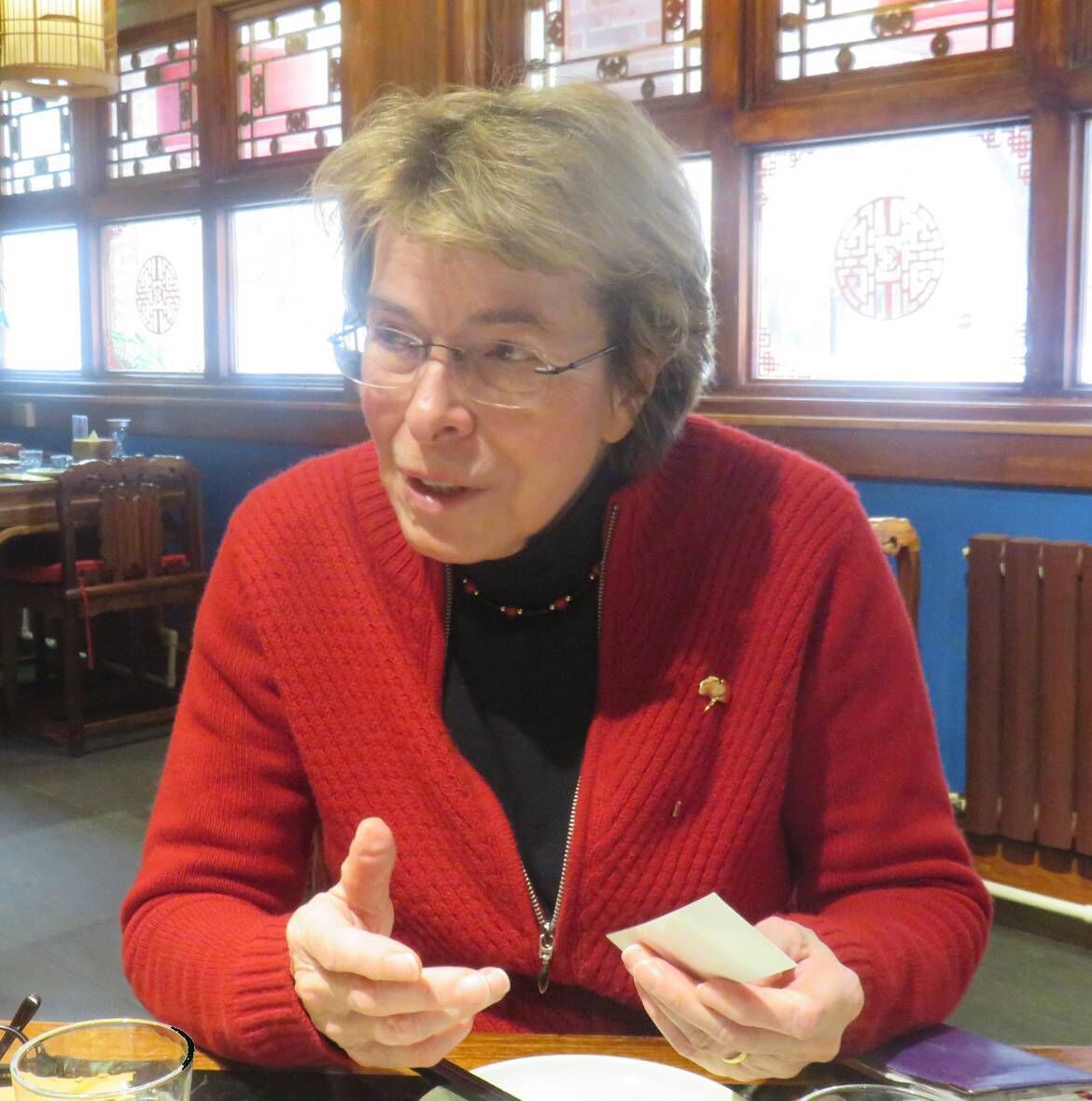
Jerusha McCormack served as Honorary Professor at the School of English and International Studies, Beijing Foreign Studies University, from 2004 to 2019.