New BER system explained: What it means for homeowners chasing green mortgages

We recently did a significant retrofit on our 1980s-built semi-detached home — qualifying for a cheaper green mortgage was half the reason we took on the retrofit
I heard recently that a new BER system was being introduced. I don’t know why they keep on shifting the goalposts. We recently did a significant retrofit on our 1980s-built semi-detached home but only moved from D2 to a C1, which was very disappointing. What happens to our C1 cert now? Are we likely to be changed upwards or downwards?
We had actually hoped to move much higher and even get close to an A3 but not getting into the Bs means we can’t transfer to a cheaper green mortgage which was half the reason we took on the retrofit — well, for me anyway.
Should we go again and try improve our grade under the new system to qualify for a green mortgage? My wife believes we should do everything we can to get the highest grade possible but is it realistic for people like us in a home built in the 1980s to aspire to the top grade?
Thanks, Darragh
Thanks for asking this topical question.
This is a very new development and only came into effect on May 24, so it is highly relevant and your query informs our readers in case they are planning to do their own energy upgrades.
Congratulations on your renovation, and although you are disappointed, pull out your BER cert and take a good look. You went from energy usage of 260 kWh/m2/y to 150 kWh/m2/y. This is a great step up. As to your question of getting a house of this age to A3, this is incredibly difficult and will likely result in placing PV panels all over your roof, lawn, and any free space you have available.
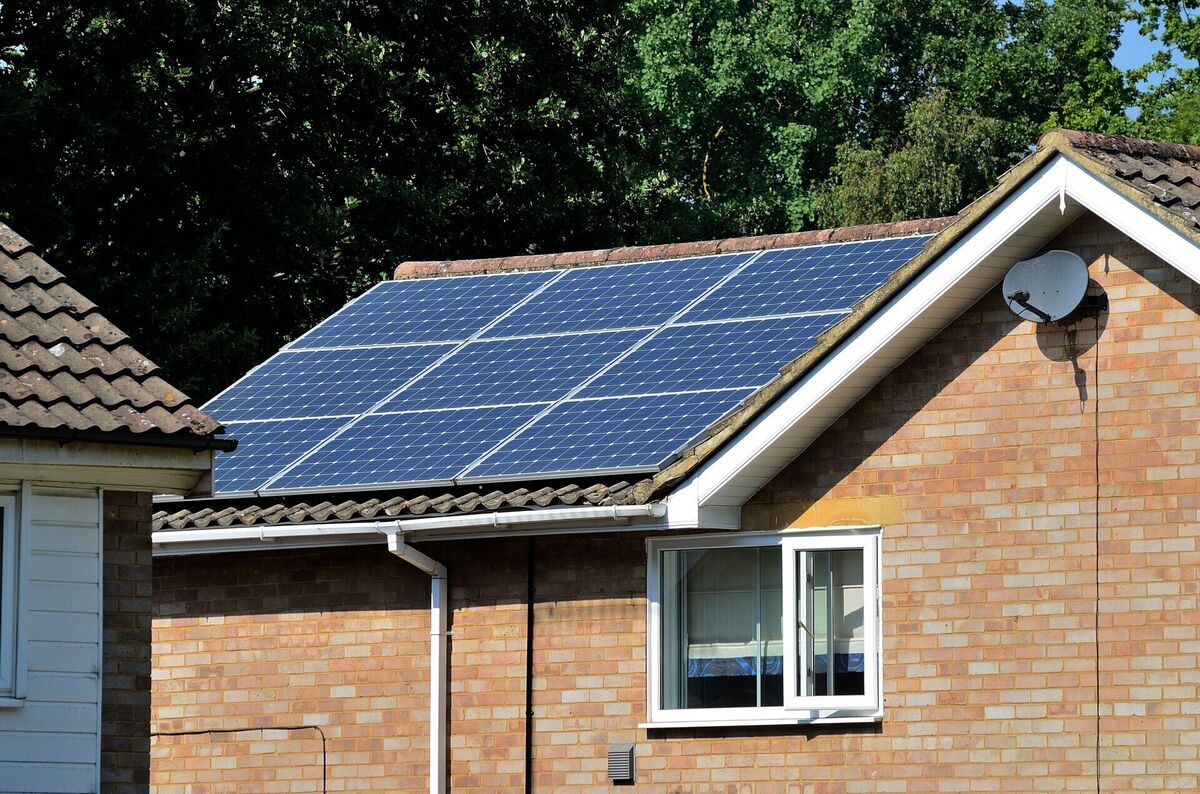
I wouldn’t like solar arrays all over my lawn. The good news is that innovation is constant, so our clever energy scientists and mechanical/ electrical engineers will eventually invent something very spatially efficient as well as energy efficient.
Very simply, it won’t alter existing ratings. That is, all current ratings will remain the same until they reach their 10-year limit. Once the limit of 10 years is reached a new rating will be required if you are selling or leasing/renting or if you have carried out a major renovation.
The new regime will apply to all new ratings. The ratings, formerly A1, A2, A3, B1, B2, B3, C1, C2, C3, etc, have been streamlined and have an addition. These are now A0, A, B, C, D, E, F, G. The change was for standardisation purposes — to bring ratings into line with that of the EU ratings.
Another change is that, instead of a one-page rating, it will be three.
The first page does not only cover the details on the original BER cert but has a QR code that takes you to more information about your rating. It also lays out permanent information in easier consumable bites, such as ‘Annual Primary Energy’, ‘Annual Final Energy’, ‘Renewable Energy’, ‘Building Energy Demand’, ‘Global Warming Potential’, and ‘Operational Greenhouse Gas’.
The second page of the cert refers to additional energy data in terms of technology; and the third page is useful information for the building owner regarding the BER and definitions of terminology, explanations as to what is calculated and links to more information.
In other words, it attempts to make the purpose of the rating more accessible and user friendly to the building owner ... and also, for the professionals, because it can seem like a bit of voodoo at times..
The one thing I would flag is your expectation of what your renovation was to achieve: ‘We had actually hoped to move much higher and even get close to an A3.’
It is critical that the right professional is consulted when it comes to energy upgrades and that a competent contractor carries out the work.
Your energy consultant will trial-and-error energy improvements on a software package. When the correct combination of solutions (it is rarely ever one solution) are fixed on, you then give this information to the designer who specifies the works. A good designer will know to work closely with the BER assessor to achieve the strict requirements in detailing insulation junctions, use of correct materials and, what is actually the most critical, how application is achieved.
This information is then passed onto the contractor, with inspections by the BER assessor and the certifier (certifier may be designer or a third party). When details are proven to have been installed correctly this information is fed into the BER software and a final certificate is issued.
But the key thing is, you will know what the rating will be before the works start.
It is important to note that the energy rating following a renovation is not like your Leaving Cert exams where you have done your very best, but you won’t know your results until they are in your hands months later.
If works are carried out to the specification designed with the rating aimed at first day (with slight fluctuations where airtightness testing is carried out) there should be no surprises.
As to your question of whether you should keep going, this is a tricky question and depends on what your goal is.
If it’s the green mortgage, then you’ll have to calculate your savings on the green mortgage versus the cost of works. If you want a more energy efficient building no matter the cost, then you know your answer. But, before you do anything, get the right professional advice. Only then will you be able to make an informed decision.
I hope this is of some use and I wish you and your wife the very best.
- Brigid Browne is a chartered building surveyor and Chair of the Southern Region of the Society of Chartered Surveyors Ireland. She is the MD of Cashel-based Fortress Planning. fortressplanning.ie
CONNECT WITH US TODAY



Be the first to know the latest news and updates