Majella Galvin: Is buying a protected structure worth it?
Location is key to long-term satisfaction when buying a home
I have a tricky choice, a ready to go home with an inconvenient location, or a perfect location that is a project to take on

I have a tricky choice, a ready to go home with an inconvenient location, or a perfect location that is a project to take on

Dear Majella,

I moved to Ireland over the past decade, and I’m in the process of buying my first home here. I’ve identified two properties within my price range, but I’m struggling to decide between them. The first is a four-bedroom house in good condition with a small garden. It is essentially ready to move into, which is very appealing. However, the location is far from ideal — about an hour’s drive from work, and about 40 minutes from my child’s school, which would significantly impact daily life. The second property is in a location I would describe as excellent: Close to work and school, as well as local amenities. It also comes with two acres of land, which is a major attraction. However, it requires refurbishment and is listed as a “protected structure”, which I do not fully understand. I am also unsure about the scale and cost of bringing it up to standard. My question is this: Do I choose the ready-to-move-in house in a less convenient location, or do I take on a project in a good location but with uncertainty around refurbishment costs and planning restrictions? — Yours, Gretta.

Hi Gretta, In the situation you describe, one principle stands out very clearly: You can change a house, but not its location.

A house can be improved over time. Kitchens can be upgraded, heating systems replaced, layouts altered, and homes extended or modernised. But the location — the commute, the access to school, the surrounding amenities, and the daily convenience — is fixed from the moment you buy.

That is why location tends to have a much stronger influence on long-term satisfaction than most buyers expect at the outset.

Looking at your two options in practical terms

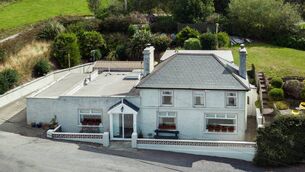
The first property offers certainty. It is in good condition, ready to move into, and avoids the need for any major works. For many buyers, that simplicity has real value, particularly at first purchase stage.

However, the trade-off is the daily routine it creates. A long commute to work and school becomes part of everyday life rather than an occasional inconvenience. Over time, that affects how much time you have at home, how flexible your mornings/evenings are, and how easy day-to-day living feels.

Often, buyers only fully appreciate the impact of location after they have lived with it for a while. The property may be comfortable, but the routine around it can wear you down. You may need to ask yourself some questions. How long will your child attend that school? Is there another school/college after that? You seem to imply that you need to be at your place of work every day. Is that the case? Will it ever change?

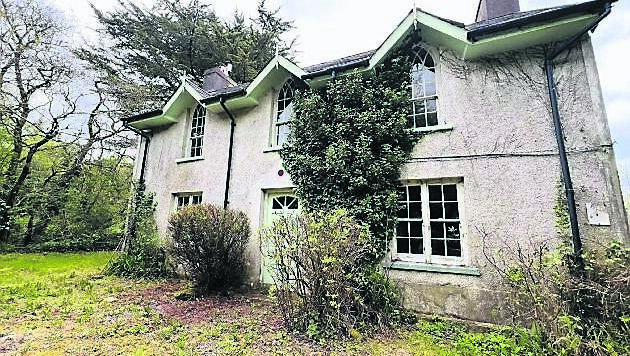
The second property is very different. It places you in the right location for your life — close to work, to school, and to amenities. That is a benefit you feel every single day. It also comes with two acres of land, which is a significant long-term advantage in terms of space, privacy, flexibility, and even potential development.

However, it’s a protected structure and you need to understand what that entails. In Ireland, a protected structure is a building that is included on the Record of Protected Structures due to its architectural, historical or cultural importance. It is protected under planning legislation, and any works that could affect its character may require planning permission.

This is where many buyers underestimate the level of research required. In some cases, even works that would normally be straightforward in a standard home may require permission or consultation.

Depending on the structure, this can include:

  • Window replacement;
  • Door alterations;
  • Roof repairs or changes;
  • Extensions or external works;
  • Internal alterations;
  • Even painting or finishing changes in certain cases.

The key point is that it is not about preventing improvement — it is about ensuring changes are appropriate to the building’s character.

If you are unsure, the advice from local authorities is always to check in advance, as requirements can vary depending on the specific structure and its listed features.

Refurbishment costs and available supports

With a protected structure, refurbishment cost is not something that should be estimated at a glance. It needs proper assessment once you are in a position to investigate further.

This is where professional input becomes essential, particularly from a building conservation accredited surveyor.

The reason is simple: costs depend heavily on what is already there, what must be preserved, and what level of intervention is required.

However, there are supports available that can make a meaningful difference.

The Built Heritage Investment Scheme (BHIS) provides grants to assist with the repair and conservation of historic buildings and structures.

  • Grants typically range from €2,500 up to €50,000;
  • Funding can cover up to 80% of the cost of approved conservation works;
  • There is also specific support for conservation of historic thatched buildings;
  • The grant is paid once the approved works are completed There is also the Conservation Advice Grant Scheme for Traditional Houses, which provides up to €5,000 to obtain professional conservation advice on how best to approach refurbishment works.

These schemes are particularly relevant where specialist materials or traditional building techniques are required, which is often the case with protected structures.

In addition, if the property has been vacant for a qualifying period, you may also be eligible for the Vacant Property Refurbishment Grant (Croí Cónaithe), which can provide:

  • Up to €50,000 for a vacant property;
  • Up to €70,000 if the property is derelict. These supports do not remove the need for a full refurbishment budget, but they can significantly reduce the overall cost depending on eligibility.

Making the call

These properties offer two very different pathways. Readymade modern comforts but with a long commute or a refurbishment project in the right location.

It is also important to be very clear at this stage that either property may or may not be suitable depending on your budget once proper professional checks are completed. That is why it is essential not to rely solely on viewing impressions or brochure information.

I would recommend getting a conservation surveyor to view the property with you if possible.

While not in any way a replacement for a proper survey, they should be able to provide you with a sense of the work required, a time frame for the works, and ballpark costs.

If you feel this is the property for you and you want to take it on as a refurbishment project, then go for it.

The real clarity will come after you go sale agreed and you have the surveyor’s report, solicitor’s checks and refurbishment advice supported by an understanding of which grants are available.

Final thoughts

In most cases, location has the strongest long-term influence on day-to-day living, because it affects your routine every day, not just the condition of the home at purchase.

However, refurbishment properties only work well when the scope, planning requirements, and financial supports are properly understood before moving forward. They are not for everyone.

You don’t say, but if you have construction or project management skills, it can make a real difference.

There may also be potential to develop another site or property on the two acres it comes with, which is worth investigating.

Overall, my sense is that you have serious reservations about the location of the modern property. They appear to be well founded.

The key to making the right call on the other property is to progress step by step and make an informed decision.

If you believe it has potential, secure it if appropriate, pay the booking deposit, and allow the professional reports, legal checks, and grant research to give you a clear, realistic picture before committing fully. Then you will be able to decide based on all the relevant facts.

  • Majella Galvin is chair of the Membership and Public Affairs Committee of the Society of Chartered Surveyors Ireland. She is a chartered surveyor, estate agent and registered valuer at DNG Galvin auctioneers Bandon.

More in this section

Revoiced

Newsletter

Had a busy week? Sign up for some of the best reads from the week gone by. Selected just for you.

Cookie Policy Privacy Policy Brand Safety FAQ Help Contact Us Terms and Conditions

© Examiner Echo Group Limited