Property Advice: Should I buy a doer-upper in Sicily for €1?
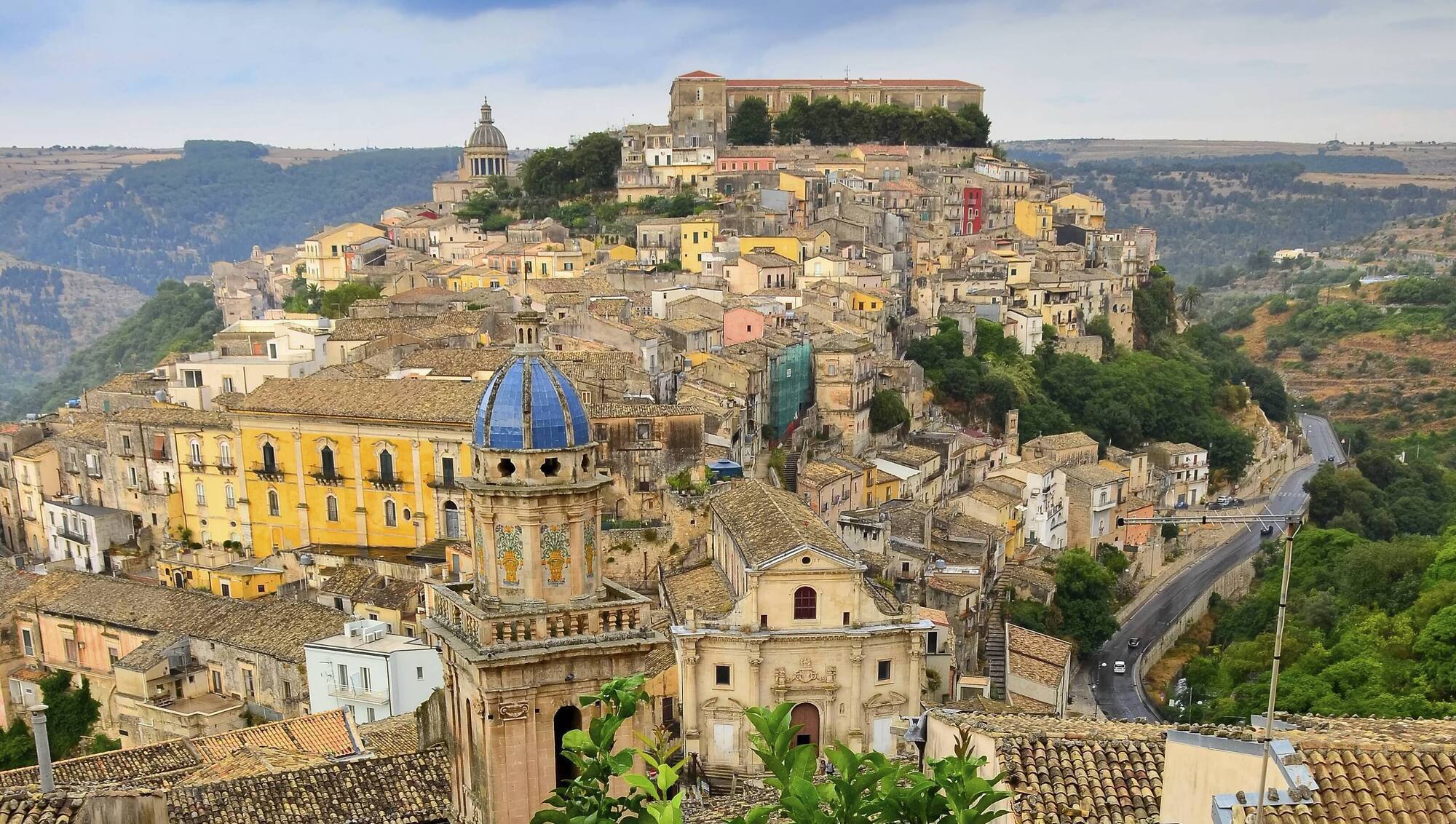
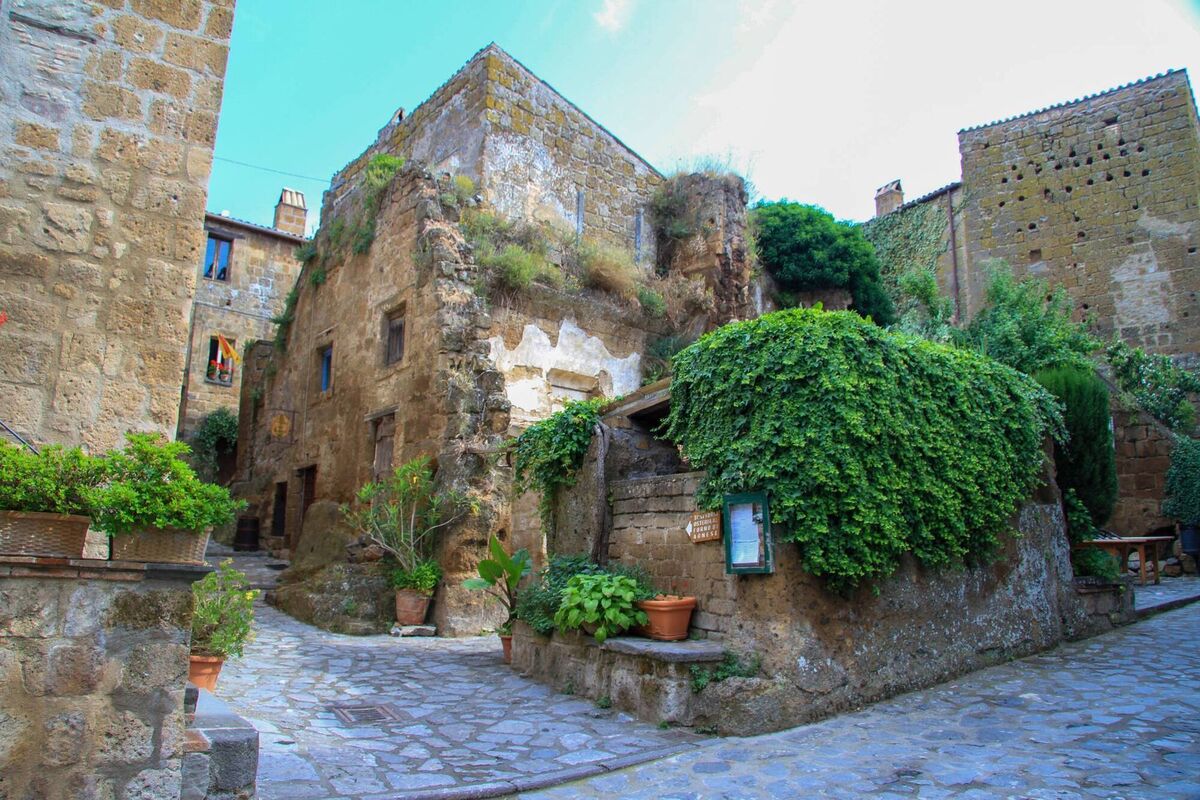
View of beautiful village Ragusa, Sicily.
Hi Fiona
Wow, Sicily is such a special place. The light, the landscape, the history, the food. And the Ragusa area, in particular, has a charm that’s hard to describe, unless you’ve felt it yourself. You are talking about living the dream. But I love your caution. Hold it close.
The €1 scheme is very attractive, but the deadlines, restrictions on renting, and hefty exit clauses can make things go very wrong, very quickly.
Stepping outside this and buying a plot and building new, or buying a ‘doer upper’ without these restrictions and caveats, might be the best option, albeit much more expensive. But once the €1 scheme restrictions are removed, all the other considerations are more or less the same. For instance, you need a plot that has access to a sustained electricity supply, potable water, and public sewerage.
Where sewerage connection is not available, just like in Ireland, you may have to install your own system, and you will need planning permission to do so. To submit an application, you will need a surveyor, known as ‘geometra’ in Italy, or an engineer, to carry out the required tests and generate a report. There may be restrictions on the land (protection status), so research will be needed. You may also have to consider installing a well. Again, your professional on the ground can look in to this and advise you.
It is also vital to know the extent of your lands. You don’t want to be left with a ‘ransom strip’ outside your front door or find that your rear courtyard is not actually yours. In a case I read about, a room in a house belonged to a third party.
You will have to contract a ‘notary’ to help with this. They do what an Irish conveyancing solicitor does here. They will see if the property’s title is clean or if caveated, and what this will mean long term.
This will go a long way to risk assessing. If you are au fait with law, great. If not, I’d advise having an Irish solicitor to check and double check the small print.
You will have to consider location. A rural site, off the beaten track with little activity and little or no tourism, will be hard to rent, so consider locating in or near a tourism hub. A short distance to the airport or access to a major public road, or public transport, would be ideal. Where you are building new, it would be better to hire an architect who can design and advise as to the process. They will likely have a list of contractors that they know and trust to get the job done to regulation and for the right price. They will know if there is ready access to labour and materials for the particular area where you are hoping to build. Where neither of you speaks the other’s language, you may need a translator to help.
Where you buy a do-er upper, a building surveyor would be the best professional to hire. Assessing the building’s pathology would be essential. It might look fantastic on the outside and have the best location imaginable, but is it structurally sound?
Has it a rot or decay issue? Do you need to scarf or replace timbers? Does it meet building regulations or, where it predates building regulations, does it need to be renovated to take it up to a habitable standard? Where works are required, what is the availability of labour and materials?
Your professional should be able to organise permits and works for you but, just like a new build, you may be well advised to have a translator, so you can limit any misunderstanding as the process moves along.
My advice is to have a healthy contingency figure of between 25% and 30%. This should cover most hiccups. If planning permission is required, your surveyor will advise.
Italy has a deserved reputation for bureaucracy, but conveyancing is always rule-heavy, no matter where you are. The process is not necessarily difficult, but it is different, and it can be slow. This kind of project is more than a financial investment. It’s an emotional one, too. You’ve clearly done a lot of thinking already, and your cautious optimism is exactly the right mindset for something like this.
If you and your husband go ahead, do so with a great team, a detailed plan, and a bit of flexibility and I’ve no doubt you could end up with something really special.
A glass of wine on your Sicilian terrace, the scent of lemon trees in the air… It might take time and patience, but it sounds like a dream worth chasing.
Brigid Browne is a chartered building surveyor and chair of the Southern Region of the Society of Chartered Surveyors Ireland. She is the owner/ managing director of Cashel-based Fortress Planning which offers a range of services including assigned certifier, design certifier, building surveyor, and conservation consultancy to clients all over the country — www.fortressplanning.ie
If you have a property related query or issue you would like to raise with Brigid, please email
irishexaminerpropertyqueries@scsi.ie


CONNECT WITH US TODAY



Be the first to know the latest news and updates