Working together for biodiversity: How to make a wetland area for Ireland's pollinators in your garden
A great way to promote biodiversity in your garden and help Ireland's pollinators is to build a wetland area in your garden.
Have a read of our guide about how to create one of the best wildlife features.
Follow all of the steps in our process below and you could have a special signature feature that can do so much for wildlife.
And remember, no matter how big or small, it all helps.
Creating a wetland area
CLIMATE & SUSTAINABILITY HUB

1. Making a wildlife pond. One of the best wildlife features you can add to any garden is a pond. This offers a source of drinking water as well as a home for lots of biodiversity.
And the good news is that your pond doesn’t have to be very large. In fact, even a sunken bath tub or basin can create a water habitat for wildlife, so no garden is too small for a pond.
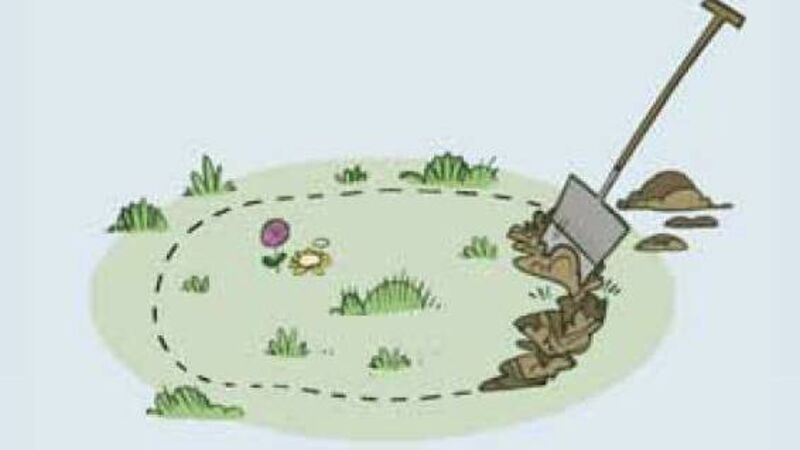
Using string or sand, mark out the shape of your pond and start digging!
It may be useful to calculate the approximate volume of soil you are removing in advance so you can make a plan for this (Width x Height x Depth).
The removed soil might make a nice south/eastfacing bee bank for mining bees elsewhere in your garden.

2. Your pond will soon attract lots of freshwater insects, amphibians, birds, mammals and lots of small invertebrates.
Remember to include a shallow area and some rocks so that birds and mammals can visit and take a drink. Remove large roots and stones to protect the liner.

3. Line the base of the hole with sand. You could also add old pieces of carpet under your liner for added protection.
Line the hole with thick butyl pond liner (the thickest you can get!).
If you plan to create a ‘bog garden’ on the edge of your pond, extend the liner so that it will line this other habitat.

4. Place large rocks around the edge of the liner to prevent it slipping while you work.

5. Add another layer of heavy sand on top of liner.

6. Fill the pond with water from a garden hose or your rainwater butt. Rainwater is best - especially for topping up your pond (using tap water can turn your pond green).

7. Include oxygenating plants such as hornwort. A plant to cover the surface such as Water Lily and emerging plants such as Mash Marigold.
If you get the plants right, you won’t need a pump, which can suck up the tadpoles, for whom you are working so hard to create a home.
You can plant marginal plants around the edges of your pond that will help attract more insects to the area.
8. Planting marginal plants will also make it easier for shy birds and amphibians to enter the area under cover.
A small wooden ramp will prevent any small mammals from drowning if they fall in and can’t climb out.
If you want your pond to attract wildlife, don’t add fish as they will eat all the water creatures.