EU to fast-track construction of cross-border power connections
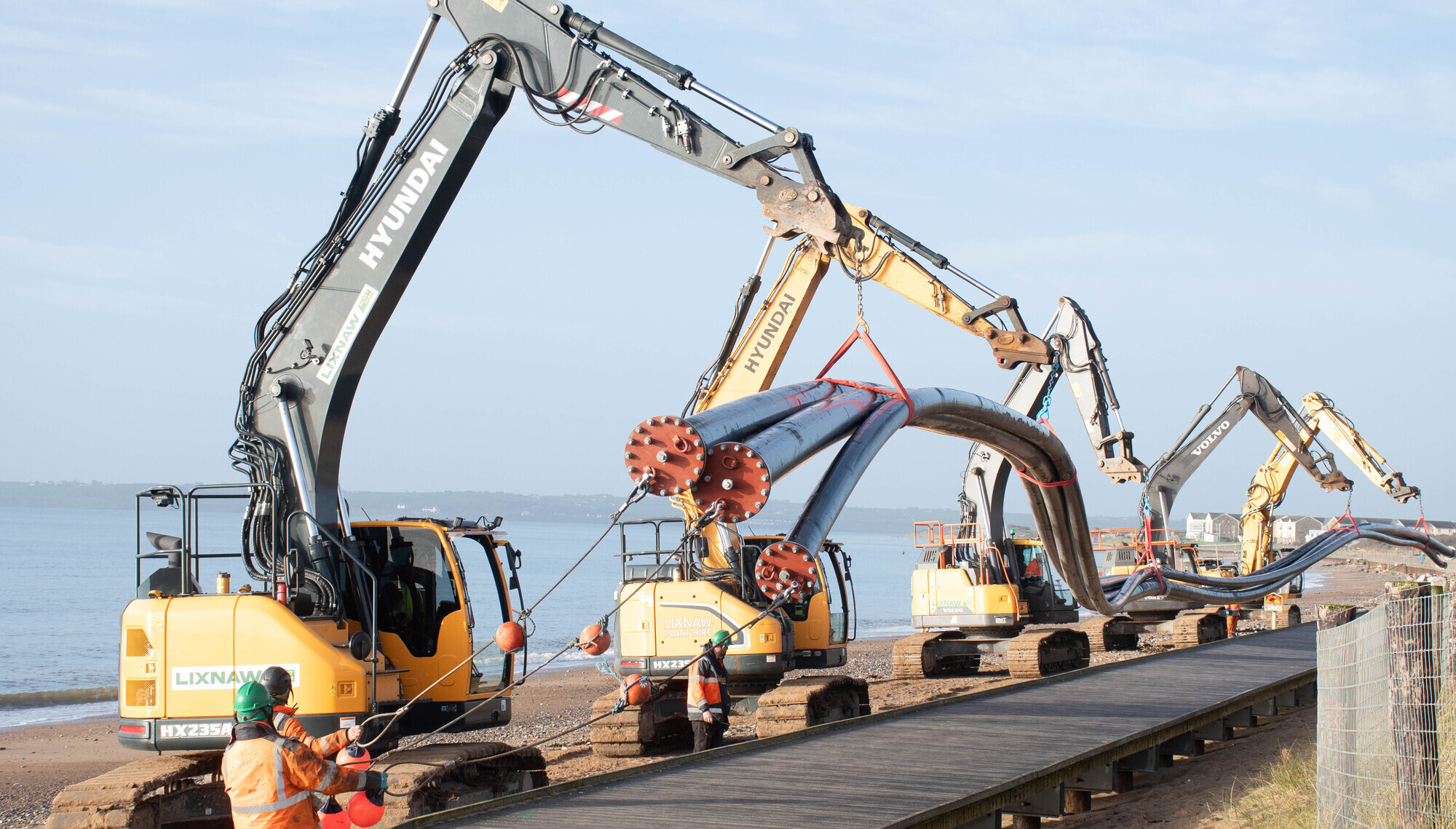
Fixing the system by investing more in grids — including eight cross-border electricity projects — could generate €40bn a year in cost savings. Picture: Howard Crowdy
The EU’s executive arm will seek to accelerate the construction of cross-border power grids, warning that years of underinvestment and fragmented planning is pushing up energy bills.
The European Commission is set to propose fast-tracking the Energy Highways project to improve network efficiency, cut prices, and reduce the region’s reliance on imported fossil fuels, according to a draft document seen by Bloomberg News.
It said the EU’s energy dependency means electricity prices in the EU are more than double those in the US and China.
Higher bills partly result from the failure of grid expansion to keep pace with the shift to renewable energy. That means wind and solar power output is often wasted because it can’t be transmitted to areas where demand is highest, forcing the 27-nation EU to fall back on fossil fuel-fired plants.
Fixing the system by investing more in grids — including eight cross-border electricity projects — could generate €40bn a year in cost savings, according to the document which is set to be adopted by the commission on Wednesday. It could also boost the region’s economy by €18bn by 2030.
CLIMATE & SUSTAINABILITY HUB
The commission has a policy not to comment on draft documents.
The commission also hopes the measures will attract more investment in data centers and AI, areas that could drive economic growth and power demand in Europe.
Without action, the commission warned that 45% of the cross-border transmission capacity Europe needs by 2030 won’t get built.
That would curtail as much as 310 terawatt-hours of renewable electricity by 2040, equating to almost half of the EU’s total power consumption in 2023.
When strong gusts mean that turbines produce more power than a country’s aging grid can handle, the system operator orders them offline, a practice known as curtailment. Wind farms are paid for this, adding costs to consumers.
- Bloomberg
CONNECT WITH US TODAY



Be the first to know the latest news and updates