Working together for biodiversity: Get potting for pollinators with our essential guide
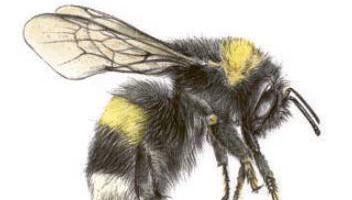
Bumblebees are essential pollinators in Ireland's eco-system.
You don’t need a garden to help our struggling pollinators.
By planting up a ‘pot for pollinators’ for your patio or balcony (or a window box), with pollen-rich flowers, you will provide much-needed food for our pollinating insects.

Read the 's guide about how to get started.
What you will need:
CLIMATE & SUSTAINABILITY HUB
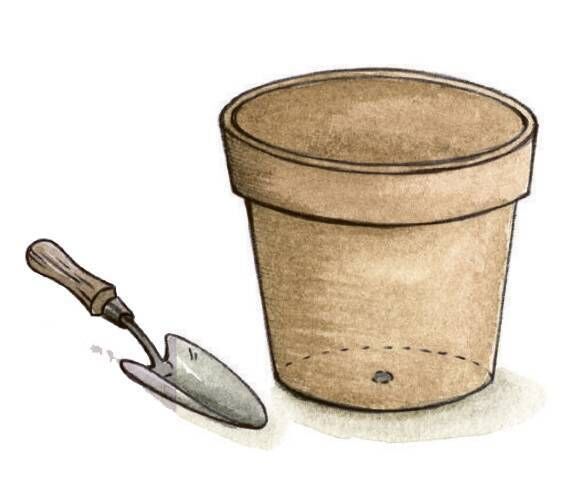
You can buy a pot, or you might already have something you can recycle.
Just remember to drill some drainage holes in the bottom of your pot to prevent it getting waterlogged.
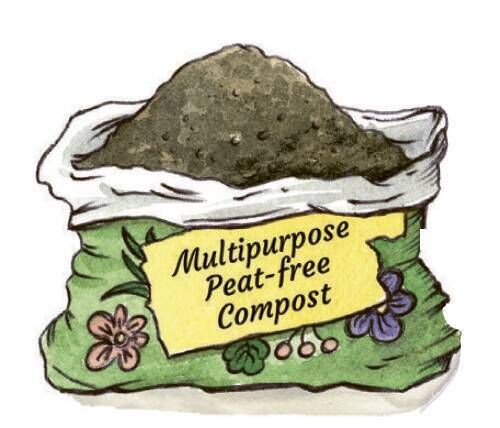
It’s always best to choose a peat-free soil. (Peat bogs are an important habitat, including for many of our pollinators.)
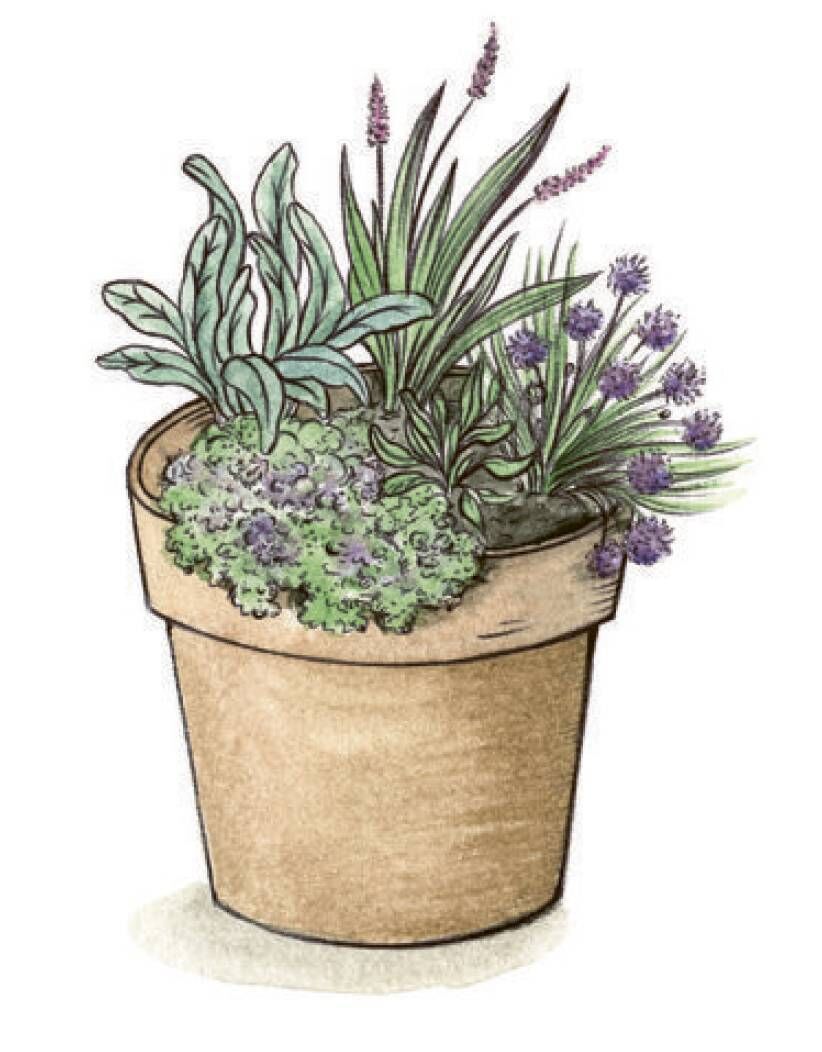
For example, Nepeta, Salvia, Agastache, Purple Liatris, Sedum Autumn Joy, Single-flowered Dahlia.
These six plants were chosen because they grow well together in containers and can be sourced easily in garden centres.
You can find details for other pollinator-friendly flowers, shrubs and trees at www.pollinators.ie
Did you know Daffodils, Tulips and traditional bedding plants, such as Geraniums, Begonias, Busy Lizzy, Petunias, Polyanthus or Salvia splendens have virtually no pollen and nectar and are of little value to pollinators.
Flowers in pots will dry out quicker and need more watering than those in a flowerbed. If you don’t have a watering can, you can recycle an empty plastic bottle – just punch some holes in the plastic lid.
Step by step:
- Place your container in a sunny spot (placing it where you want it to sit will save you lifting a heavy pot after planting).
- Put compost in your pot until it is two-thirds full.
- Gently remove your plants from their original pots and place in your container, with the tallest at the back.
- Fill in around the rootballs with compost and press down gently to a few centimetres below the top of your container.
- Water the container well and top up with more compost if necessary.
-Ensure it remains moist but not waterlogged. When watering, always aim for the soil and not the plants. It’s best to water in the early morning or evening.
-Deadhead blooms to keep the plants flowering for as long as possible.
After flowering is finished, allow leaves to die down naturally, so they can provide shelter for insects during the winter months.
Enjoy your flowers and watching all the different pollinators they will attract. Know that you are helping our biodiversity.


CONNECT WITH US TODAY



Be the first to know the latest news and updates