Autumn offers us the perfect opportunity to reimagine the room outside
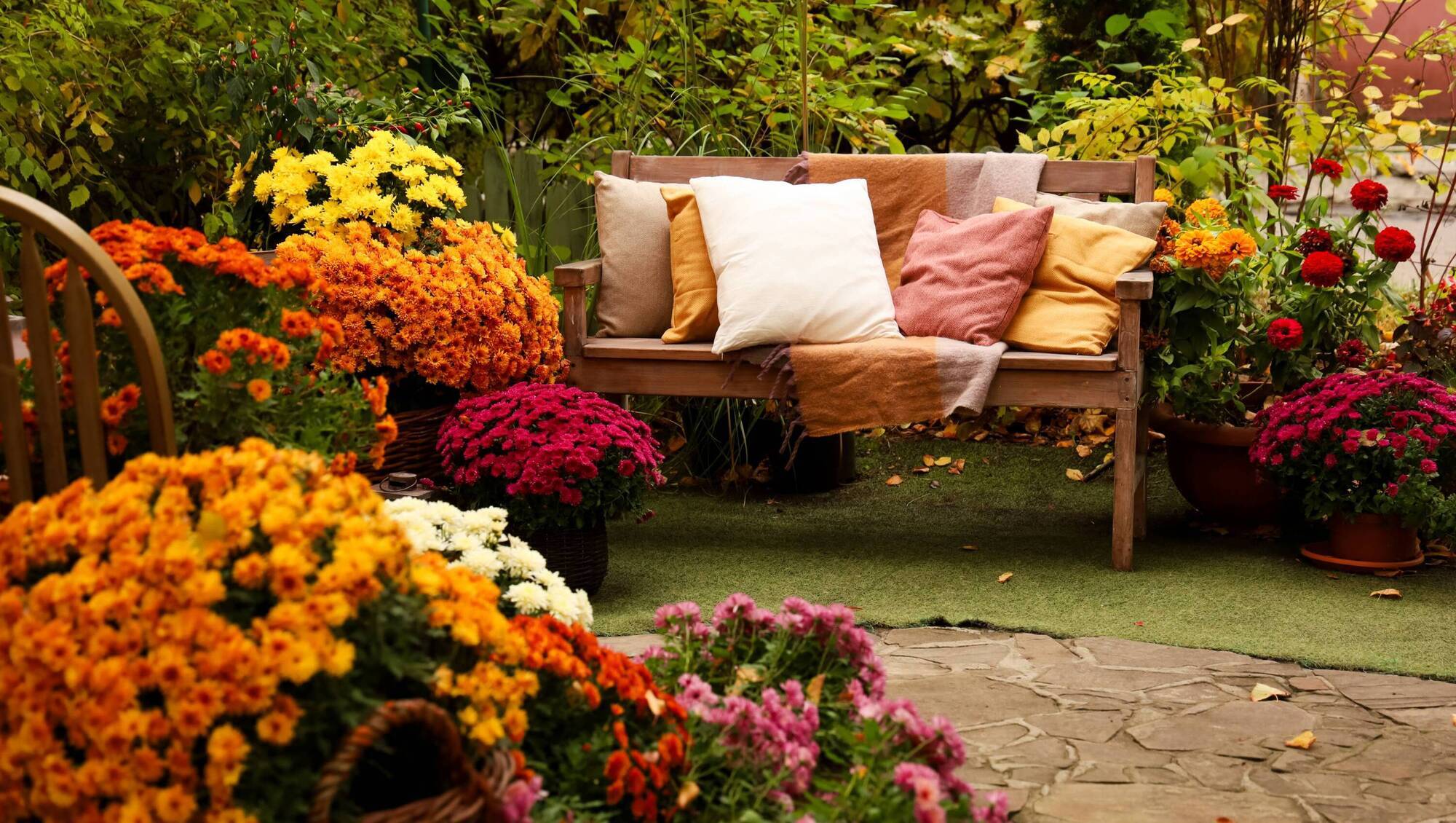
This season offers us the ideal opportunity to rethink our gardens. File pictures
There are times when a gardening to-do list can feel downright discouraging, especially when you’re looking down the barrel of an Irish winter. So instead, this week I’d like to propose the idea of a might-do list. By its nature hypothetical; all it asks of us is that we try to reimagine our gardens with a fresh eye.
This doesn’t necessarily mean radical change. It could be something as seemingly small as skirt-lifting a maturing tree to let light flood in and to give it a more sculptural silhouette.
Or deciding to dig up that very old and ailing rose bush to replace it with something more vigorous and with a longer season of interest. It might be considering the possibility of reducing the size of a lawn to give more space for ornamental or productive beds, or to cultivate a native wildflower meadow. Or simply hard-pruning an old hedge that has slowly stolen precious light and space to the point where it feels constrictive.
Which is not to say that we should neglect the opportunity to contemplate more dramatic change, because this, after all, is what our gardens sometimes need.
Given full licence to freely roam, for example, your imagination might find itself pondering the possibilities of creating a garden pond or a natural swimming pool. Or introducing theatrical changes of level to provide interest by creating a series of sculptural landforms.
You could discover yourself considering substantially reorienting an important entrance way so that it provides far more privacy and a sunny, secluded place to sit outdoors. Or wondering about building a dry-stone wall to provide shelter as well as a sense of enclosure.
Whatever the specifics, at its heart is the possibility of change as something both exciting and transformative, a process that starts with gardeners asking ourselves the leading question, What if?
Blinded by familiarity, this process is often much harder than it sounds. But a simple way to begin is by writing a list of the things about your garden that you love, and a list of the things you don’t.
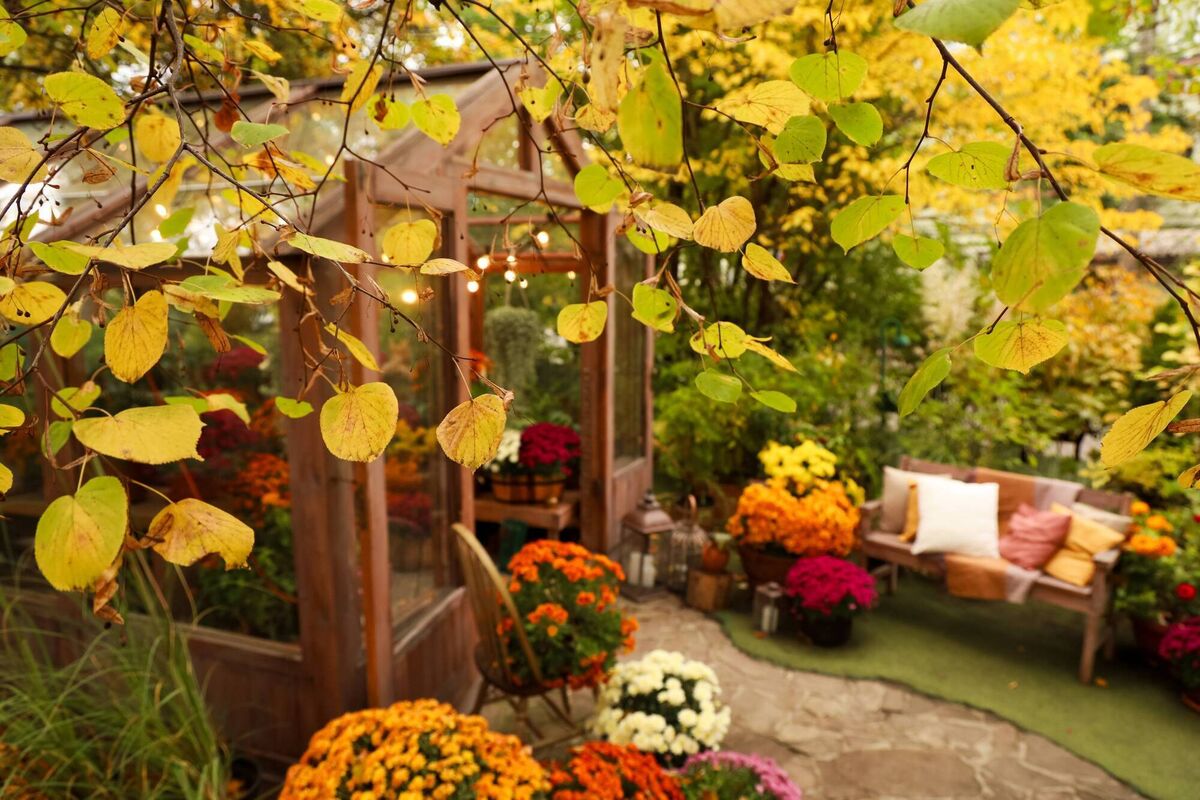
Take plenty of photos too for reference, including some views of the garden from key vantage points inside your home. These interior views are crucial, both in terms of visually and stylistically linking the house and garden as well as for your overall enjoyment of the latter.
Take some key measurements of the site too so that you can roughly draw it out to scale on paper, marking out key elements such as doors/gateways, windows, paths, steps, important changes of level, any paved areas/garden sheds and important trees and shrubs.
If using a measuring tape feels like too much of a faff, you can pace it, though this won’t be as accurate. Just count your steps, allowing for the fact that the average length of a human step is between 66cm and 76cm, depending on your height.
Take careful note of your garden’s aspect too (use your mobile phone’s compass app if you’re not sure) as well as of any nearby tall buildings or very mature plants creating shade for at least part of the day.
Bear in mind that south and west-facing parts of any garden are typically classed as its sunniest and warmest areas in terms of selecting suitable plants, while east and north-facing areas are classed as cooler and shady. Note also that flower or vegetable beds positioned beneath a north-facing wall or garden fence are especially challenging, as these are typically very dry.
Tech can help too, although while there are a ton of garden design apps available, not all of them live up to their promises. Rather than seeing them as equivalent to the services of a talented garden designer, which they most certainly aren’t, instead treat them as just another potentially useful tool to inspire. A list of the better ones includes SpaceLift, which will also map your garden for you (Spaceliftapp.com); SmartDraw (Smartdraw.com); MyGarden (Gardena.com); and iScape (download from Apple.com).
Although not intended specifically for gardens, Canva (Canva.com) is another excellent design app that allows you to remove individual unwanted elements from images, as well as to extract individual elements from one image and then add them to another.
If you’ve ever struggled to imagine, for example, how your garden might look with the addition of a new flower bed or with its walls a different colour (use the AI option), this will do a lot of the hard work for you.
Finally, if you’re unsure of the names of any existing plants in your garden that you’d like to note for the purposes of your design, then PictureThis is one of the most reliable apps available.
Apps aside, take inspiration online from the feed of great gardeners and garden designers such as Paul Martin @pailmartindesigns; June Blake @juneblakegarden; Des Doyle @des.doyle; Liat and Oliver Schurmann @mountvenusnursery; Jimi Blake @huntingbrookgardens; Hester Forde @hesterforde; TJ Maher @patthana_garden; Seamus O’Donnell @cluainnadtor; Carl Wright of @Caher Bridge Garden (Facebook only); Robert Miller @altamont_plants; John Little @grassroofco; Adam Hunt @urquhartandhunt; Dan Pearson @coyotewillow; Sarah Price @sarahpricelandscapes); Fergus Garrett @fergusmustafasabrigarrett; Mary Keen @keenkeengardener; Jack Aldridge @jackjaldridge; and Joe McKerr @jo_pratensisgardens.
Last but not least, don’t forget gardening books as an endlessly rich seam of inspiration, from classics such as T by Russell Page; Sylvia Crowe’s ; Beth Chatto’s ; Christopher Lloyd’s ; Derek Jarman’s ; and John Brooke’s ; to more contemporary texts such as by Piet Oudolf and Noel Kingsbury; , edited by Annie Guilfoyle; , edited by Chris Young; by Darryl Moore; and by Noel Kingsbury. Encouraged to roam freely, we never know where our minds, and eventually our gardens, will take us.
Heavy rain and high temperatures have resulted in explosive weed growth that can be hard to manage using traditional methods of hand-weeding and hoeing. But even a temporary mulch of cardboard or plastic will kill off unwanted seedlings and suppress germination until temperatures cool and growth rates decline.
Very lush grass growth has been another consequence of the very mild, very wet weather of recent weeks, so try to keep on top of mowing any lawn areas to prevent them from getting so overgrown that they’ll create problems for your lawnmower down the line.
Today, Saturday, October 10, and tomorrow, Sunday, October 11, RHSI Bellefield Open Weekend, Bellefield House and Gardens, Shinrone, Co Offaly, with plant sales, refreshments, tours of the garden, and a talk by Carl Wright of Caher Bridge Gardens (Saturday, October 10, 2pm, prebooking essential, see Rhsi.ie).


CONNECT WITH US TODAY



Be the first to know the latest news and updates