Garden Q&A: Is the evening primrose flower an invasive species?
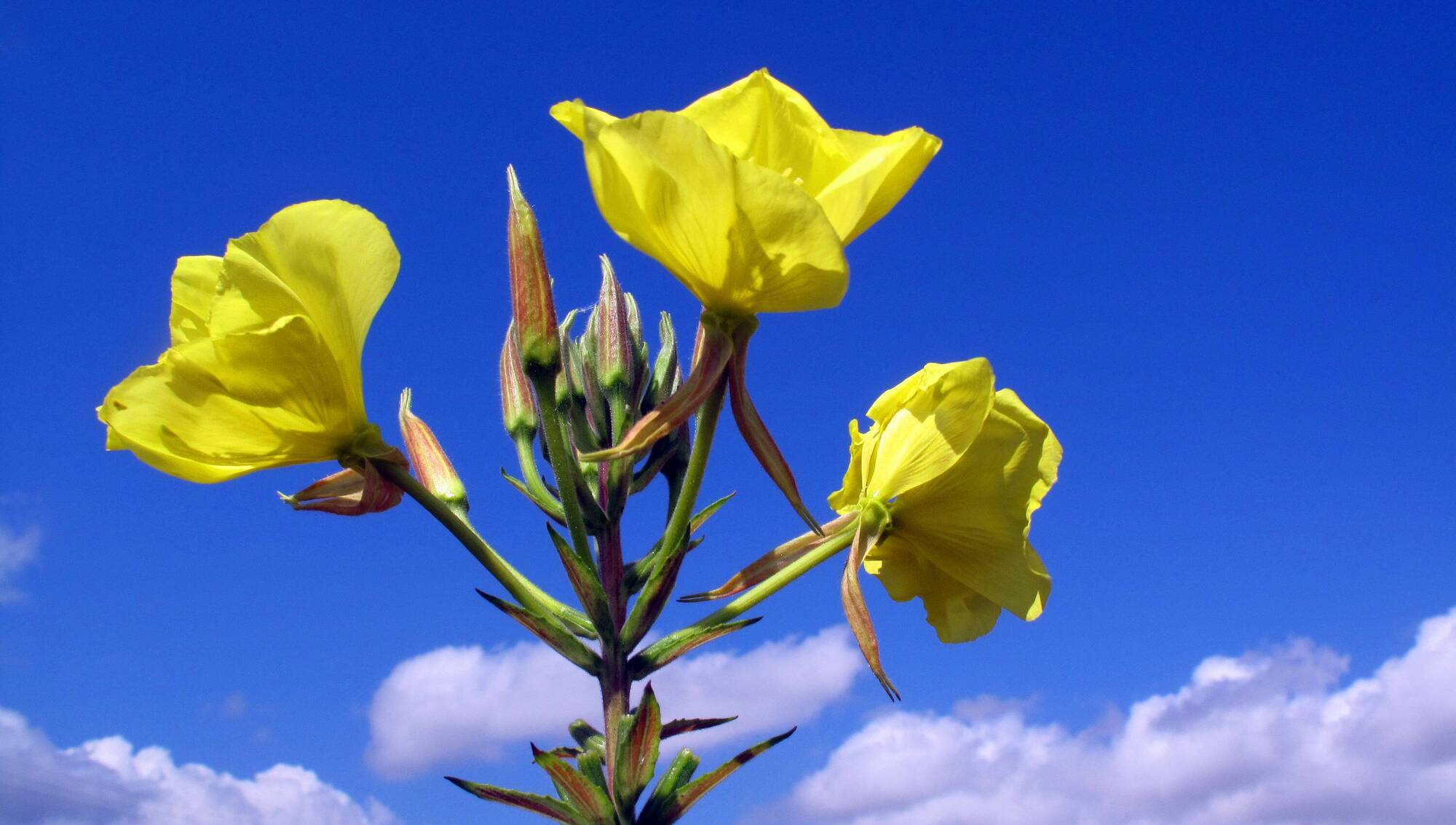
The large-flowered evening-primrose (Oenothera glazioviana) in flower. File picture
The plant growing in your garden is most likely the large-flowered evening primrose, or Oenothera glazioviana, a striking, non-native, sun-loving, hardy biennial hybrid species that has a habit of popping up in newly established gardens unannounced, especially in coastal parts of the country where the soil is sandy/stony and free-draining. It flowers in its second year, producing 1.5m to 2m tall, long-lasting spikes of acid yellow flowers from July to October that are loved by pollinating insects, especially moths and butterflies.
Garden birds, especially finches, like to feed on the seeds in late summer and autumn. Evening primrose oil, which is extracted from the seeds, also has a long history of traditional use in the treatment of a variety of ailments from multiple sclerosis to PMT.
While its origins remain cloudy, it seems likely that the large-flowered evening primrose originally arose in Europe in the 1800s and was then cultivated as a decorative garden plant. Its common name comes from the fact that the yellow flowers open quite late in the day.
Despite your husband’s fears that it will become invasive, I think this is unlikely. Instead, evening primrose typically behaves in Irish gardens as what’s known as a pioneering, non-persistent colonising species that can often appear in large numbers in the early years of a garden but then gradually disappears as other plants take over. As such, it’s included in Invasive Species Ireland’s Amber List (Invasivespeciesireland.com), and is considered relatively low-risk in terms of its potential negative impact on native biodiversity.
The large-flowered evening primrose spreads mainly by seed, which it produces in great profusion, so if you do decide to minimise its presence in your garden, make sure to deadhead the faded flowers quickly before the seed pods have a chance to properly ripen and spill.
Look out also for its overwintering low rosettes of foliage, which form in the first year before the plant flowers in its second year, and use a sharp trowel or garden spade to dig up any that you don’t want, making sure to remove the deep taproots to prevent them from reshooting from the base.
- Got a question for our garden team? Email gardenquestions@examiner.ie


CONNECT WITH US TODAY



Be the first to know the latest news and updates