Creative curating: Hacks and techniques for finding framing and displaying artwork
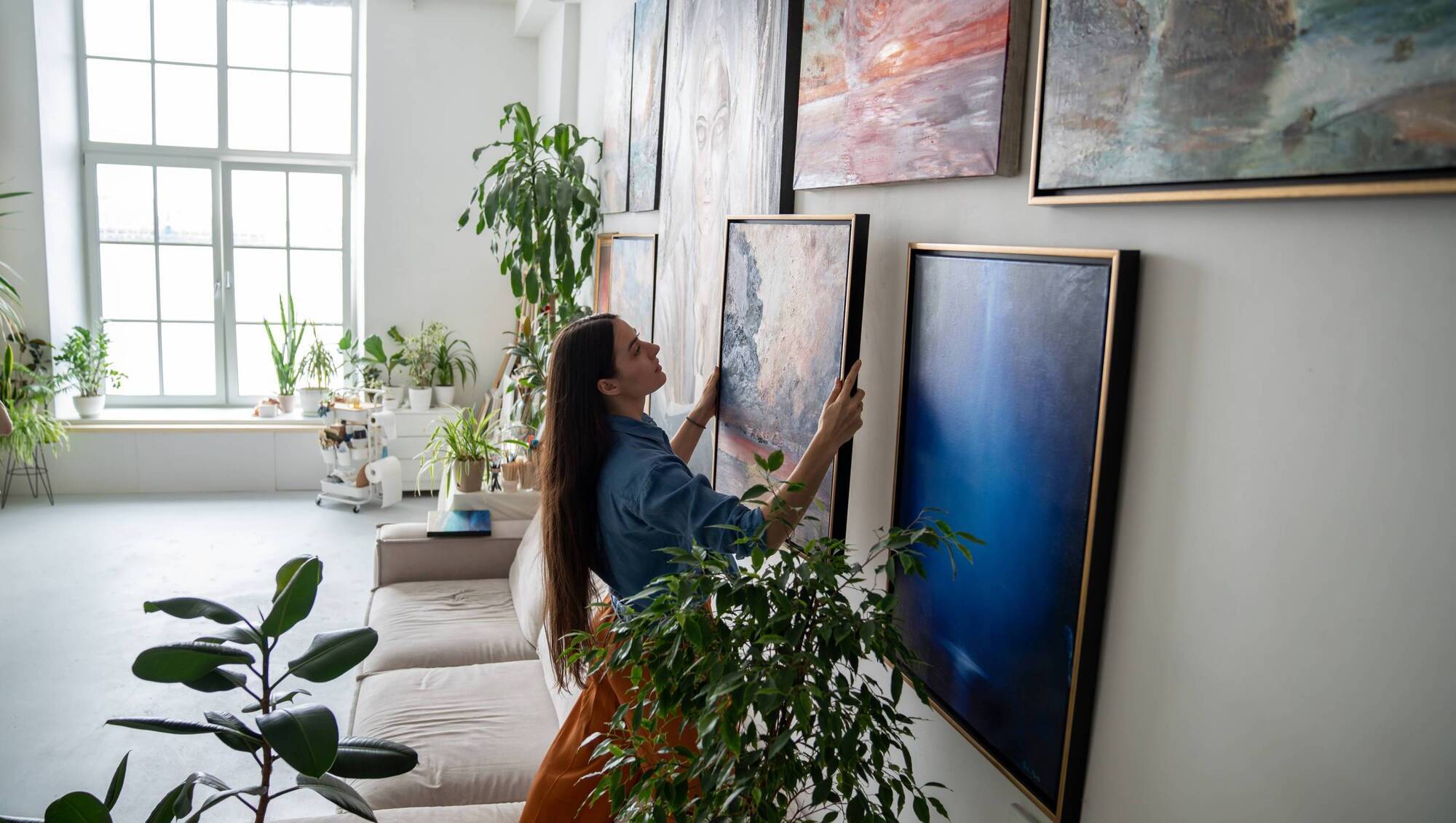
Grouping artwork is an enriching, creative moment to enjoy. Ensure your wall fixings match the weight of the piece. Picture: iStock
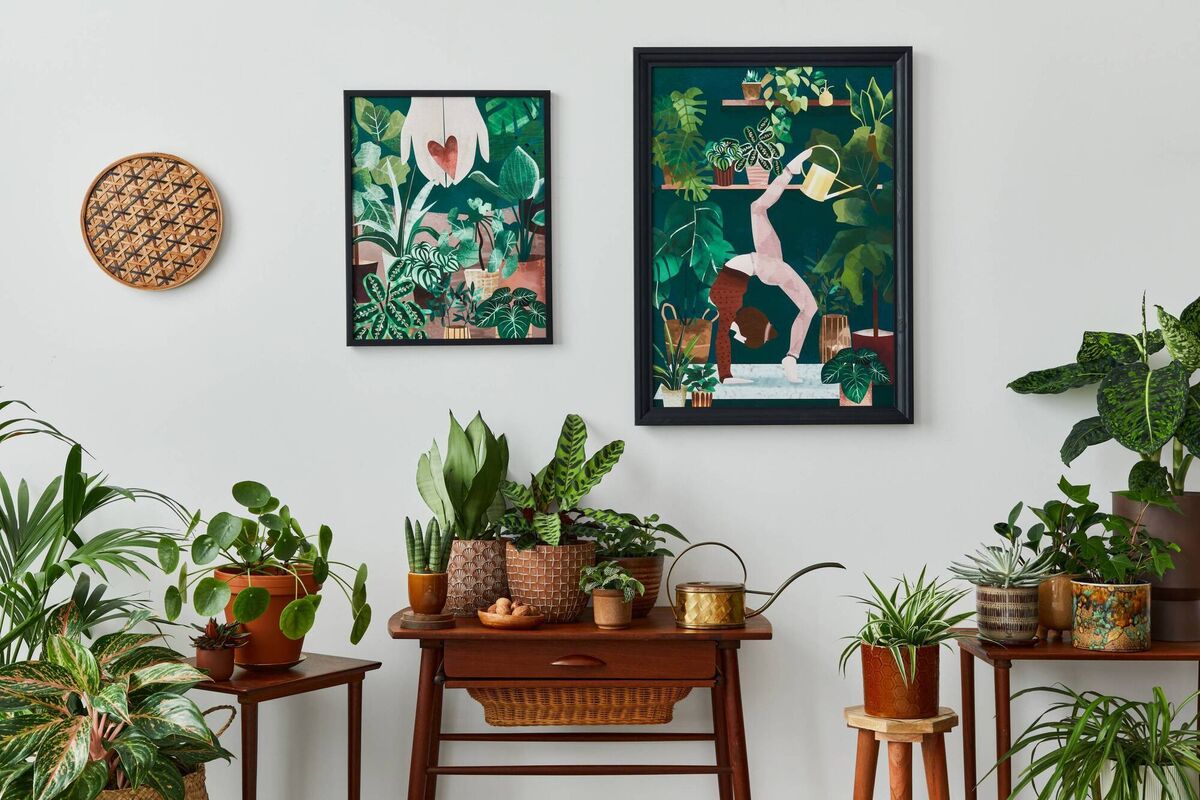
If the trend tellers of interior design are correct, this coming year aesthetically is destined to be — more is more, less is a bore.
Truly terrified or completely dissatisfied? It’s time to put walls to work with simple, trending hacks backed by proven design principles to let your artworks fly up everywhere. There are so many cheap cheats for absolutely any budget. We’re going to plan, plan, plan before taking out the drill or hammer/drill/wall-plugs or sticky hooks to that plaster or plasterboard.
The hunt
Taking your first try at decorating a home of any size or type on a budget? Apart from picking up pieces second hand, affordable, fine-art giclee prints on canvas, and original artworks (when you can afford it) — online digital art archives are an absolute treasure-trove. Many of the world’s great galleries and museums have what’s termed an “open access archive” that includes celebrated works from their collections available to download and print. Keep in mind that, produced on a typical ink-jet printer, these pieces will fade over time (they are just prints, without any archival materials or paint). Some decorators use clear paste glue like Mod-Podge to “paint” brush-strokes over the print to seal, add depth, and a textural matt finish. Search for art under “public domain” or “creative commons”. The National Gallery of Ireland has over 3,000 high-resolution artworks at nationalgallery.ie.

Stir up a traditionally styled space with modern works of art, prints, and posters. Your children’s artwork from kindergarten up is a gift. Invest in some good clip-frames that will allow you to circulate those paintings and expressive crayon renderings regularly. These moments from their fleeting younger years will not only have an emotional hit but often look surprisingly modern and artistically daring. Kids are not stifled by our expectations around being “good” at drawing or painting. It’s all good, and seeing their work on show will boost their creative confidence.
Framed
When it comes to framing a piece — think about setting a small jewel of artwork in a big frame using the mount to isolate and focus on it. You can centre the piece, off-set it, or even place it down towards a corner of the frame. This makes the artwork appear more precious and brings the viewer in to see it at closer quarters. Ask your framer for positioning ideas. If you can learn to cut mounts cleanly and use flexible frame points or a small driving tool, you can make all sorts of disparate things go in there. A3 mount cutting sets with a board, cutter, blades, and ruler start at €35 on amazon.ie. Most craft shops supply pH neutral/acid free mount and conservation-grade tape. Cutting internal corners does take some practice.

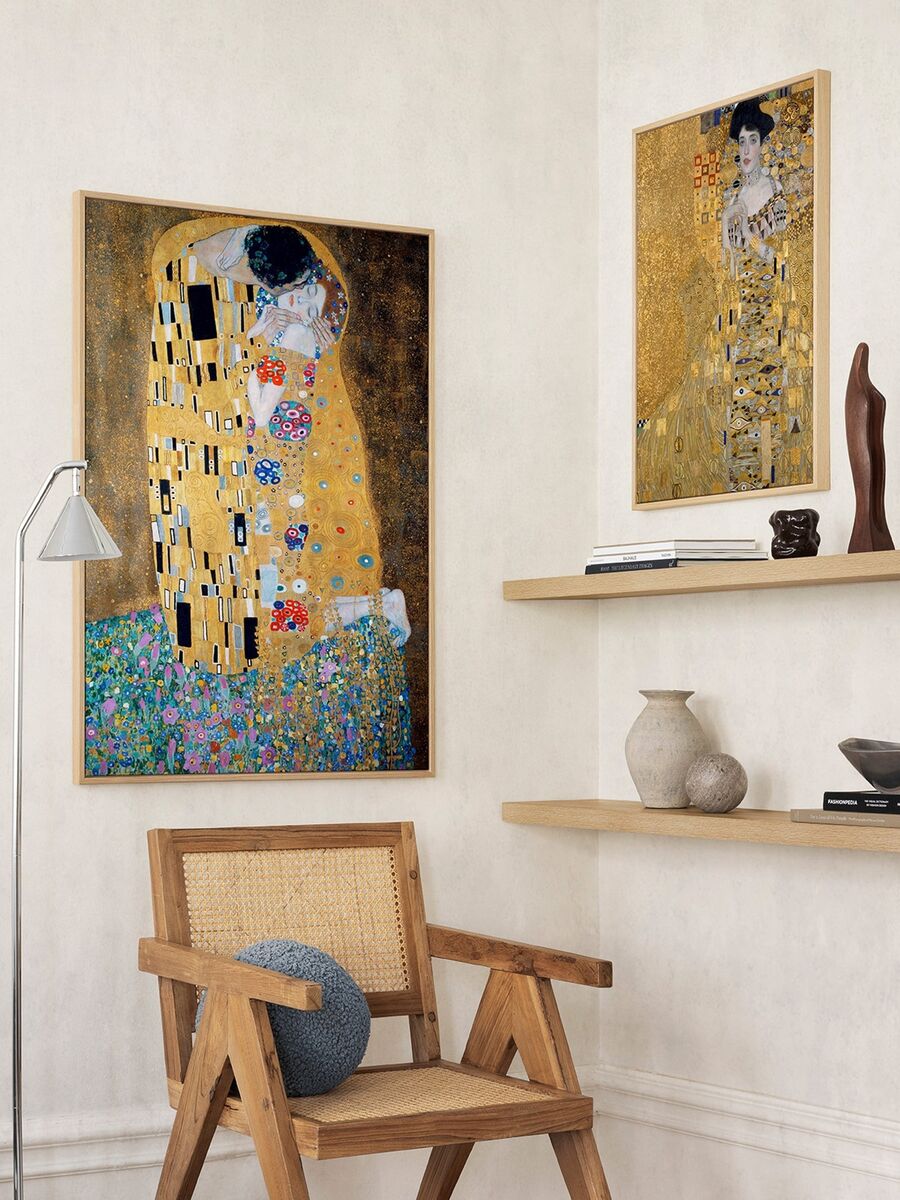
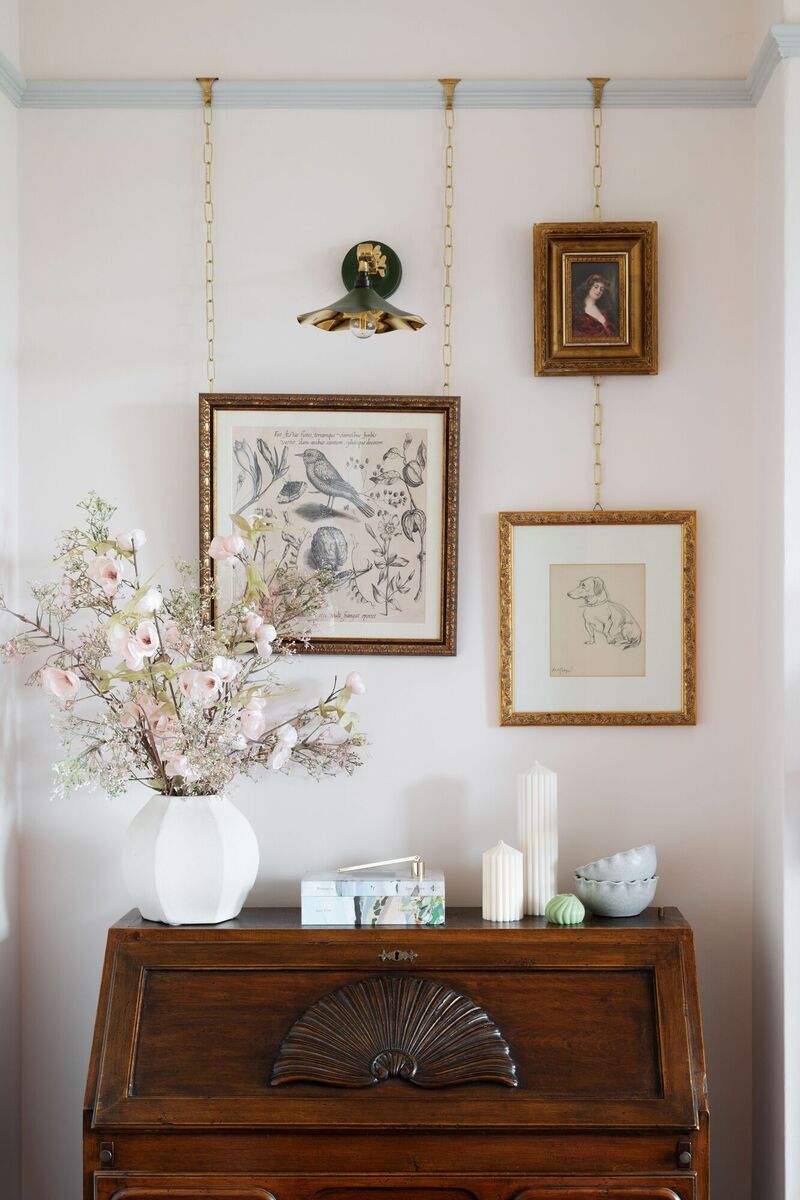
We can elevate an inexpensive thing in a grand frame. Grand old frothy frames can be at boot sales, auctions, and charity shops. Look for existing glass (expensive to replace) and mind your fingers as old, un-tempered glass is fragile. You can slip out the other artwork and reuse the frame for something you love that’s small enough, using a mount to make up any size difference. Temu and Amazon also offer cheap box frames and floater frames for canvas board if you’re arty. Box frames with some depth are fantastic for curating odd artifacts and dried flowers. Smaller frames can lean up on a shelf. Combine old and new, monochromatic and colour, and always, always include some gilded frames where you can. I prefer some stretched canvases without a frame and some beautifully carved old frames without any contents.
Hitting the wall
With placement, my primary advice is to take some virtual help. Upload an image of the wall and the single or multiple artworks you’re considering to an AI tool. A daily limited use of ChatGPT is free. The app can generate ideas for picture placement including optimal spacing in different arrangements before you pick up a nail. Newspaper templates are a more analogue approach but trusted by galleries for determining the position and spacing of groups. We’re working to keep cheap prints, photographs, and watercolours out of direct light and all artwork away from direct heat or blistering humidity.
Working around furniture, the lower your sofa back, the bigger the artwork. If you have low, long, louche sofa, balance it against a large, impressive piece of artwork — print, painting, rug, whatever. It can appear to fill the wall but be slightly shorter than the sofa width (3/4 is about right). Use several larger pieces in a group 5cm apart if you prefer. Blue painters’ tape is perfect for mapping your attack. Ensure nothing will be hit by a shoulder/head when you sit. 15cm to 25cm is ideal.
There are proven principles around hanging the centre of leading pictures at eye level. This would be one height for standing (around 150cm) and one height for sitting (around 110cm to 120cm) depending on how you are most likely to be looking at the artwork. Ignore this rule from time to time — trust the little gimble in your eye and hang it where it just has an intrinsic rightness to it. Layer other pieces on a lower shelf against a confident artwork on the wall or leaning into it. Fabulous. See my advice on fixings.

Horizontal gallery rods and picture rails/twine are trending at the moment. They are something of a marmite, so ensure that any eclectic approach to hanging the work does not steal the show and overwhelm smaller, more delicate pieces. Fastening pieces on wire, be careful not to damage the frame, and secure the picture from swinging. Hanging rods are highly architectural. Deploy lightly. Consider horizontal timber battens to hang works on directly, painted the same colour as the wall. Stuck for room — take the gallery right up and over a doorway in an intimate room like a sitting room or bedroom.
There are multiple ways to hang a group, some more stiffly symmetrical than others. With a group of different sizes, put them on the floor and start by placing the largest one at the centre using your height guide (see above). Then work out, keeping in mind the breadth and height of the wall you have to work with. Be wary of hanging a single item or a group too high — the most common mistake of all. The same picture frame in repetition can offer a pleasing rhythm, but interrupting the line of the wall with various heights is often more effective.
In your dining area or room, create a theatrical backdrop with a huge picture, hung at a level that can be enjoyed while sitting down (again, about 3/4 of the size of the table or a sideboard will be fine). Pictures are often overlooked as ways of anchoring function zones, seating areas, and balancing with a group of furniture to elevate a dull space. You can hang pictures over really busy wallpaper, just ensure the work and the wall treatment are not fighting each other for attention.
Final tips
Most pictures look best flat to or floating level off the wall. I always pop a couple of slices of cork under the bottom edge of mine, to hold them exactly where I want them, creating a nice little shadow, and ensuring they don’t ever rattle and go crooked on the wall. Secure the cork with a little Blu Tack held out of sight on the reverse of the frame. Before using any stick-on hook, check its load rating.
Authentic spaces generally do not carry just the art typical of their principal era, they have an accrued collection of stuff from multiple generations. Combining classical and contemporary creates a pleasing tension, and it’s tension that makes many interiors interesting. Try a ceramic or textile with a painting in a vertical group from different stylistic families — a classic composition that draws the eye upward.
Light your best pieces. Yes, you can have something wired in by a Safe Electric professional, but you could also use your existing ceiling lights, an angled spotlight, or use a USB-charged wireless unit. Look up cordless ArtGlow lights — just €40 a piece (depending on supplier). They have an adjustable colour temperature, a minimalist disk or bar form, remote control and look far more than the money. Just drop one onto the top edge of the picture frame or screw into position.
CONNECT WITH US TODAY
Be the first to know the latest news and updates