Working from vans converted into tiny offices transformed our lives
Have a look inside the vibrant vehicles motoring into multirole duty as mobile workspaces and discover how it's done
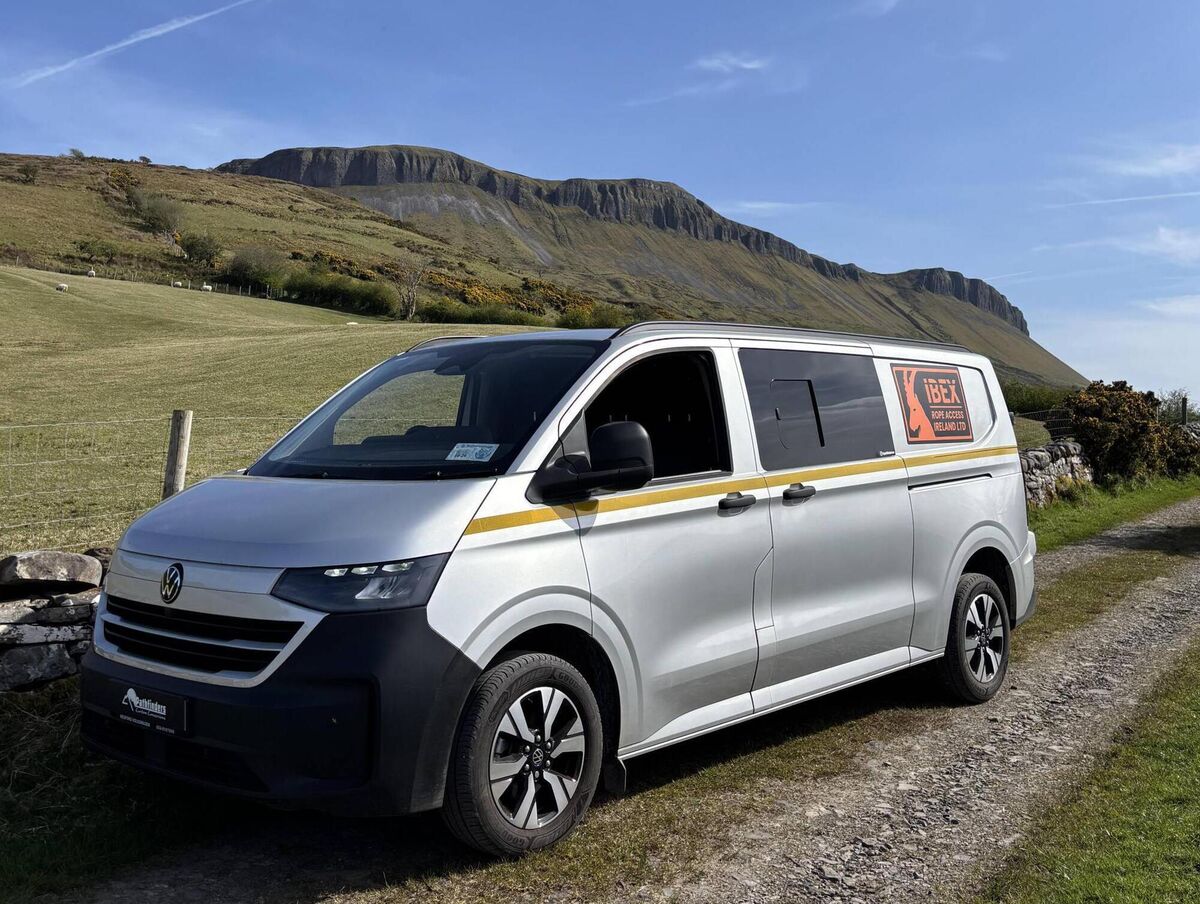
Inside the tiny office owned by Stewart Roberts.

Inside the tiny office owned by Stewart Roberts.

Regular readers will be familiar with my tiny campervan, a Nissan Serena that was converted from a seven-seater minivan into a micro-camper by the fabulous Pathfinders in Co Leitrim. A few weeks ago, I received an email from a reader who is researching micro-camper conversions with a view to creating her own mobile art studio. She wanted to know how I had found my Serena, and whether I had any advice on choosing and converting such a vehicle.

Converting a micro-camper

I needed a minivan because my street is tiny and parking is limited, so a full-sized van was not an option. I spent quite a while researching which minivans were suitable for conversion, and landed on the Nissan Serena as its boxy shape and flat floor lend themselves well to a conversion.

I found videos of previously converted Serenas and liked what I saw. 

It’s roomy inside, but has a very neat wheelbase, so it fits fine on my tiny street; and it’s a hybrid, so it saves me on fuel costs even when I’m ferrying all my camping paraphernalia around. It’s not the only option, but it has worked well for me. I bought it off the lot from a car dealership in Limerick.
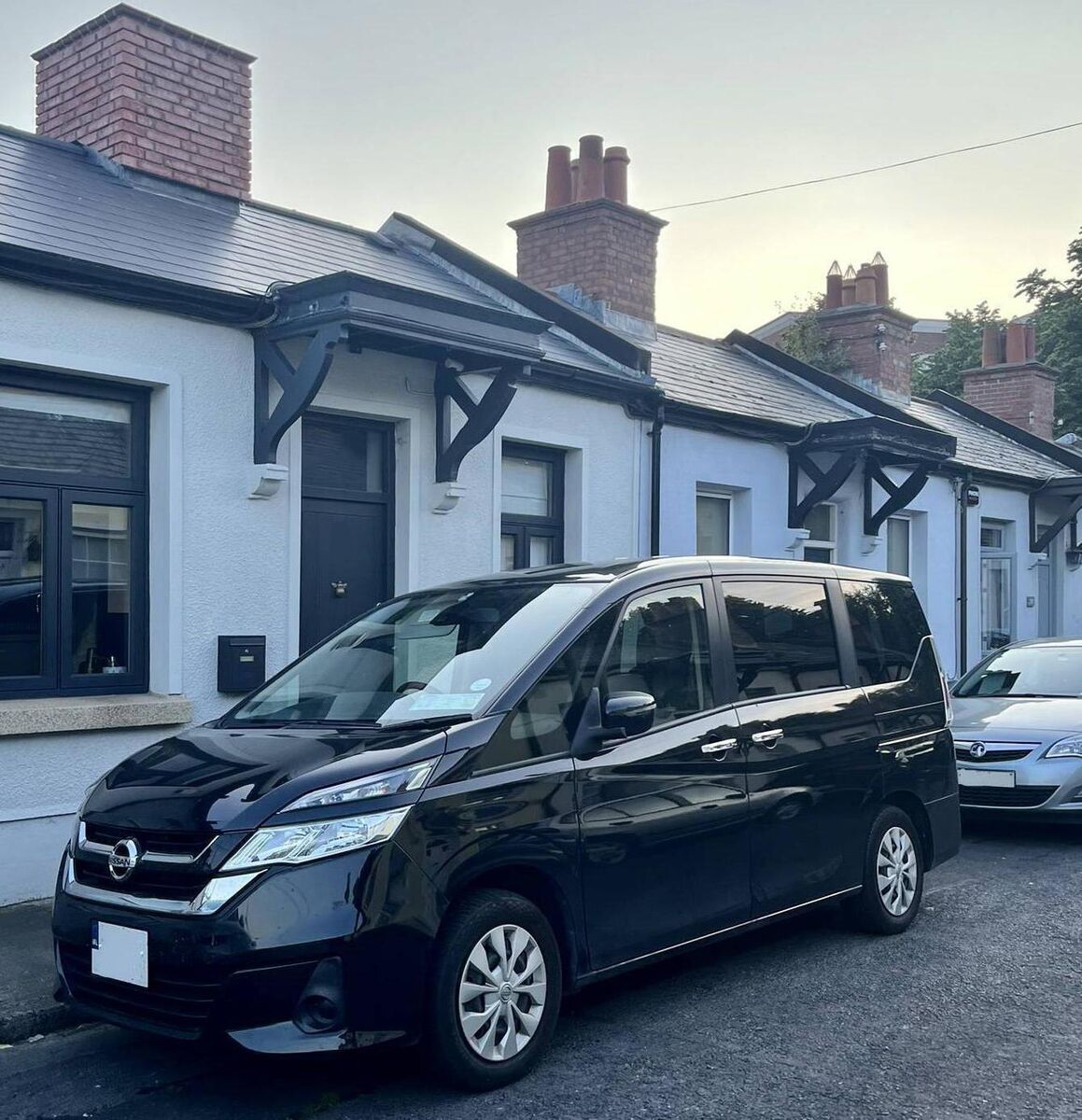
Jennifer Sheahan can park her micro-camper easily on her street. 

I did struggle to find a van conversion company in Ireland to take on the challenge. I contacted quite a few who said they wouldn’t know how to approach converting such a small van. 

Then I found Pathfinders in Leitrim. They relished the challenge, were creative and collaborative in their approach, and did a fantastic job.

Beyond campervans

I love the idea of converting a van into a mobile art studio, and I think it could work with this vehicle. What a fun and creative idea. Reader, if you do it, please let us know how it goes! 

The question also got the Home team thinking about the broader possibility of van conversions, beyond campers, into mobile workspaces. I’ve done a version of this myself.

When I’m on the road and need to get some work done, I park up somewhere scenic, set my laptop on the little table, and write away happily. 

But I wanted to speak to people who had converted vans into purpose-built offices, as opposed to a campervan with a table. So I contacted Pathfinders, and it turns out they’ve done quite a few projects like this. They put me in touch with two clients who converted their vans into mobile workspaces.

The man who held a staff meeting in his van

Stewart Roberts is managing director of iBEX Technical Access Ltd, a company that specialises in carrying out specialist rope-access inspection, repair, maintenance, and construction work. 

It’s a job that takes Stewart to many different sites. 

He was spending hours driving back and forth to an office, or hunched over a laptop on his knees in a lay-by, and was getting sick of it. 

Sound familiar?

The tiny workspace-on-wheels owned by Stewart Roberts.

His first move was to buy a second-hand 2007 VW Transporter campervan — not to convert, but simply to try the concept out for a year at a low cost. “It was brilliant,” he says. 

It gave time back to him, showed him what worked, and crucially, helped him figure out what he actually needed. Only then did he invest in a proper conversion.
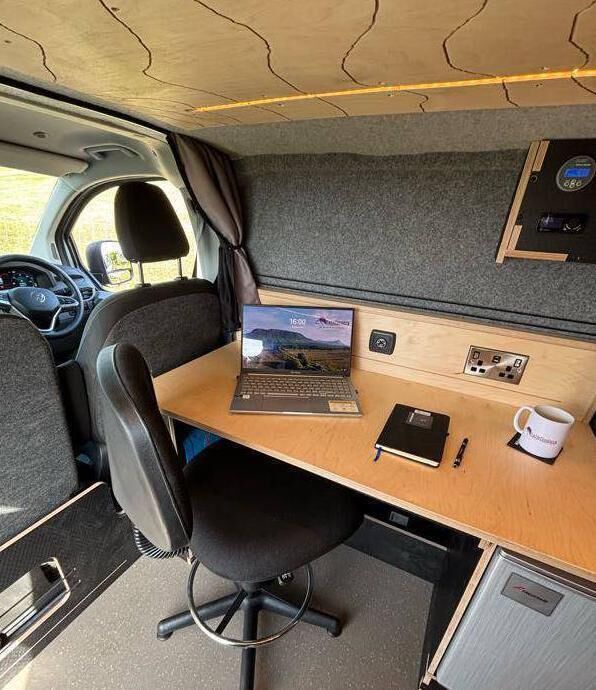
Where a traditional campervan dedicates most of its space to sleeping and cooking, Stewart wanted the opposite. 

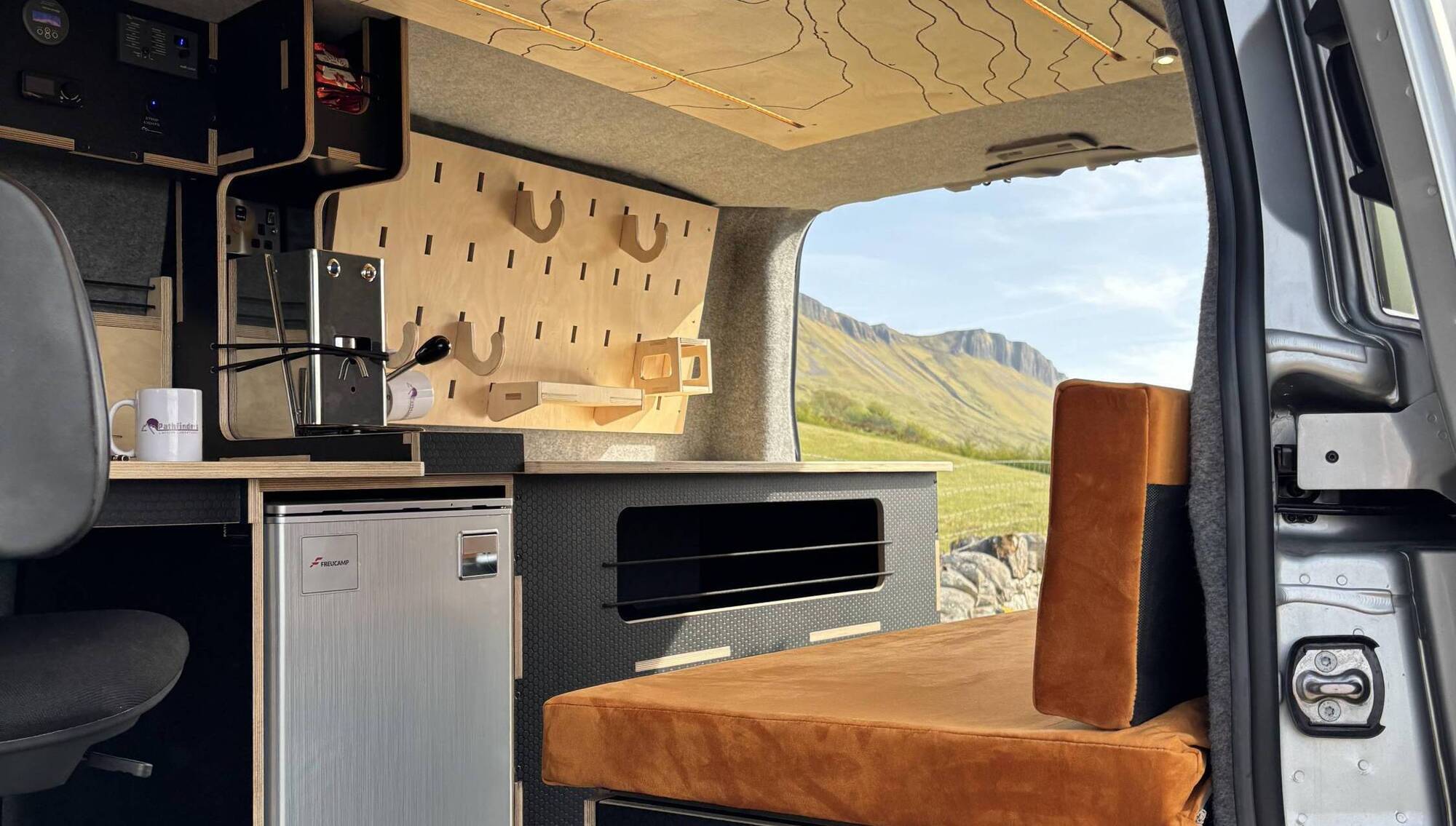
His brief was function first: A simple, well-organised storage area, a large screen on the wall, somewhere to make fresh coffee (crucial!), and just enough space to sleep occasionally if needed (sleeping comfort was knowingly sacrificed in favour of working space).

He has a heater, a good window for natural light, a solid battery system that charges as he’s driving (I have the same setup myself), and for internet, he has had no issues using mobile data.
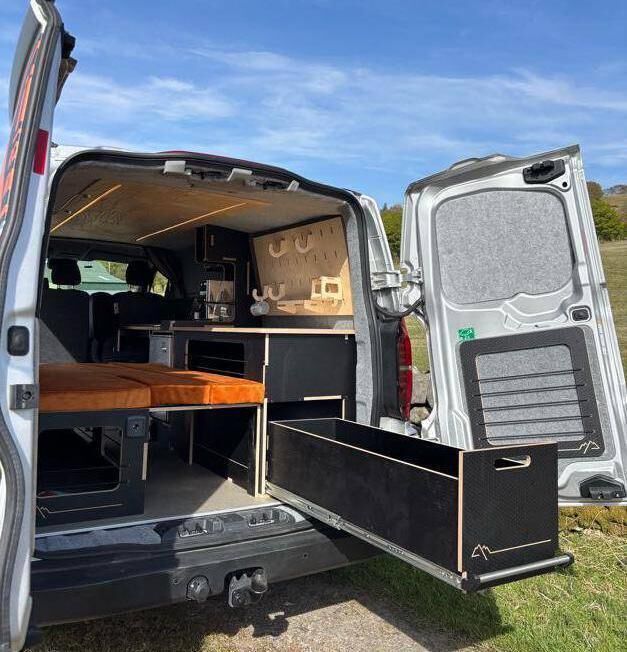
The tiny workspace-on-wheels owned by Stewart Roberts.

The outcome has been significant. He saves considerable time, no longer burning hours in transit between sites. 

He has even held a staff review meeting in the van.
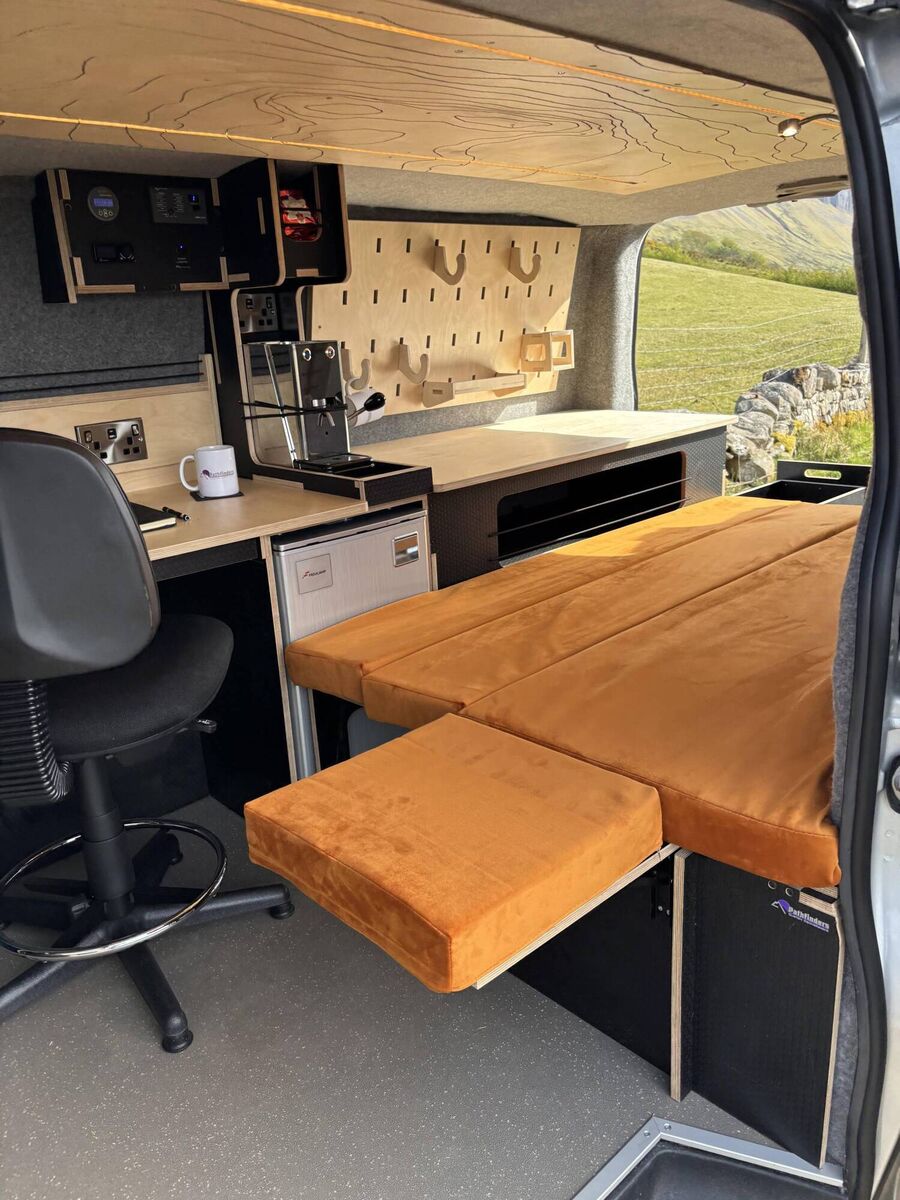
Interior of Stewart's mobile office. 

His advice to anyone considering something similar is to think hard about ergonomics: “You’re working in a space smaller than the box room in your house, so layout is everything.” 
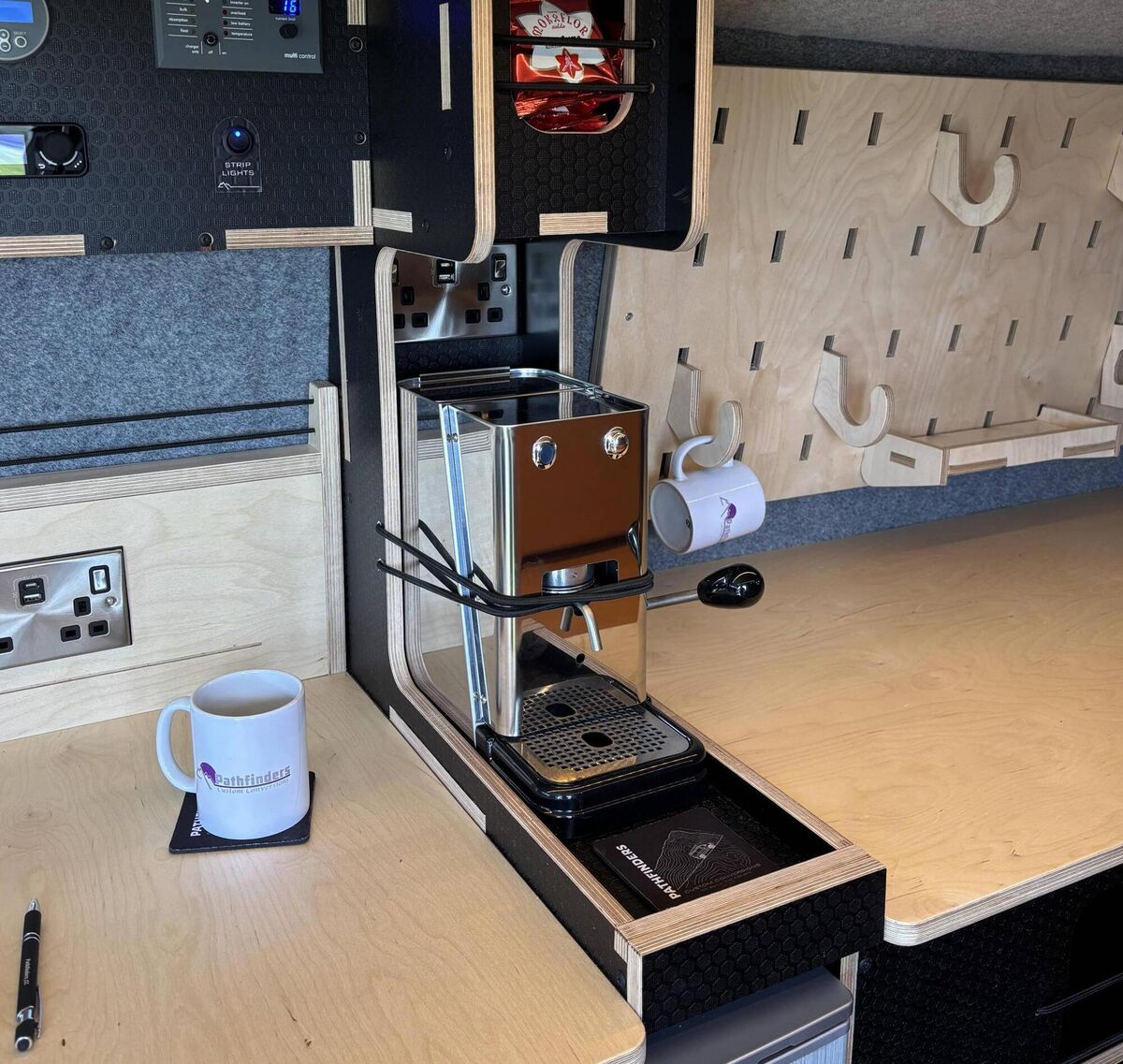
Stewart's workspace.

Stewart strongly recommends working with professionals and being guided by their expertise rather than trying to design it yourself from scratch.

The man who ditched his home office for the road

Hugh O’Daly is the director of Atticly, an attic conversion company, and his frustration was slightly different. 

He was spending too much time driving home to price jobs or review and annotate drawings — doing it on a laptop balanced on his knees wasn’t cutting it. 

On top of that, his home office was taking up a whole room in his house that could be better used for other things.

He’d been mulling over the concept of a mobile office for years, he says, but everyone around him told him he was mad. 

Now, he reports, everyone wants one. 

Hugh saw that Pathfinders had completed a mobile office conversion for a network IT company and got in touch. 

His setup includes a proper desk, a printer, multiple screens, a small fridge, and a seating area towards the back.
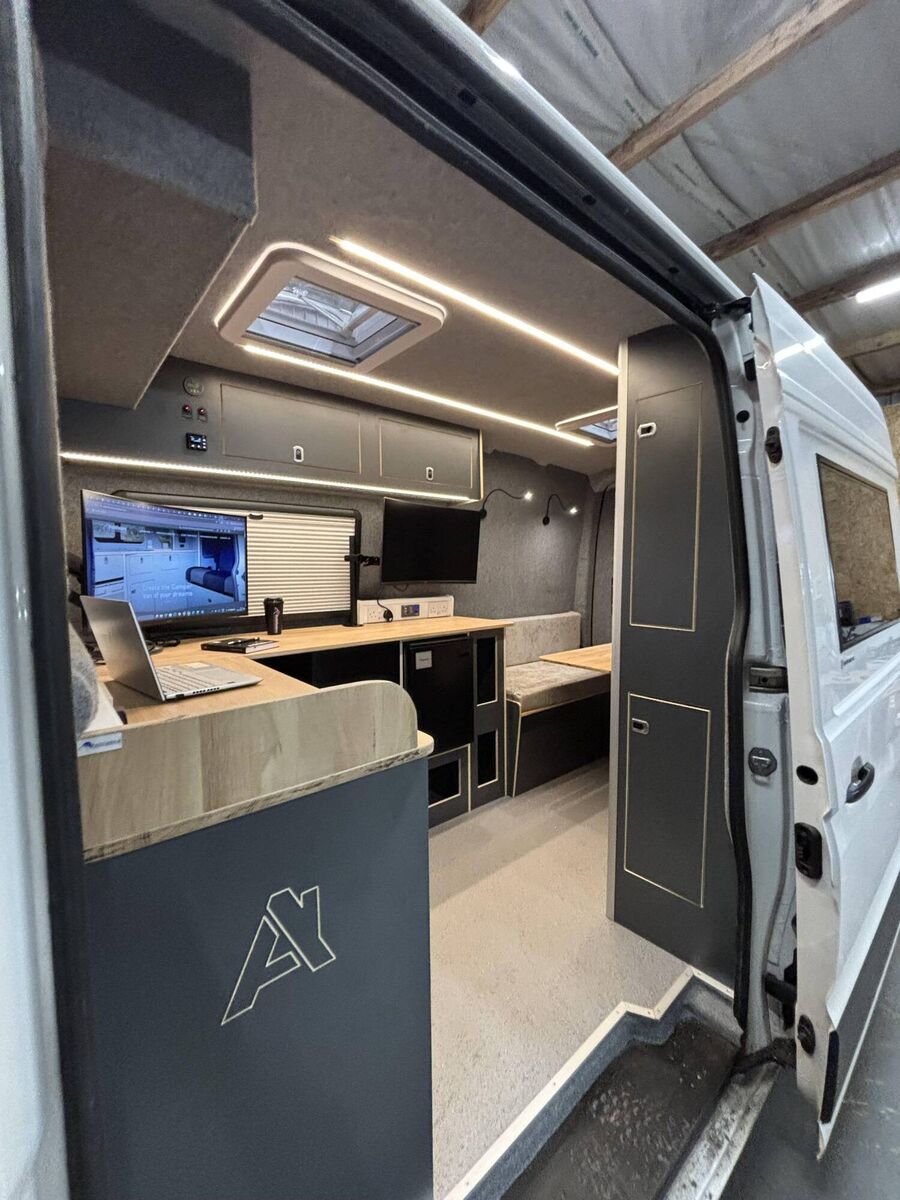
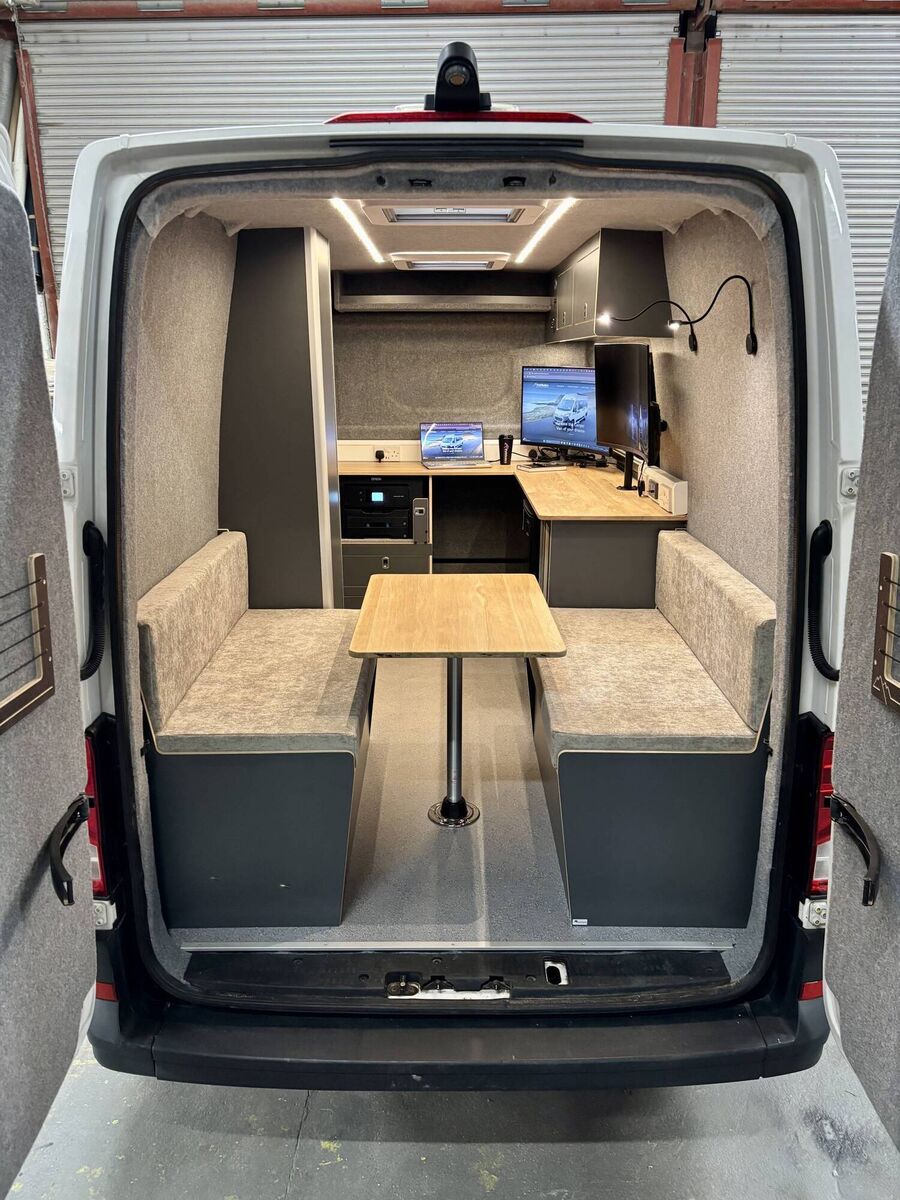
Slide the doors to see Hugh O'Daly's mobile workspace set-up.

He planned in a meeting space to sit with a foreman, though in practice he rarely uses it — it’s the desk and the tool storage that earn their keep every day. 

Power similarly comes from a battery that charges while driving. For internet, he also uses his phone as a hotspot, with Starlink as a backup option when needed in remote spaces.

“Everything is bolted in,” he says. 

All I have to do is close my laptop and put it in the custom shelf, then drive away. Everything is fixed in place.

 What a satisfying level of organisation, even for those of us who aren’t using our vans as offices. 

Hugh says he can now drop the kids to school, work for a few hours (somewhere with a view when possible, with the doors open!), and be home in plenty of time for dinner — without paying rent on office space or giving up a room in the house.

A look inside Hugh's office-on-wheels. 

His advice mirrors Stewart’s in one key respect: Design for the function your van will actually serve, day in and day out. “Don’t fall into the trap of adding things you won’t use often,” he says. “If it’s primarily an office, design it primarily as an office.”

Hugh also deliberately chose a mid-wheelbase van for ease of parking — a practical consideration that’s easy to overlook when you’re caught up in the excitement of planning a conversion. 

And like Stewart, he says to take professional advice seriously: "Other people will have lots of opinions, but only you know what you actually need, and the professionals can translate that into reality for you."

Could it work for you?

Both Stewart’s and Hugh’s mobile offices were born out of frustration over wasted time, wasted space, or both. Their vans were the perfect solution, and both say they couldn’t live without them — they will never go back. 

If you spend a lot of time on the road for work, or if your job takes you to different locations and you find yourself losing hours in transit or working in uncomfortable conditions, it’s worth at least thinking about.
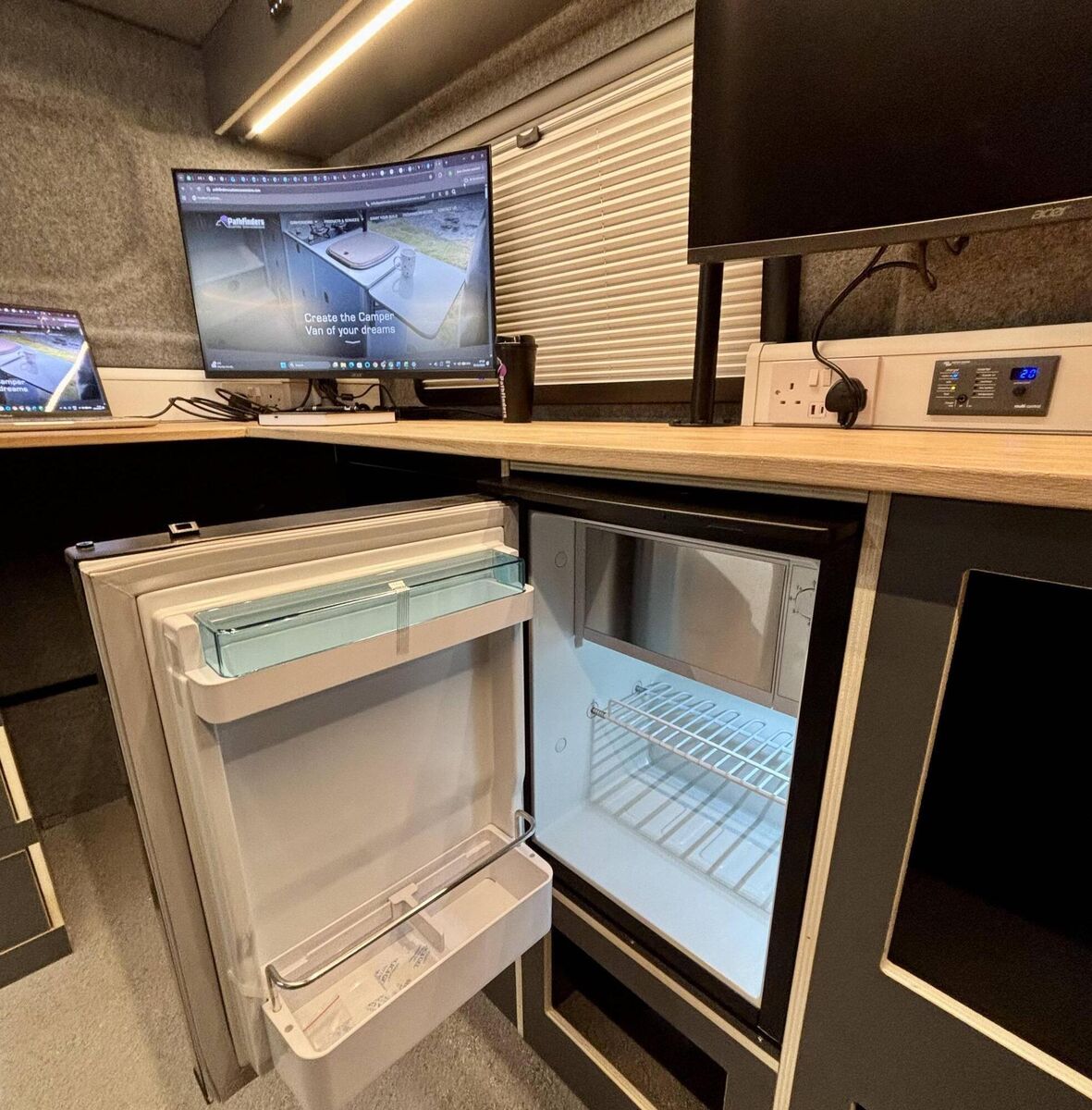
Interior of Hugh O'Daly's mobile workspace.

As for a mobile artist’s studio, the same principles remain. Design for what is needed in the space, and work with experienced professionals to bring it to life. I am not an artist, but I would imagine a studio would need plenty of natural light, custom storage for materials and finished products, enough height to work comfortably, and certainly a coffee maker (or drinks fridge!). 

If it were me, I’d install a pull-out awning and find camping furniture that would allow me to work comfortably outside, too.

Pathfinders in Leitrim (Pathfinderscamperconversions.com) does custom van conversions, including mobile office builds, and as far as I know, nobody does it better.

x

More in this section

Revoiced

Newsletter

Had a busy week? Sign up for some of the best reads from the week gone by. Selected just for you.

Cookie Policy Privacy Policy Brand Safety FAQ Help Contact Us Terms and Conditions

© Examiner Echo Group Limited