Window vacuums: the clear choice for your spring-clean arsenal
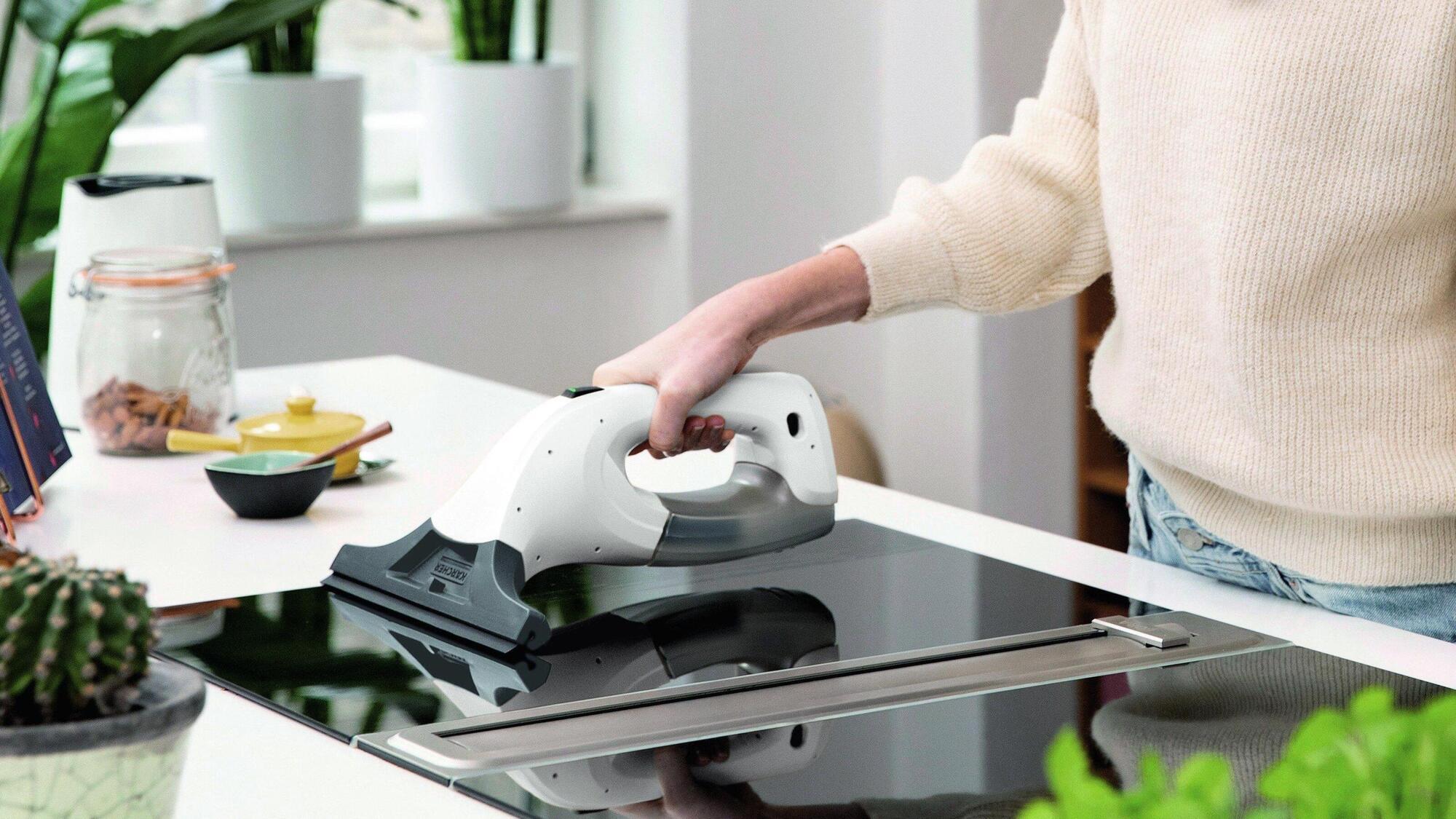
Smooth kitchen surfacing? Ensure it's cool and go to work to lift your final no-rinse solutions. Karcher WV1. From €48, suppliers nationwide.
Yes, window vacuums are fantastic for taking the rinse water off panes, especially outdoors. They all but eliminate the muscle and dexterity required to repeatedly swat the water away with a microfibre cloth or newspaper. However, priced from €40 to around €100, these super-squeegees do so much more. We’re not cleaning with the vacuum; it’s just a moisture remover, but those keen, silicon blades are a wonder. Remember to dump the reservoir regularly as it’s a vacuum and not actually a very sophisticated mechanism. The more liquid in the tank, the less power you will have in hand.

My first and favourite hack is the induction hob — in fact, any flat glass hob will benefit here. Ensure the blade of the vacuum is immaculate before starting, as a single bit of grit could cause a scratch on your pricey Bora. When you clean the hob, be it a typical flush model or a new generation invisible hob, the window vac will shine up the surface in a quick swat. Obviously, when using the vacuum, the hob should be completely cold (there’s a rubber edge on the vacuum) and all debris, muck and oil should already be cleaned off, leaving just the rinse water. Once you’ve started using the vacuum on the hob, you’ll notice the surrounding counter is also left streak-free.
If you have a disastrous spill on hard surfacing (think a pratfall with your coffee on the parquet), together with throwing down cloths and using the mop, the window vacuum can be swooped into the pooling liquid and emptied repeatedly. Just don’t do this with a pet accident. Yikes.
If we’re dealing with a glossy black laminate counter, or black marble, blots and cloudy highways on the surfacing will be a soft-swear moment of every day. Clean the counter as usual and try your vacuum for the final finish. You can press the rubber edge right into corners and where the splash-back meets the worktop. Polish any remaining marks with a dry, scrupulously clean microfibre cloth.
Read More
So, now having bumped into the tiles, we can use the vacuum here too. I would advise you to clean the tiles overall with a non-bleach solution and to treat dirty grout with the detail tool of your steam cleaner first. With larger tiles, we are buffing the main planes of the tile with the vacuum, and this works equally well in the bathroom. Guide it only over wet surfaces, the machine will stutter and shake.

Glossy doors, often used for kitchen cabinets, storage walls and wardrobes, can also be dried quickly and effectively with the window vacuum — just don’t over-wet unsealed surfaces and vulnerable joints and edges.
All the glass in bathrooms and elsewhere will benefit from the vacuum, so take off your shoes and socks if you have a shower cabinet and give the glass a typical wet cleaning down with the shower head and your favourite solution. This is better for a really wet clean rather than a maintenance spray – 10:1 water/vinegar works perfectly, otherwise try an after-shower spray for a well door or panel — my favourite is by Astonish, Shower & Shiner €1.49 for 750ml. This beads the water and soap scum, allowing it to flow straight off the glass. It really is astonishing, and a must-have for any grubby student accommodation interrupting your life. Otherwise, replace the squeegee with the vacuum, using long overlapping strokes and working into corners. You can pick up the last bit of water and cleaning solutions left in the shower tray as you flit out of the enclosure.

Now that we’re in the wet areas of the house, it’s likely some of you are still battling condensation as the weather warms up. Some homes with cold northerly aspects and centrally heated rooms can have dribbling windowpanes indoors year-round. Condensation management is another perfect moment for your little window vacuum. Run it over glass and sills regularly to collect some of the moisture that’s a burden on air quality, creates a perfect environment for black mould to thrive in, and, running into the materials, can destroy timber window frames over time. If you have gloss-painted sills, pick up the pooling water with your vacuum and finish with a light buff of a microfibre cloth. Think about “burping” the house daily for just a few minutes to improve air quality. Identical to the German practise of luften, we just throw the windows wide for around 10-15 minutes, creating a cross-draught if possible, using windows on opposite sides of the room or between two rooms on the floor we’re on.
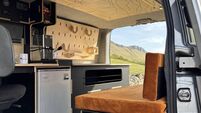
I am a lifelong camper, and everyone I know who rambles regularly in a van or motorhome has a window vac. Whether sleeping overnight in your camper/car or a six-berth, use it to clear off the inevitable condensation from all windows, including the windshield, each morning and after creating humidity when cooking. You can even use the vacuum on tenting if you’re pitched up for a few nights or trying to pack up a wet tent. I use the vacuum to clear water from the tiny toilet/shower-room in the camper, too — much easier than straddling a wet floor with a towel (leaving you with a wet towel), and it’s great for a few swipes over a clean but wet floor. Some machines offer interchangeable nozzles for added versatility.

Outdoors, don’t forget the vacuum for the car. It’s vital to ensure the blade is immaculately clean and clear here. Run a finger through the two ribs of the blade, as one bit of grit could “key” the paintwork.
Pooling water on your plastic or composite garden furniture? Swipe the seating and the tops of the tables down with the vacuum, letting the sunshine do the rest. Travel with a microfibre cloth tucked into the tie of your piny, and buff what the wide blade does not reach. Washing outdoor furniture down, the vacuum will quickly lift cleaning solutions off any material, including raw wood, which can get furry, soft, and damaged with too much liquid attention. You can also use the vacuum on the greenhouse if your ventilation is not matching the work the building is doing, but ultimately (like all ventilation issues) address the problem to increase air-exchanges.
When buying a machine, there’s plenty of choice from brands including Karcher, Beldray, Tower, Bosch, Black & Decker, and various dupes. I’ve stuck with Karcher as I’ve used a variation on its original window vacuum for decades without problem, only giving up after a serious drop or shredding the blades. Its WV6 is my best buy (from €82) as the battery lasts up to 100 minutes or 300 sq m of standard service. I like the silicone “lip” blade design, which really clings to the surfacing. It comes with a handy spray bottle with a little microfibre cleaning pad to rub off stubborn dirt — just add your favourite (no-rinse) cleaning solution. An LED light indicates the remaining power. There’s 20ml of glass cleaning concentrate included in the package price, too. This is a slightly larger model. Carrying the machine over your shoulder height, as it sucks down moisture, it will gather a little more weight.
For campers, my choice would be the nimble, compact Bosch GlassVac Solo with a shape targeted at vehicle and home windows, 100 minutes of running time and a swift 135-minute recharge; from €80. For this or any machine, check the size, the hand comfort, the charge time, the run time, and tip-toe through some real customer reviews. Charge times are long (3-4 hours), so prioritise a machine with a reasonable run time.
Verified reviews on Trustpilot reflecting several months of use are my go-to when buying any appliance. Otherwise, refer to product-specific reviews, easy to find on merchant sites and Amazon.