Home Q&A: Your guide to replacing windows, and grants available to help pay for it
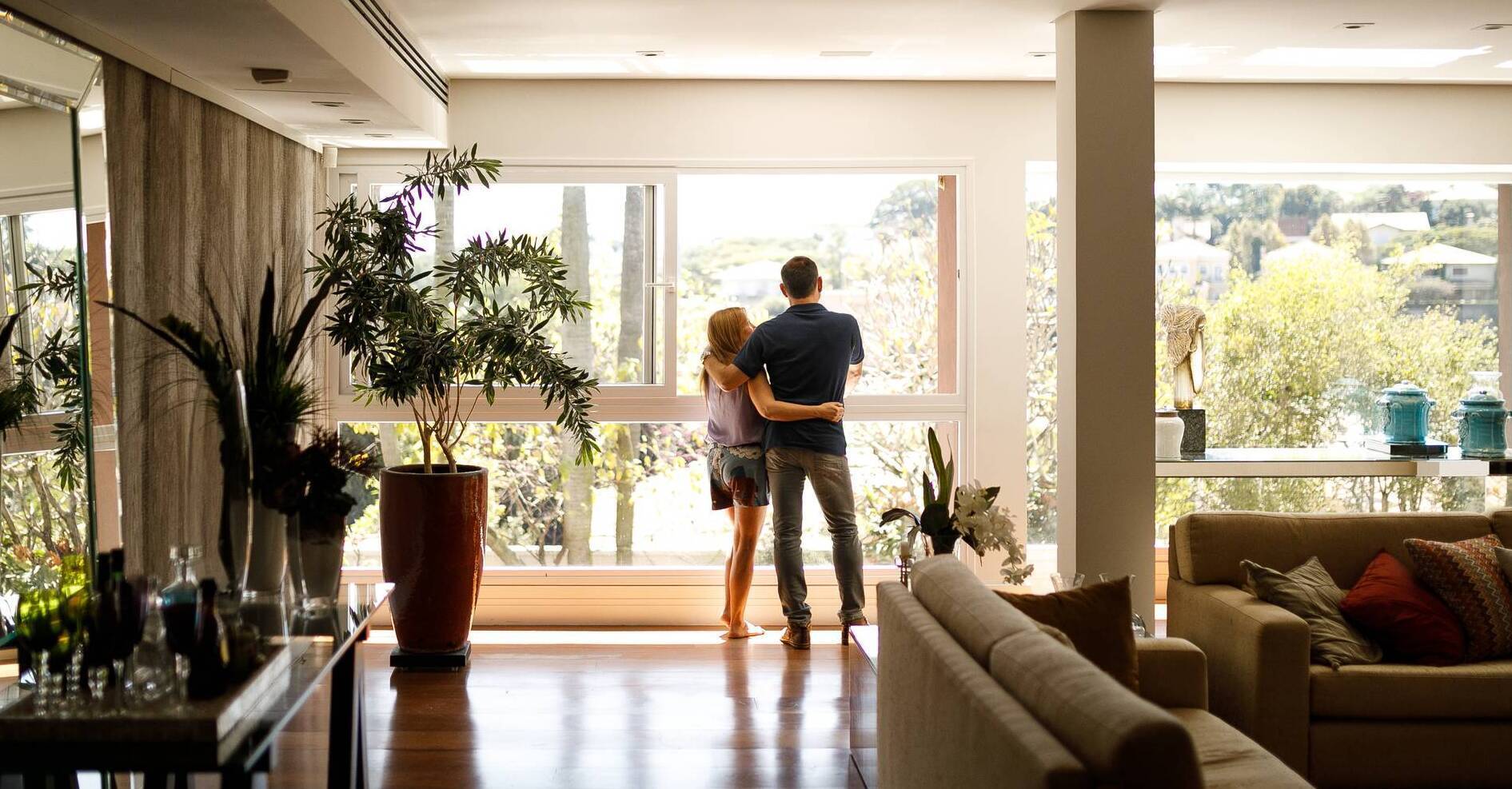
Replacing windows is not just an energy-efficient upgrate but provides a security boost and aesthetic refresh too. File pictures
Following the introduction of valuable window and door grants to the SEAI’s Independent grant awards, it’s difficult to turn on the radio without someone touting an aluclad wonder window or double-glazed glory. The grants are retroactive, maxing out at €4000 for a replacement in a detached home, and offering €800 for each of two replacement doors.
In some instances, your supplier (from the SEAI’s registered supplier list of one-stop-shop — OSS — or registered contractors) will clip the grant off your up-front costs and redeem the grant to their firm. At , we’ve had a number of contacts from readers regarding whether or not to replace the old, double-glazed units with new, so here’s an introduction to whether replacement is worth consideration and how to shoulder the expense where it is.
The most dramatic difference in comfort levels and a jolt to a BER will be created moving from single-glazed windows to triple or high-performance double-glazed units (U-value of 1.4W/m2K or better). With rattling, draughty wood or metal frames, clinging on with atrophied putty, single-glazed windows are familiar in heritage homes.
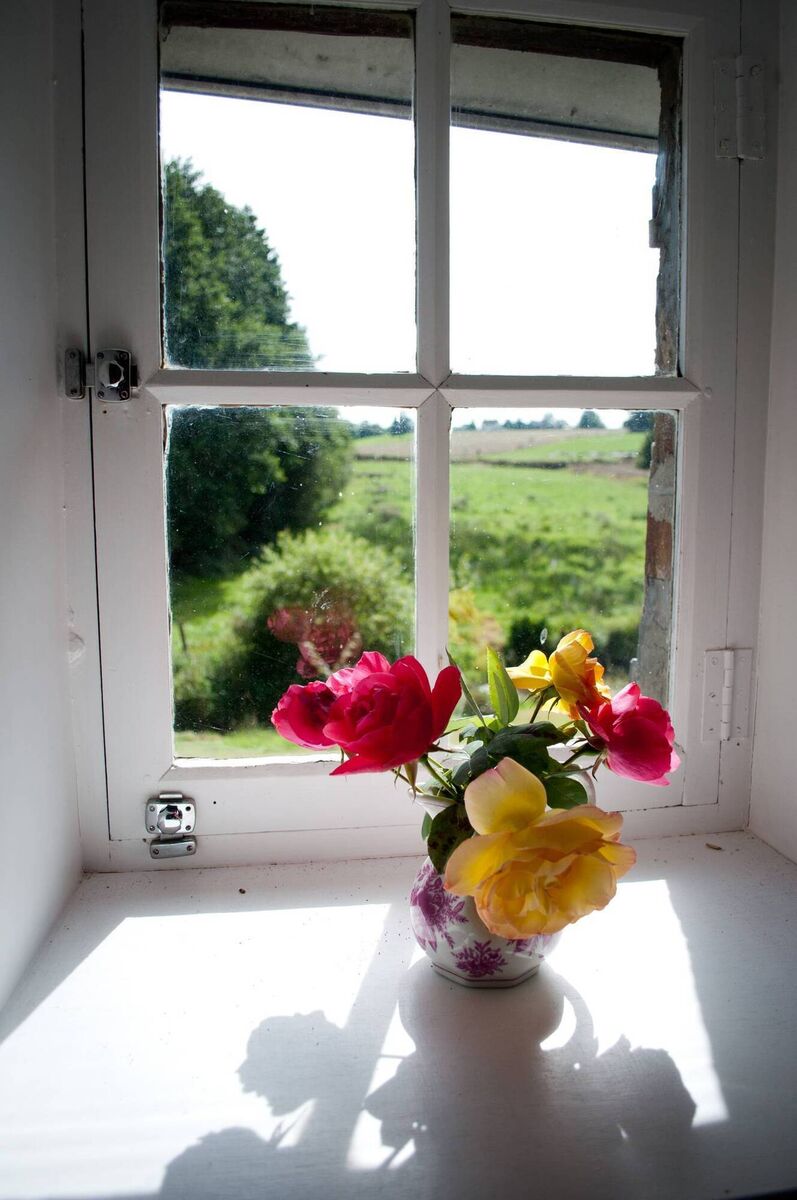
The higher the thermal transmittance or U-value, the worse the window (glass alone or the glazing/frame and spacers given as Uw). Single-pane glazing can offer U-values of 4.8W/m2K or higher. Living with this original character is a challenge. Householders can claim the SEAI grant for window upgrades for the original part of a house or for extensions built before January 1, 2011.
If you have commenced or ordered a window and or door upgrade since the government announcement on January 27, you may be eligible to apply for SEAI grant support if you used an SEAI-registered contractor.
Pulling out relatively modern double-glazed units, which are well maintained, weathertight, and clearly in good order where the home’s envelope is otherwise well insulated, energy savings are likely to be nominal.
What we do have is the opportunity for transformative, aesthetic change and security upgrades.
Judging old double-glazing, there are some outward signs that the units are compromised. If there’s misting between the panes, the seals retaining the air or argon are shot, and the window’s structural integrity is suffering — its energy efficiency is compromised, and the original U-value on any old certification is moot.
If the window frames are warping, sticking, broken and held together with faith and silicone — again, it’s time to go.
Data technology specialist GEOWOX (Dublin) has published a report showing a dramatic 27% difference in the median sale prices of comparable homes recorded on the Residential Property Price Register, based on their BER readings (Q4).
Despite this fascinating market analysis, there are many variables in terms of age, condition, location, and the nuances of any property sale.
The banks have got involved with mortgages now scaled to offer those buying and renovating homes to a B2 a better interest rate. This has created real anxiety for homeowners, recognising that future-proofing their homes is not just a new kitchen.
The clear desire of buyers for warm, dry homes with lower utility bills is cleaving our property market into distinct tiers. Comfort should be the first thing on our minds, rather than the resale value of the property balanced on the back of a BER result alone.
When dealing with older double-glazed or early triple-glazed windows, a BER assessment (if you don’t already have one) will give you a better understanding if your windows and exterior doors have a reasonable U-value, or whether their replacement is called for. With a BER Advisory Report in hand, we also have that essential heat-loss indicator (HLI) number. The figure given on the DEAP software uses a default U-value for the window type and installation year.
In 2006, for example, the U-value at the time ranged around 1.5W/m2K-2.2W/m2K. If you go grant-aided, the SEAI says, “A post‑works BER is required after new windows and doors are installed, and this is grant‑aided. New windows and doors meet the required U‑values — 1.4W/m2K, or better.
This is confirmed on the declaration of works form. The property must meet a Heat Loss Indicator (HLI) value of 2.3W⁄sq km or better, or the attic and walls are noted as “good” or “very good”. This indicator will be in your post-works BER Advisory Report.” (See seai.ie.) Replacing all the windows in the home is a big investment. SEAI grant aid could nip off anywhere from 30%-40% of the cost of a total replacement. This must be a total replacement of all windows to qualify.
The SEAI regards sliders and French doors as doors, not windows, and (don’t fret) — you will certainly not be awarded money from both grants for the same door. Utilising the Vacant Property Refurbishment Grant scheme, your QS will advise you how to balance your grant awards here to gain the most benefit. SEAI grants can be combined with the Vacant Property Grant where they don’t cover the same elements.
Window prices vary between €300 and €1200 per unit, depending on their size, framing material, any low-e coatings (to lower passive solar gain), overall efficiency, any design complexity, and branding.
There may be additional builder’s costs and redecorating expenses. If you’re facing a bill of €20,000 for new windows for a large, detached home, savings and/or a green loan with a good rate of interest will be vital. If you qualify for the SEAI window grant, explore the home energy upgrade loan mechanism, which syncs with the Better Energy Homes Grants through many banks and credit unions throughout Ireland. There are some T&Cs here.
Critically, you need to boost the home's BER by 20% using these loan-aided improvements. Twenty-five per cent of the amount you borrow can be used for other changes to your home (including solar panels, not supported as a stand-alone project). The loans are pitched at 3% to 5%, with no security or personal guarantee required. Depending on the financial institution’s terms, you can pace this over 10 years.
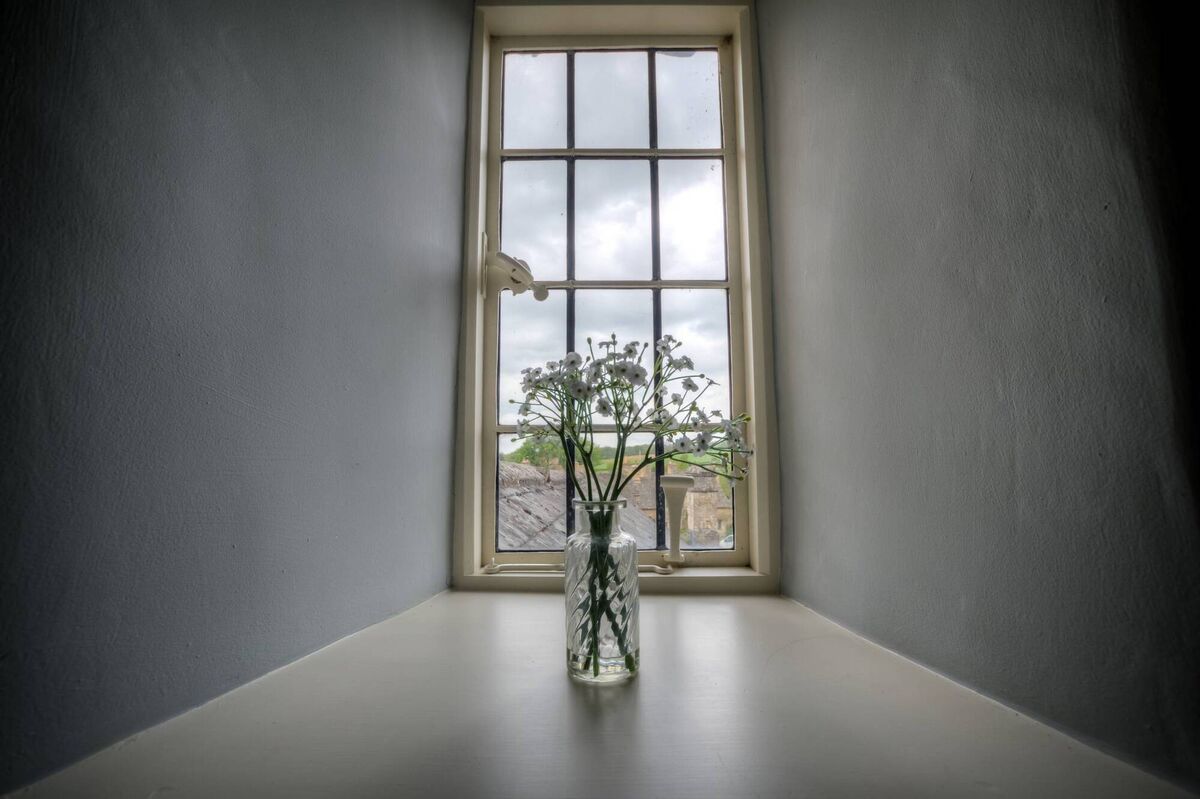
There are glazing solutions for vernacular properties, and many owners honouring original detailing will shell out for pricey conservation work to save rippling old single-pane glass and centuries-old sashes. However, here’s the rub. Unless the building has or is being holistically renovated to a certain level of energy performance (throughout the walls and roof) on completion, many homes built before the 1940s with solid masonry or single-leaf concrete walls may not qualify for the SEAI window and door grant.
The grant is only available if you have adequate attic and wall insulation or are in the process of installing it. This can be an expensive moment where standard wall insulation is not suited to guarding the moisture-permeable construction type of an old house.
I would direct anyone caught in this dilemma to look into the SEAI traditional homes pilot scheme (Seai.ie/grants/home-energy-grants/one-stop-shop/traditional-homes) and, in parallel, to seek support, trade connections, advice, and insight through the Cottageology group on Facebook. This is a brilliant resource steered by passionate advocate Imogen Bertin, encouraging more people to sympathetically renovate, restore and preserve traditional buildings.
Are there alternatives to established glazing issues if you don’t qualify for the SEAI grant to rip out all the windows and frames? Certainly. First of all, you could replace the worst offenders on, for instance, the north or windward side of the house to start, making incremental improvements as you can afford to. Retain all the specifications, certification, and records for this work for future BER inspections.
If your frames are in good structural condition and amenable to repair (window seals, hinges, and locks), there is also the option of saving a solid, stable frame but replacing the double-glazed or triple-glazed unit with a new, sealed glazing unit.
This is obviously something of a money-saver, and Energlaze suggests 50% less on new windows with standard frame designs.
- Got a question for our Home team? Email home@examiner.ie

CONNECT WITH US TODAY



Be the first to know the latest news and updates