Home Q&A: How smart spending in a renovation saves you money
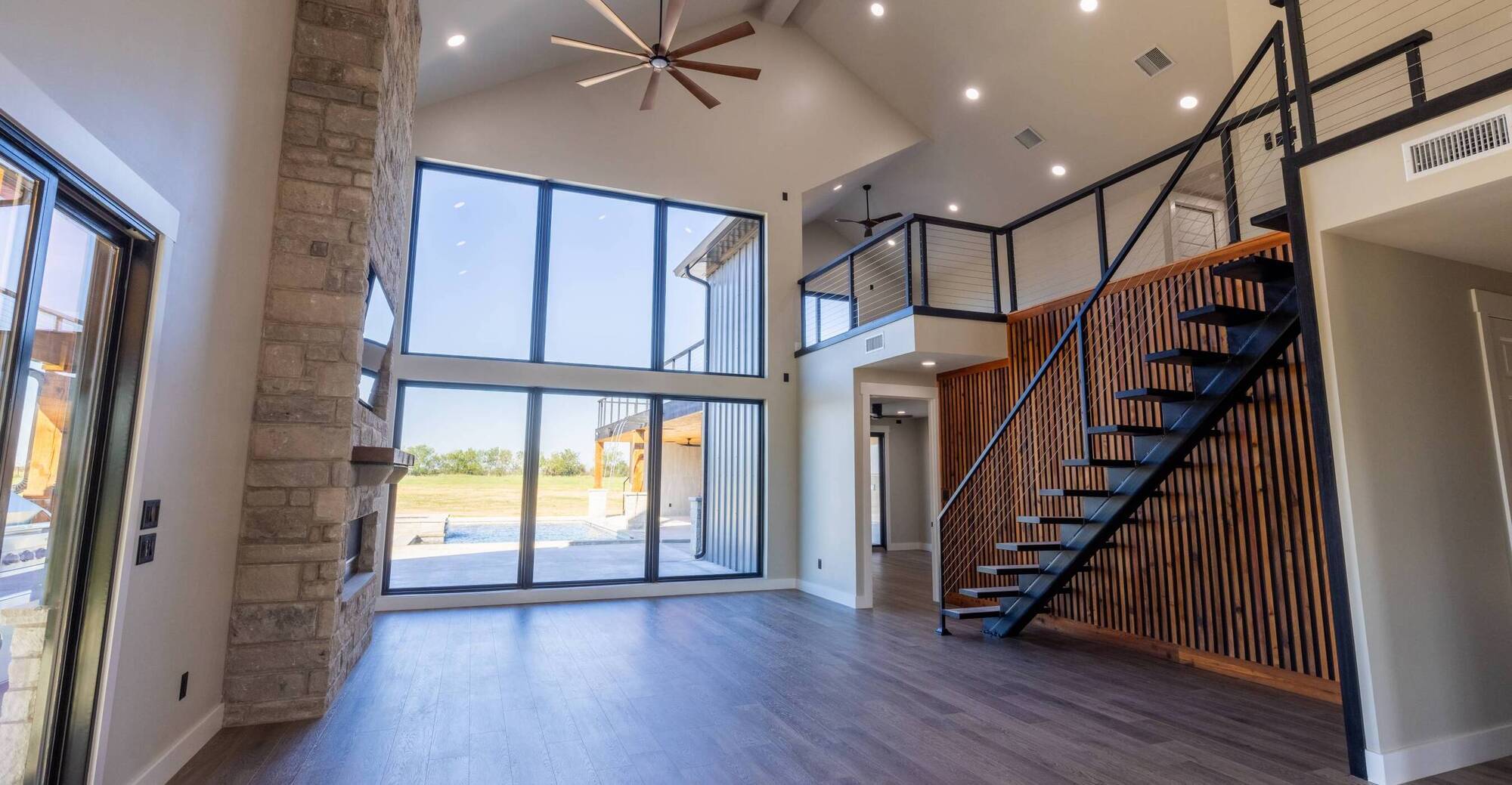
Plan wisely when renovating so you you're not doubling your outlay down the line, writes Jennifer Sheahan
Home Q&A: How smart spending in a renovation saves you money

Concentrate on the 'invisible' costs, like plumbing and heating, writes Jennifer Sheahan. File picture

How much does it cost? This question seems to be an impossible one to get an answer to when it comes to spending money on your home. I can’t answer it for you either, but I can give you pointers on how to make sure you’re spending it wisely. 

When you do a full renovation your contractor generally sets the plan, but if you’re doing piecemeal upgrades it’s difficult to know where to start. 

If you’re in your home for the long term and you’re planning to make upgrades, then being smart about what order you do things in can save you from spending twice.

Always do the invisible work first

The biggest mistake people make with phased upgrades is starting with the visible stuff — new floors, new kitchen doors, beautiful tiles — only to realise later that the plumbing needs replacing, or the electrics need upgrading, or the house needs better insulation. If you are improving your home gradually, think in layers.

First: structure and fabric. That means insulation, windows, roof, damp issues, ventilation and heating systems. These are the annoying upgrades, with no visible payoff, but they are the ones that will save you money long term — better insulation and heating efficiency will reduce bills every single month.

It pays to invest in invisible work first, such as heating, insulation, wiring and plumbing.

Second: services. If you know you will eventually renovate your kitchen or bathroom, consider whether any plumbing or electrical upgrades can be done in advance, even if you leave finishes as they are for now. Adding additional sockets or water connection points before you redecorate is far cheaper than chasing walls later.

Third: finishes and aesthetics. These are the easiest to phase and the easiest to change again.

When in doubt, invest in what is hardest to undo first.

Invest for returns

Not all upgrades are equal in financial terms. Some improve comfort but won’t increase the house value or provide long term savings. Others can do both. When in doubt, ask yourself what will impact your monthly costs. Energy upgrades are usually a solid investment. Improving your BER rating can reduce energy bills and potentially qualify you for green mortgage rates. Grants through SEAI can soften the blow, but scrupulously check the process and requirements in advance and always apply for the grant before works begin.

Windows, insulation, heating systems and ventilation upgrades often make sense early. A cold, damp home is expensive in more ways than one, and any cosmetic upgrades you make before addressing these will likely just have to be ripped again.

Kitchens and bathrooms do tend to add value too — but you don’t need to gut them immediately. Painting cabinets, upgrading handles, replacing worktops or improving lighting all go a very long way and can buy you time while you save for a full refit later.

Avoid doing the same work twice

Phased upgrades only make financial sense if you avoid rework. Before replacing floors, ask yourself: will I need to lift these when I redo plumbing or underfloor heating? Before painting, will I be rewiring soon? Before installing new radiators, will I eventually change the heating system?

If you’re unsure, consult a professional for a one-off strategic session. Paying an architect, engineer or experienced builder for a few hours of advice can save thousands in missteps. A small upfront investment in planning can protect your phased approach.

Be smart about temporary upgrades

Not every solution needs to be forever. For example, if your bathroom works fine but looks dated, you may be able to live with a cosmetic refresh for a few years. A new mirror, improved lighting, updated taps and fresh paint can transform a room for a fraction of the cost of a full refit. 

Flexible modular wardrobes like the Elfa system are perfect for temporary upgrades.

You’d be surprised at what an impact swapping out handles can have. Even tiles can be painted, and contact paper is excellent for a temporary refresh of surfaces such as kitchen countertops. Similarly, if you know you’ll eventually extend, avoid installing bespoke cabinetry in a room that may disappear — choose flexible, moveable pieces instead. There is no need to invest a lot of money — if you need to live with something for a few years, giving it a refresh is surprisingly easy.

DIY wisely

Piecemeal upgrades are often more DIY-friendly than full renovations. Painting, sanding, installing shelving, updating handles or sealing bathrooms can save significant labour costs. But plan carefully and know your limits. Plumbing and electrics should be handled by qualified professionals. Poor DIY in these areas can cost more to fix later.

Learning DIY skills can save money and is very empowering, says Jennifer Sheahan.

If you’re new to home maintenance, investing in a local DIY evening course can be very empowering — and cost-effective in the long run.

Collaborate to reduce costs

If you plan ahead, there are other ways to reduce upgrade costs that don’t involve compromising on quality. Talk to your neighbours. If several homes on your street need exterior painting, roof repairs, repointing, or insulation upgrades, you may be able to negotiate a group rate. Contractors save time by batching similar jobs. Skip hire, scaffolding and delivery fees can often be shared.

Similarly, if you’re ordering materials like insulation boards, paving or fencing, bulk discounts can apply. Even smaller things add up. If you’re clearing out for upgrades, share skip space with a neighbour rather than hiring two half-empty skips.

Create a realistic upgrade budget

Even if you’re not undertaking a full renovation, I still recommend planning a budget. List every planned upgrade over the next three to five years. Then assign rough costs and timelines. Having it all written out will let you see more clearly where you should invest, and with the advice above you can better plan the sequence of upgrades to avoid re-work and get the best value for money.

Wallpaper can be a great temporary fix; check to make sure it's breathable if you're putting it on old walls.

Create three columns: ideal version, mid-range version, and temporary fix. This mirrors the approach I’ve written about previously when budgeting for full renovations — but it’s arguably even more useful when upgrading in phases. For instance, perhaps your long-term plan is a full kitchen redesign in three years. In the meantime, a temporary upgrade might be painting cabinets, installing new lighting and replacing a tired splashback. That allows you to enjoy the space now without committing to expensive layout changes that you’ll undo later.

Always include contingency, even for small projects. Prices fluctuate and hidden issues have an annoying habit of cropping up when you least expect them.

x

More in this section

Revoiced

Newsletter

Sign up to the best reads of the week from irishexaminer.com selected just for you.

Cookie Policy Privacy Policy Brand Safety FAQ Help Contact Us Terms and Conditions

© Examiner Echo Group Limited