Why you shouldn't be afraid of the BER process

Adding value with every incremental improvement, even a modest BER bundled together with its Advisory Report may tempt rather than repel a potential buyer.
Why you shouldn't be afraid of the BER process

There are some changes that may coax out a better result from your BER survey, including LED lighting throughout the home. Vintage View. April 13. Picture: iStock

TALKING to agents on the ground, there’s a perceptible shift in buyer behaviour that should prompt every property owner to take stock of the energy performance of our homes. Getting a reading on the sustainable talent of your home starts with a Building Energy Rating or BER, the most commonplace (and cheapest) of energy surveys.

Those letters and numbers will be highly pertinent when it comes to selling on and could influence a buyer’s decision between comparable homes. 99% of homes built between 2020 and 2023 were awarded a BER in the As. For second-hand homes, a C or D rating would be typical. 
The BER is a legal obligation for sellers. The last published BER rating awarded within the last 10 years by a registered SEAI assessor must appear on the property specs. Yes, there is a narrow division of buildings that are BER exempt, but contrary to rumour, this does not include most period properties.

Property agent, surveyor and Chair of the Southern Region of the Society of Chartered Surveyors of Ireland, Majella Galvin emphasised to me recently that the BER is not a “footnote” on specs. “Today, energy-efficient homes are among the most coveted property types. That trend is only going to intensify, and it’s not just among first-time buyers lured by green mortgage rates. 

"Down-sizers are actively seeking safe havens which combine a blend of comfort, sustainability, reduced energy costs as well as a smaller environmental footprint. 

Knowing a property’s BER isn’t just a casual inquiry — It’s often the first question buyers pose. And a mere BER rating doesn’t suffice — what buyers crave is the comprehensive BER advisory report. 

This report isn’t just about numbers, it’s a guidebook, revealing potential enhancements that offer a roadmap to improving a property’s energy efficiency as well as an indispensable tool for future budgeting and planning improvements.”

Now Majella and other agents I have interviewed down the years have been quick to clarify that there are variables that will make one home more valuable than another. Location, size and a certain prestige set some places apart. With a certain division of large, second-hand executive-level homes in superb locations, a middling BER rating of C or even D, is not a major concern. 

There’s a wide range of grant-aided improvements available including the One Stop Stop mechanism to bring a property to a B2 rating or better in one bound. If the money is there to freshen up a very expensive house (the cost of works after SEAI grant aid for retrofitting a house falls into the area of €32,811-€40,408, depending on type). This work is often set into a much larger whole-house renovation budget.

When getting ready to sell, there are three instances in which we should prepare with particular attention for a BER inspection. The first is if you have a lapsed BER (older than 10 years). Secondly, you’ve lived in the house for decades and you don’t have a BER at all. Finally, you may have made improvements to the house and the BER attached to the house before these projects where completed may underrate its current energy performance. 

 There’s a wide range of grant-aided improvements available including the One Stop Stop mechanism to bring a property to a B2 rating or better in one bound.	Picture: iStock
There’s a wide range of grant-aided improvements available including the One Stop Stop mechanism to bring a property to a B2 rating or better in one bound. Picture: iStock

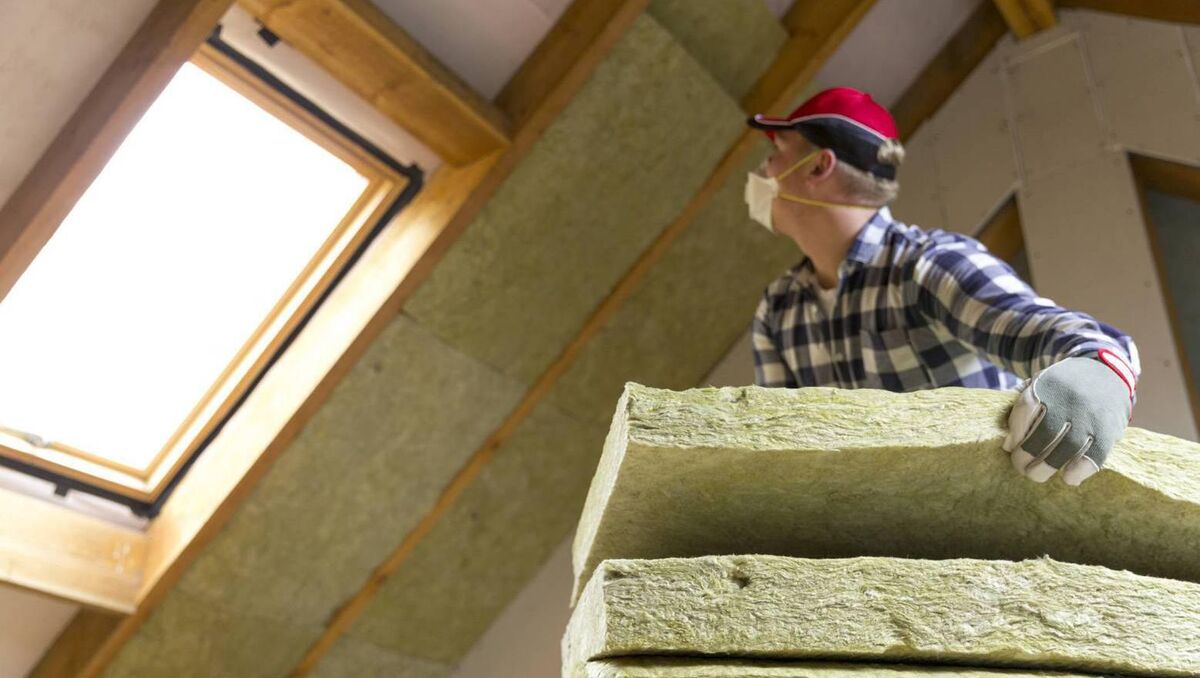
A good example of this would be a change of windows, increasing your attic insulation, or having the cavity pumped. If you carried out certain improvements with SEAI grant aid, a BER may have been generated as part of the process.

BER certificates are published online once completed. They carry a unique 9-digit number. All you need to find your certificate (if it’s mashed away somewhere in your paperwork) — is your MPRN, found at the top of your energy bill. If you have the certificate number, you can also use this. Online, the register is here: ndber.seai.ie/pass/ber/search.aspx. 

The SEAI advises, if you are a prospective purchaser or renter and you do not know the MPRN, contact the building owner or agent to request a copy of that valuable advisory report as it may also be of interest to your lender if you’re considering rolling improvements into your mortgage deal. The bald BER rating should be on the specs.

Where the BER is published on or after July 6, 2021, and you’re selling, you or the agent can use the BER number or MPRN to access the advisory report (of potential efficiency improvements) if it’s missing from your records. This allows you to provide it conveniently straight to prospective buyers for their consideration. 

Some homes will need just a few non-invasive investments to make the property more comfortable. The latest, improved advisory reports offer a very handy road map to a BER of B2 using SEAI grant-aided and non-grant-aided work. Individual grant aid starts from €700 (heating controls) to €8,000 (external insulation/the wrap) in incremental improvements. 

Your habits and the efficiency of your free-standing appliances do not count in the BER.

A low BER may not be a deal breaker with a promising BER advisory report that points to incremental or one-stop-shop transformation. So, if you don’t have a valid BER, or your BER needs to be updated for a sale, what do you need to do? 

First of all, you’ll need the assessor. BER assessments are carried out by independent registered assessors, and you can find a local individual in the SEAI National Register of BER Assessors at seai.ie. The cost starts in the area of €180, and the walk-through takes anything from half an hour, depending on the size and complexity of the home. 

It’s important to understand that the BER in the section is a visual inspection, not a forensic one. Your assessor will not be going into the walls or floors, and they will ask for fully certified proof for insulation measures. To be fair, unless the inspector could see into every square metre of wall and floor, seeing insulation in just one section behind a pried-up board proves nothing. What cannot be assessed beyond a visual inspection will be awarded a default setting using the software designated for the BER process. 

Before the day of the inspection, talk to the inspector about any home improvement works that you have had done to the house, not recognized on previous assessments, so they can tell you what documentation they need to include it in their assessment of your new BER rating. 

Original construction documents can be useful too. The SEAI advises: “Documentation includes certifications, receipts, invoices and/or specification documents from the architect, engineer or contractor who managed the works. These should clearly indicate the address of the property, the works carried out, and the products used.”

Your habits and the efficiency of your free-standing appliances do not count in the BER. Trotting behind the inspector waving your last power bill, rarely works. 

You can make some quick and meaningful upgrades if you’re a few weeks out to an assessment. Bringing loft insulation to 300mm depths (SEAI grant-aid to €1,500) and weatherproofing doors and windows would be helpful. Ensure what you’re doing is cost-optimal. A change to LED lighting for every outlet might wiggle you to the top of a band, but there’s no guarantee it will change a BER letter or number. 

ig out your documentation, ensure the attic door is open and accessible, and relax. The BER assessment and the generated advisory report is not to be dreaded. This spring, we will start to see the first of the new low-interest loans (closer to green mortgage interest rates) released through a €500m scheme worked out through the government and the European Investment Bank (EIB) Group. 

A BER advisory report is a genuine selling feature and empowering for many prospective buyers, and any savvy agent will play it up. The report may on the day of viewing point to a rough diamond, ready for some sustainable shine.

More in this section

Revoiced

Newsletter

Sign up to the best reads of the week from irishexaminer.com selected just for you.

Cookie Policy Privacy Policy Brand Safety FAQ Help Contact Us Terms and Conditions

© Examiner Echo Group Limited