How to keep your home smelling sweet and boost indoor air quality
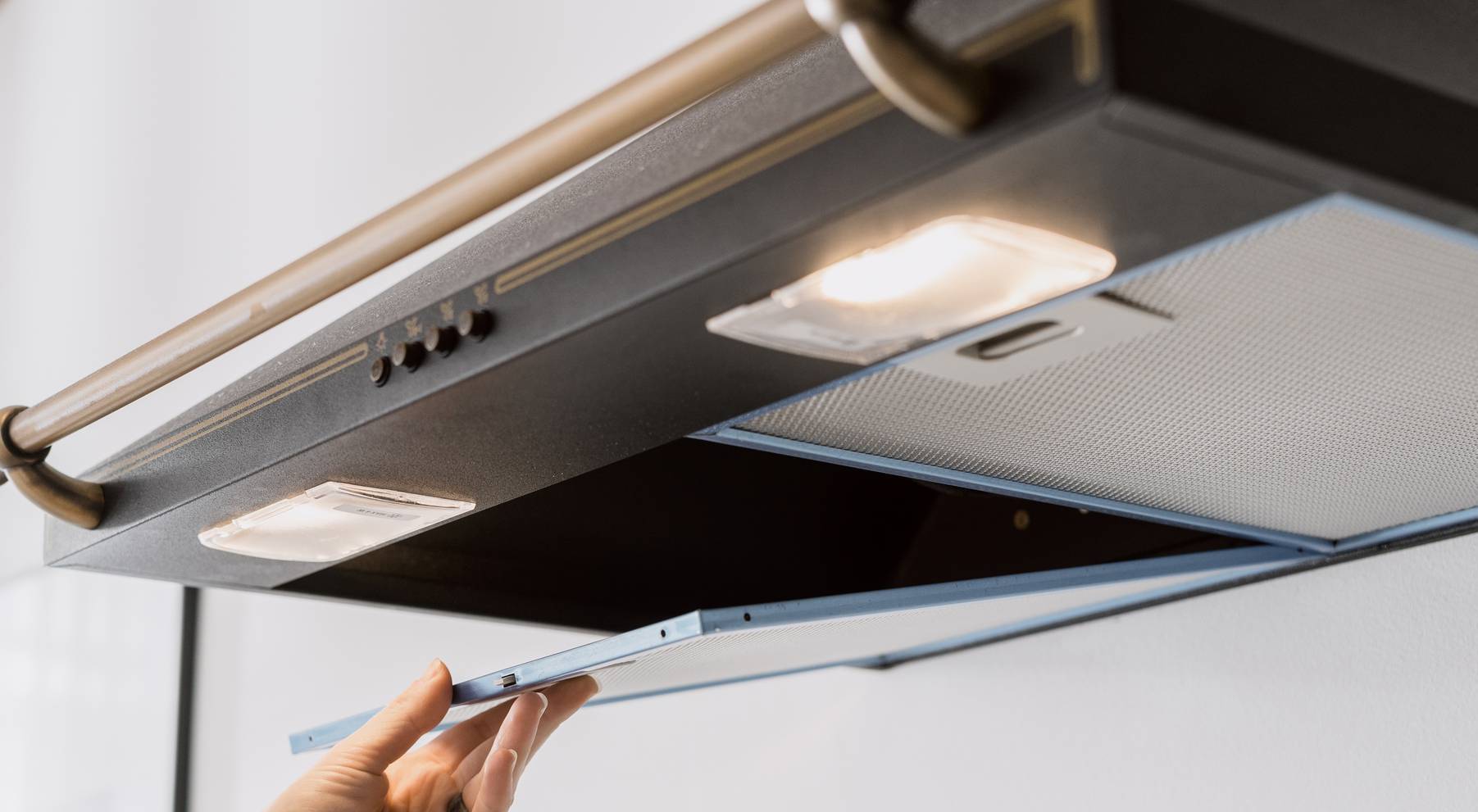
Filters in the kitchen extractor ensure the unit is not distributing a honk back around the room. File picture
Most of our homes have a special aroma, it's true. It’s something we recognise instantly, but is it benign or beastly? You might be suffering from olfactory fatigue or nose-blindness. Freshening the air is not deodorising with scented candles and deploying half a bottle of Febreze to mask a musty, damp issue. Layering on natural and artificial scent should only follow a proper purge, ensuring the air you breathe is clean and healthy, without a hefty moisture, chemical or biological burden. This depends primarily on consistent, good housekeeping, promoting a controlled ingress of fresh air, and steadily expelling stale air. Most of us are not enjoying the silent, automated magic of whole-house mechanical ventilation (with heat recovery if you’re very lucky). Still, air exchanges from outdoors are at the heart of a healthy home with good indoor air quality (IAQ).
If you’re aware that your home has a scent, or a slight damp issue (you might find signs of condensation such as moisture running down the insides of windows) — don’t panic, but don’t just throw out a bowl of bicarbonates of soda and flame up an Irish designer candle. Designer scents for the home, tickling the limbic system (dried flowers and herbs, scented candles and sprays) are influencer fluff if they are masking humidity, biological pongs, and petrochemical toxins. Weird smells can affect a new or old home, and “notes” of lavender, chamomile and cedar will not address the baseline quality of your IAQ.
We need to do is to honour the passive, mechanical and rapid ventilation tools we already have on hand with a change of habits. Think of these aids as the lungs of the home. Susan Vickers, Chair of Healthy Homes Ireland (HHI), says “Passive ventilation (wall vents, for example) has an important role and people need to be aware of this. There is no reason not to open the windows — it’s still a best practice, although home users should just not leave them open all day in winter, or it will increase their heating bills. Off-gassing from new furnishings and even decorating, together with other imperceptible issues with air quality — there’s a lot to consider, especially where any family member has respiratory issues.”
First up, even if you don’t have a whiff throughout the home, regularly check that all wall vents are clean, open and free of external debris or climbing plants. Vents are intended to provide background ventilation 24/7. If you are relying solely on trickle vents in the windows, these should not be taped or set to shut.
The mechanical vents in the kitchen (the extractor canopy) and the vent in your bathroom (every bathroom should have one) should be left on for a couple of minutes after finishing that shower or bath. Ensure you understand the number of filter changes required for any extractor fan in the kitchen, including a ritzy venting stove, venting to the room. If in doubt, if the mirror and windows are clouding, open the window for just three or four minutes and introduce a venting fan with a greater extraction rate (m3/hr) when you can afford it.
Moving to rapid ventilation, I want you to add the word luften to your domestic dictionary. This is the German practise of airing the home daily — a form of what’s known as “shock ventilation”. If your home suffers from a lack of adequate air-exchanges, luften, deployed daily, can instantly lower the influence of excess humidity and unwelcome smells. Just choose windows at opposite sides of the house, on every floor and throw them open for even 10 minutes a day to cross-ventilate.
Now that the air is turning over in proper air-exchanges several times a day with that passive, mechanical and rapid ventilation, we come to dirt — think of it as brushing the home’s teeth. The filthiest things in your house, bar spots touched by unwashed fingers repeatedly, are carpets and rugs. Throw in a couple of pooches and the trodden gifts of outdoor shoes grazing hall carpeting, and you have a large absorbent stink creator. It might be subtle (sometimes it’s not — ask your rudest friend to do the sniff test). Gaseous smells and particulate matter (PM2.5) bloom as you walk over unclean carpets, pet the dog, open the fridge, stir the fire, and snap the bin lid down. It’s everywhere.
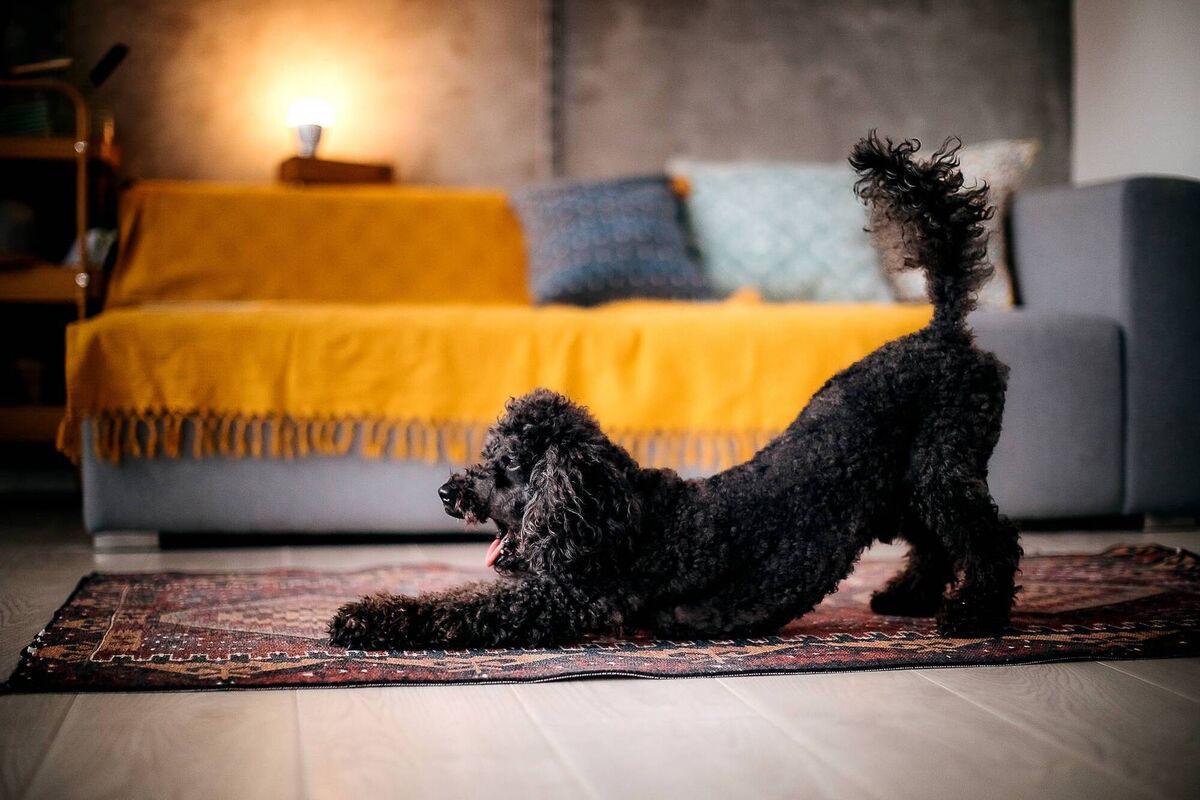
Carpets and rugs should be cleaned at least once a year, and there’s a compelling argument for doing them twice a year in the high-traffic areas. If, like me, you have a few animals stalking the home, the odd accident is just a fact of life. This is sucked into the base of the pile of carpet and rug and into the underlay. You will never get it out with that kitchen towel.
Use enzyme spot-cleaners every time urine hits a pile or weave, as these will attack the germs that cause the odour. Some breeds and types of dogs have a high-maintenance regimen to keep their coat. Don’t neglect it, as it’s a welfare issue more than anything else. Bedding, collars, harnesses, and dog clothes should be cleaned, too. If a bed cannot go in the washer or be surface hosed — don't buy it. Outdoor wear, shoes, and incidental accessorising like cushions and throws demand appropriate wipes, sanitising, and washing. Incorporate their care, including steam cleaning your upholstery at least every three months. If you don’t change the sheets every two weeks at the very least and you keep your mouldering laundry in the bedroom, a soft, biological honk can float out of those rooms and down the hall.
No bin is 100% sealed, and just closing and opening the lid huffs a whiff of decay into the kitchen. When empty, give indoor bins a shake of bicarbonate of soda or drop in a couple of dryer sheets at the base. Obviously, empty your food bins daily, downsize to encourage regular empties, and examine the fridge for food archaeology, discreetly causing an olfactory uproar. That waste-pipe between the kitchen sink plug and the outside drain is a nasty little conduit. Freshen it up, chasing debris down with a dash of washing up liquid every time, with a twice-weekly bicarb, white vinegar and hot water chase. Sink sponges are a whole ecosystem unto themselves, with up to eight million bacteria partying inside there after a week’s use. They are impossible to clean properly once wet. Get rid.
Back in the bathroom, educate everyone about the horrors of the “faecal plume”. Always, always, put the lid down before you flush. Otherwise, you’re bombing the air with not only a ghastly reek, but microscopic amounts of actual you-know-what. This can fly for several metres, nestling on hand towels and toothbrushes.
Change fabric bathmats regularly and wash and dry thoroughly. Don’t let the laundry basket linger, exploding at the lid, and empty that washing machine before biology takes over and gets that damp load reeking. The washing machine and the dishwasher often smell despite daily use. Check filters and seals, clean out any collected lint or debris, and when you do give the washer or dishwasher a cleaning cycle, finish by leaving the door open to let it “breathe” right through to the waste-pipe.
CONNECT WITH US TODAY



Be the first to know the latest news and updates