Peter Dowdall: Resolutions to grow a more sustainable lifestyle
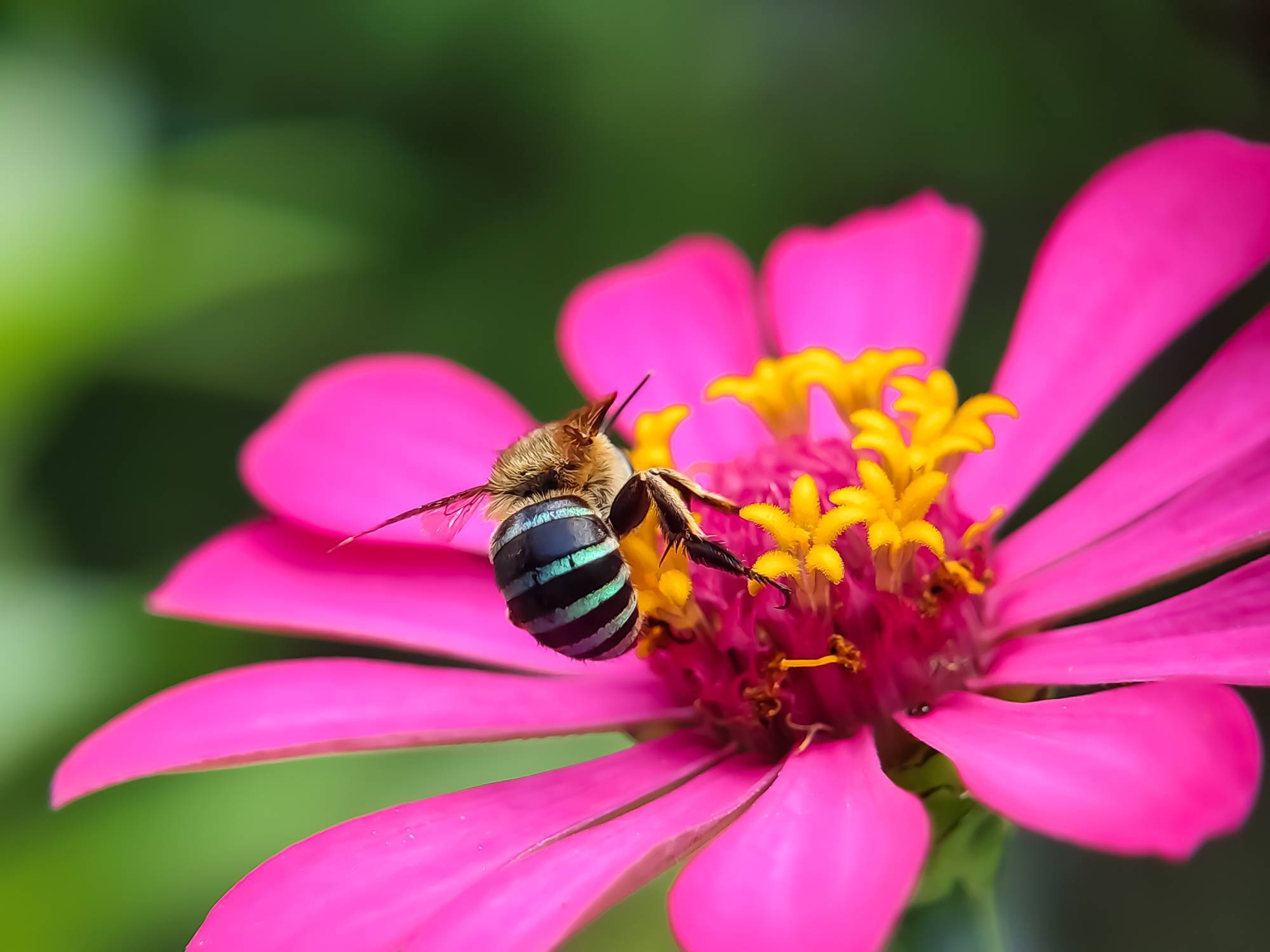
By embracing a variety of plants we help to support local ecosystems and provide food and habitats for a wide range of beneficial insects, birds, and other wildlife. File picture
For those of us who love our identity as gardeners, the turning of the calendar offers an opportunity to set goals and aspirations that will not only enhance our connection to nature but also contribute to the health of the planet. Whether you’re a seasoned horticulturist or completely new to this wonderful world of gardening, the start of a new year presents a perfect moment for all of us to reflect on our gardening practices and set out our stall for the year ahead.
Here are a few resolutions to consider for 2024 to promote sustainable, wildlife-friendly, and rewarding gardens.
Sustainable gardening practices
Perhaps we can look at our gardening methods and embrace more sustainable practices that prioritise care for the green environment.
Consider incorporating techniques which focus on water-efficient gardening, or implementing organic gardening methods to reduce or, even better, eradicate our reliance on synthetic fertilisers and pesticides.
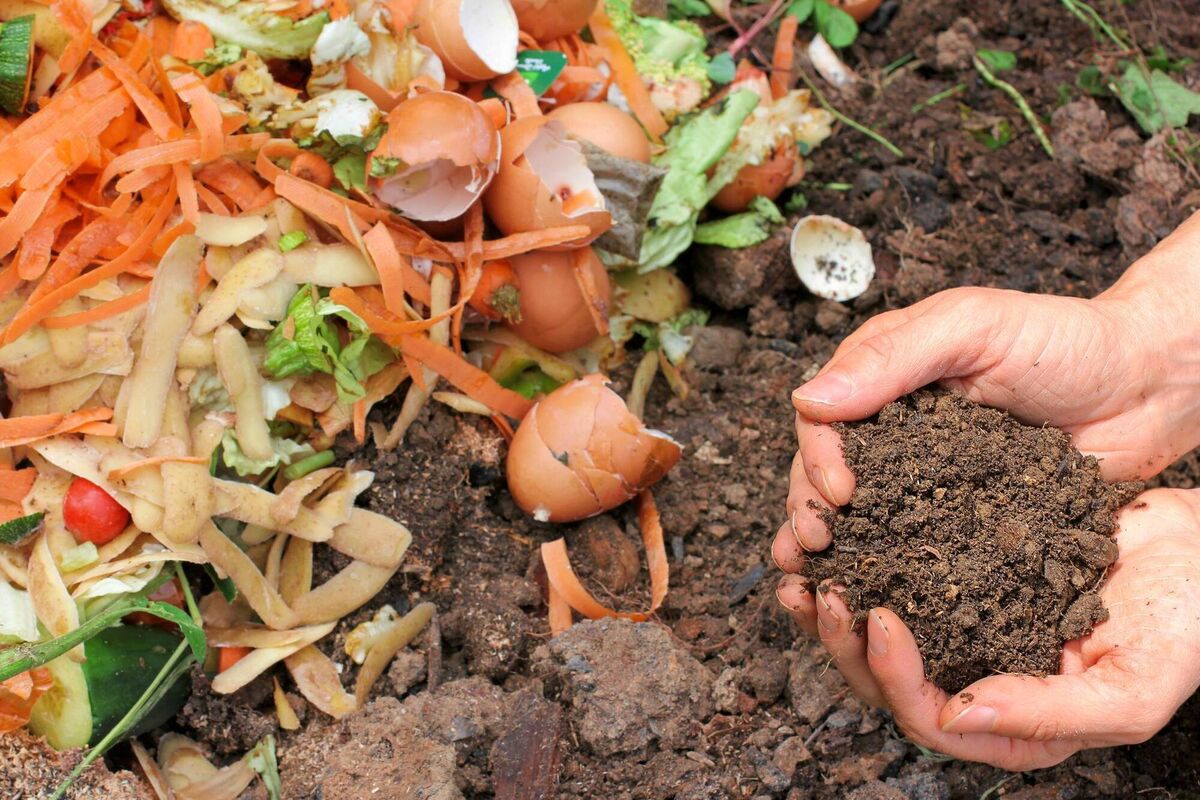
Resolving to compost kitchen scraps and garden waste to enrich your soil and reduce landfill waste can also be a significant step toward sustainability.
By committing to sustainable gardening practices, we can play a vital role in preserving the natural world for future generations.
Diverse and pollinator-friendly gardens
By embracing a variety of native and wild plants we can all help to support local ecosystems and provide food and habitat for a wide range of beneficial insects, birds, and other wildlife. Incorporating flowers, herbs, and shrubs that attract pollinators such as bees, butterflies, and hoverflies will help these insects to survive and thrive.
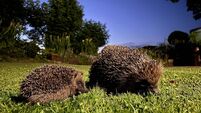
Go a step further and fit some bird nesting boxes and feeders, insect hotels and hedgehog homes and before you know it, your garden will be bustling with life and fun.

Reduce waste and embrace upcycling
We can all do our bit to minimise waste in our gardens and our gardening practices if we embrace the principles of upcycling and repurposing.
We can explore creative ways to reuse materials in the garden, such as repurposing containers for planting, constructing garden structures from reclaimed wood, or composting garden debris to produce the most valuable soil conditioner that money can’t buy.
Grow your own lunch this year
In an era marked by environmental challenges, food insecurity and rising prices, we can make a significant impact by resolving to grow our own food. Whether you have a large back garden or a small balcony, you can grow something for your kitchen.
Growing your food is not only great fun and rewarding and a great way to get children interested in the outdoors and where our food comes from but it also empowers us to take control of our food supply and reduce our reliance on commercially produced food.
Consider using part of your garden to grow vegetables, fruits, and herbs, and explore the principles of permaculture to create a self-sustaining and diverse food-producing ecosystem.
Don’t forget to smell the roses
In the hustle and bustle of all of our lives, a garden can serve as a tranquil sanctuary for relaxation and rejuvenation. Make it your resolution to design and cultivate a garden space that nurtures your well-being, providing a peaceful retreat from the stresses of daily life.
Incorporate elements such as comfortable seating areas, fragrant herbs, and sensory plants to engage all the senses and be sure to promote mindfulness and relaxation.
Whether it’s a cosy corner for meditation, a fragrant herb garden for aromatherapy, or a peaceful water feature for contemplation, prioritise creating a garden sanctuary that nourishes your body, mind, and soul and then, don’t forget to take that time out to enjoy it.
Take time to enjoy the simple joys of tending to your plants, observing the changing seasons, and witnessing the beauty of nature at work.
Whether it’s the first sprout of a seedling, the vibrant blooms of a flower, or the harvest of a bountiful crop, in the garden we can’t help but be blown away by the interconnectedness of all living things and the profound impact that gardening has on our lives and the world around us.
Keep learning and experimenting
Gardening, for all of us, is a continual learning process, and the new year presents an opportunity to expand our knowledge and skills as gardeners.
Let’s explore new gardening techniques, experiment with unfamiliar plant varieties, or delve into the art of seed saving and propagation.
Consider enrolling in gardening workshops, attending garden tours, or joining online gardening communities to exchange ideas and experiences with fellow enthusiasts.
By continuing to learn and to experiment, you also retain old and develop new relationships and connections with other like-minded gardeners, neighbours, and local gardening clubs.
Plant swaps, seed and seedling exchanges, or community gardening projects help to build a great sense of camaraderie and support within your community.
By becoming part of a gardening community, you can create a network of like-minded individuals dedicated to enhancing the local environment, sharing resources, and fostering a sense of belonging and togetherness.

- Got a gardening question for Peter Dowdall? Email gardenquestions@examiner.ie
CONNECT WITH US TODAY
Be the first to know the latest news and updates