How to turn your garden into a haven for hedgehogs
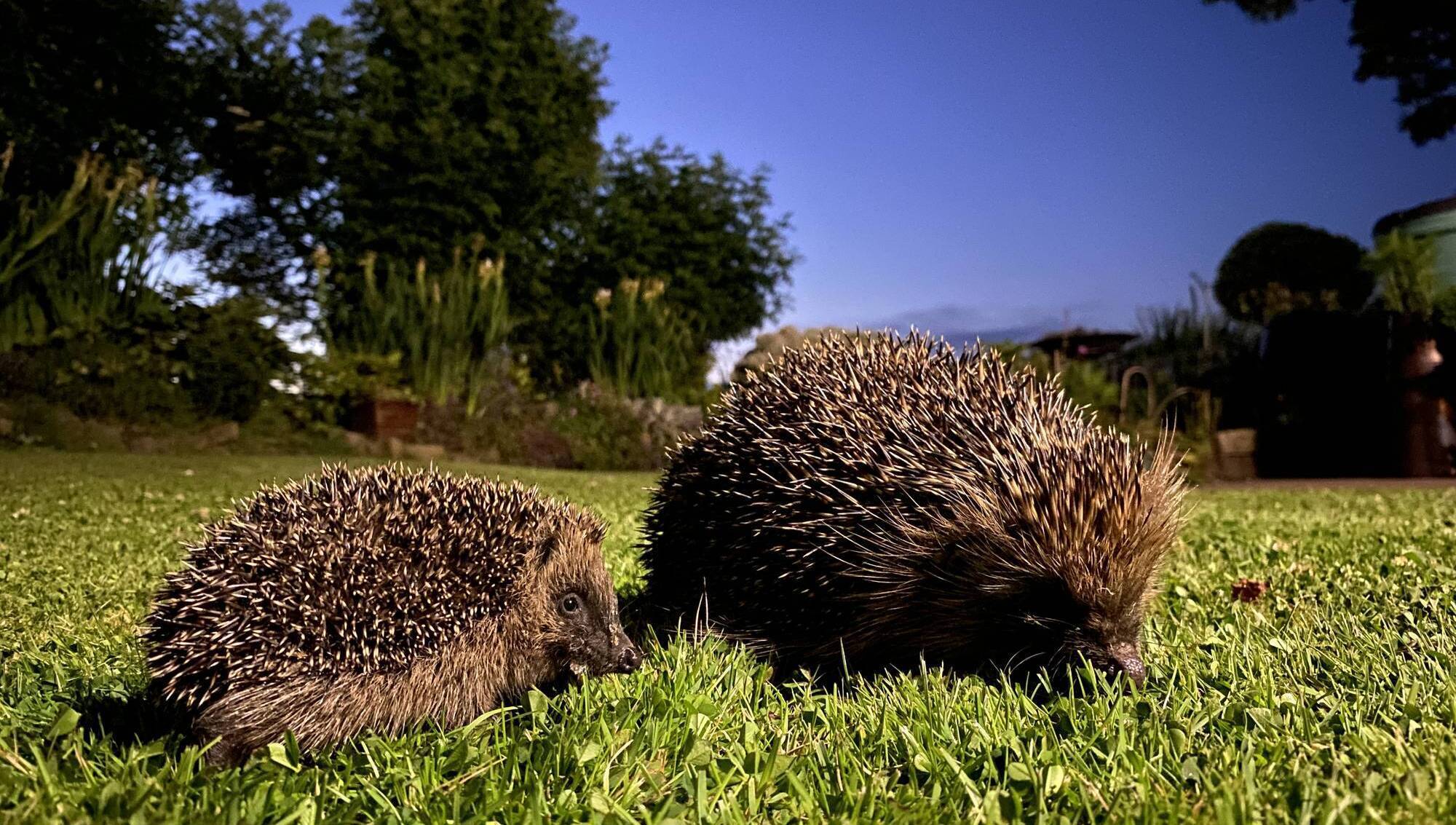
While it’s only in recent years that hedgehog populations have begun to be monitored in Ireland, their numbers have shrunk dramatically over the past two decades, writes Fionnuala Fallon. File pictures
Sitting together beneath a star-filled autumn sky last week, my sister and niece found themselves momentarily distracted by the noisy rustling sounds of what turned out to be a large hedgehog or gráinneog.
When she shared a photograph on the family WhatsApp group of its prickly rear end retreating indignantly into the garden’s leafy overgrowth, I remembered with a pang how common this endearing nocturnal mammal was in my childhood.
Not anymore. While it’s only in recent years that hedgehog populations have begun to be monitored in Ireland — the first official surveys took place between 2021 and 2024 — it’s likely that their decline closely mirrors that of hedgehogs in the UK, where numbers have shrunk by as much as 75% over the last 20 years.
The reasons for this are depressingly familiar. Much as you would expect, they include habitat loss and habitat fragmentation; urbanisation; intensive agriculture; the inappropriate use of pesticides, garden netting and garden strimmers; poorly-designed open drains in which they can easily get trapped; a sharp increase in road traffic; and the impact of climate change on their hibernatory and feeding patterns. Interestingly, the rate of decline is steepest in rural parts of the country, with an uptick in numbers in suburban gardens and parks.
One of just two native Irish animal species that truly hibernate — the other is the bat — it’s around this time of year that Irish hedgehogs seek out a sheltered, undisturbed place to settle down for winter.
While they will usually periodically briefly re-emerge from hibernation every 10-14 days over the ensuing months, sometimes just to adjust their position, to drink or feed, or to seek out a better place in which to nest, their winter hibernation only properly comes to an end in spring.
While the triggers that cause them to fully emerge like this in spring aren’t yet fully understood, scientist believe that it’s a combination of several factors, including rising temperatures and light levels, plus a greater abundance of their favourite foods, which include beetles and caterpillars as well as earwigs, slugs, spiders and other creepy crawlies. In this sense, hedgehogs are an important cog in the wheel of a garden or allotment’s ecosystem, supporting biodiversity while simultaneously acting as a natural, planet-friendly method of pest control.
Hedgehogs’ favourite winter hibernating spots include the edge of woodlands, hedgerows (hence their name), bramble patches, shrubberies, dense vegetation around buildings, leaf piles, log piles, compost heaps, bonfire heaps, and beneath garden decking or garden sheds, which is why we should always take extra care when gardening at this time of year to avoid accidentally injuring or disturbing them. But they’ve occasionally even been known to come into buildings via cat flaps or open doors in search of a suitable nesting spot, with a Scottish hedgehog once discovered sleeping in a motorbike helmet, so it’s also worth keeping an eye out for them in unexpected places, including garden sheds, glasshouses, polytunnels and barns.
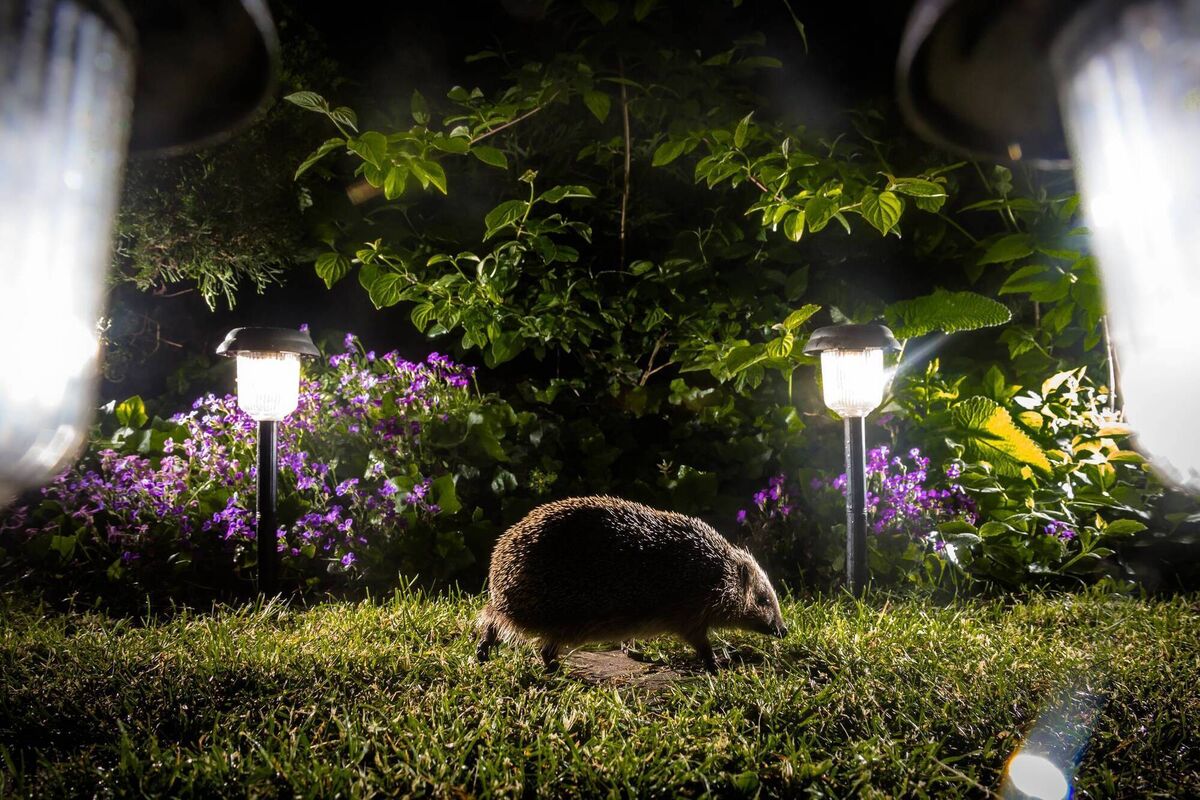
Unlike their daytime resting spots or nests, hedgehogs’ winter nests or "hibernacula" are tightly woven, sturdy, substantial structures made from fallen leaves, grass, moss and twigs designed to keep them warm and dry no matter what the weather. This is crucial because a hibernating hedgehog’s pulse and metabolic rate slow right down while its body temperature also plummets, enabling it to conserve precious energy.
Disturbing them during hibernation abruptly disrupts this important overwintering process, posing a serious threat to their health and wellbeing. If you accidentally happen to do this while working in your garden or allotment, it’s crucial to very quickly replace that protective layer of leaves, twigs and moss in the hope that the hedgehog will go straight back to sleep. But if in any doubt, leave some bowls of food (dry or wet cat food or dog food, not fish-based, and not bread) and water (not milk) nearby in case it subsequently emerges from its winter nest in search of nourishment.
Better again, build a simple hedgehog feeding centre. Hogsprickle, the Clare-based wildlife rescue charity, recommends that garden owners install these permanently in their gardens as a way of helping hedgehog populations, using a large, lidded plastic box placed upside down on the ground, with a 13cm diameter hole cut into one end that’s attached to an internal tube/ pipe/ tunnel of the same width, preventing predators including cats from entering it.
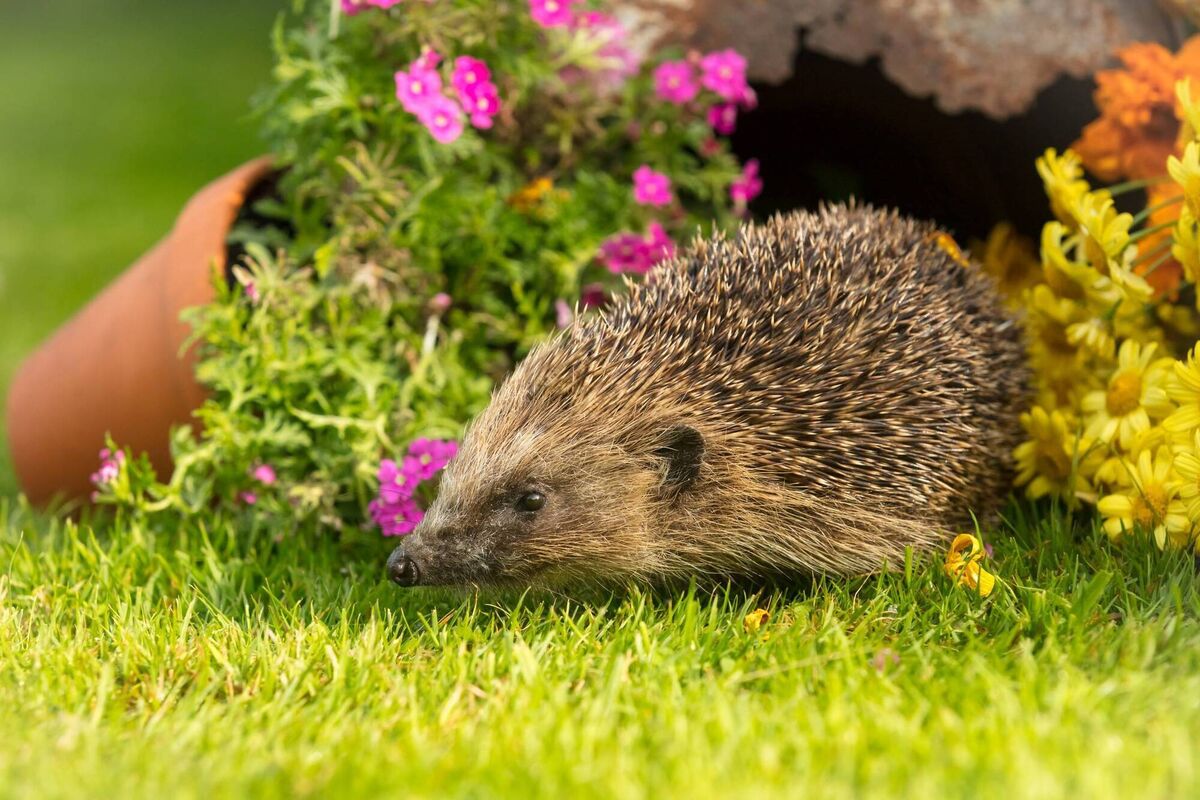
Creating "hedgehog highways" that allow them to roam freely from one garden to another is another simple way to support hedgehog populations. Again, all that’s needed is a small hole roughly 13cm in diameter at the base of your garden hedge or fence through which they can squeeze. Leaving a pile of logs or fallen leaves undisturbed in a quiet corner of your garden or allotment also helps to provide the kind of hedgehog-friendly habitat that they need to flourish.
Finally, if you do come across a hedgehog that you suspect may be injured or ill, especially one that looks undersized or very young, get in contact with your local ISPCA branch (see Irishwildlifematters.ie; Biodiversityireland.ie and Irishhedgehogsurvey.com) or one of the organisations that help to care for them, which include hedgehogrescuedublin.com; and, again, Hogs Prickle (Thehogsprickleweebly.com).
Late autumn and leaf fall signal the beginning of the bare root season and a great time to plant many woody species of trees, shrubs and hedging while also saving on costs. Bare root plants are also kinder to the environment (less packaging, zero compost, easier to transport in bulk) and easier to plant because of their smaller root balls. But make sure to keep the latter cool, dark and damp until you’re ready to plant them.
Protect wall-trained shrubs and climbers from damage by winter gales by ensuring that they’re tied securely in place, paying particular attention to any long, lax branches that could snap in strong gusts.
Bookings are now being taken for the gardener, author and artist TJ Maher’s very popular gardening course, which kicks off next March at his well-known garden, Patthana in Kiltegan, West Wicklow, and runs right through to November (half-day a month for nine months). Places are strictly limited, and pre-booking is highly recommended; see Patthanagardensireland.com.
CONNECT WITH US TODAY



Be the first to know the latest news and updates