Winter gardening: Golden rules for how to deal with fallen leaves
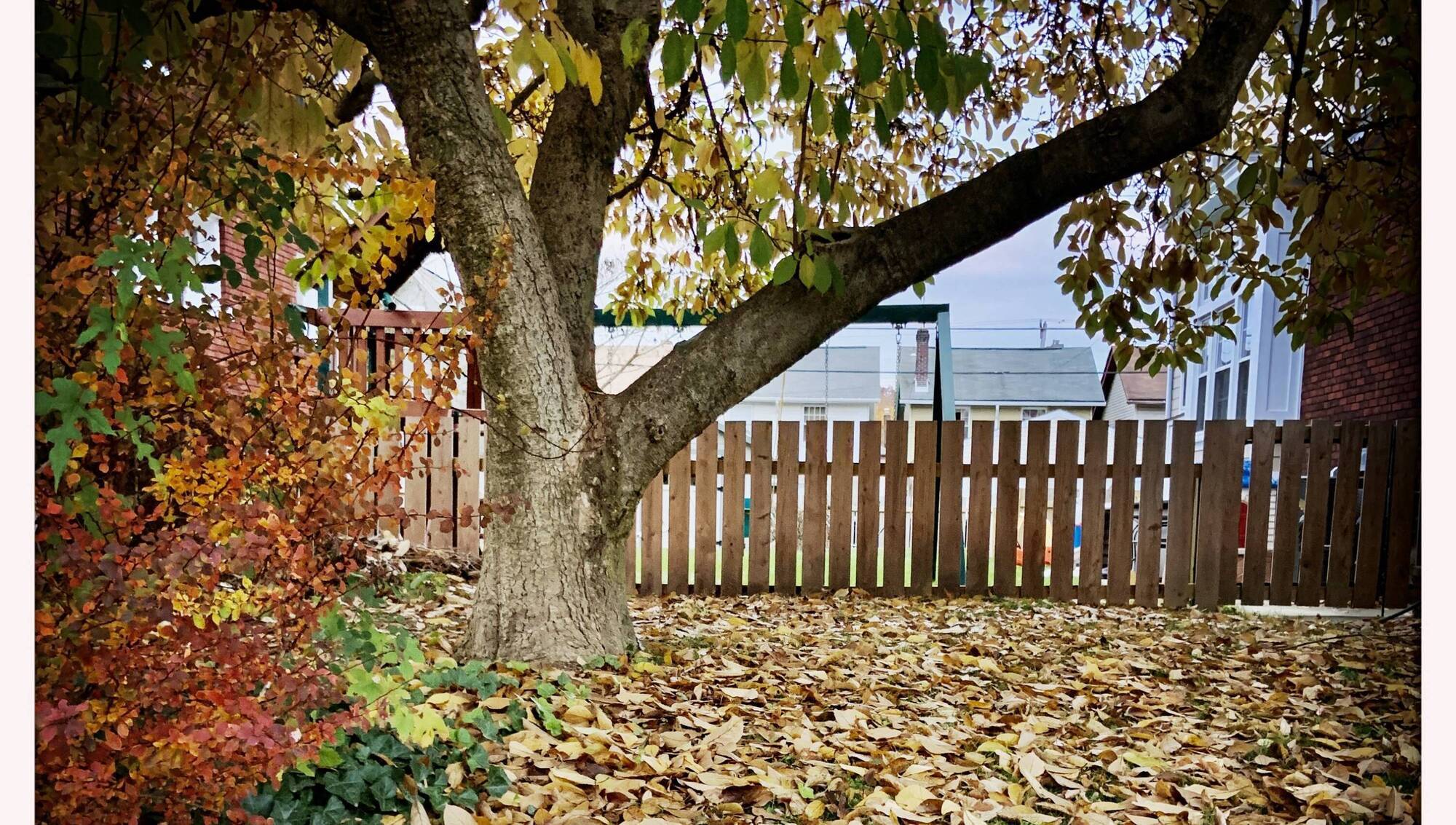
Depending on where they end up, we can view fallen leaves as a nuisance, a danger, or a wonderful way to nurture soil and biodiversity
Fallen leaves leave us feeling conflicted. Depending on where they end up, we can view them as an affront, a nuisance, and a danger to life and limb, or as an easy, nature-friendly way to support soil health and nurture biodiversity. File pictures

Fallen leaves leave us feeling conflicted. Depending on where they end up, we can view them as an affront, a nuisance, and a danger to life and limb, or as an easy, nature-friendly way to support soil health and nurture biodiversity. File pictures

As the leaves of the nation’s deciduous trees tumble to the ground in their millions, spare a thought for the tidy-minded gardeners amongst us, for whom such messiness demands near-daily ministrations in the form of the vigorous use of a garden rake, or perhaps a leaf blower.

I’ve watched fully grown adults do so with a vengeance in the middle of a gale, fully absorbed in the futility of the moment, even as thousands more rained down upon them. Puzzled, I once asked a gardening friend why he bothered. “Because I enjoy it,” was his quizzical reply.

Fallen leaves, it seems, leave us feeling conflicted. Depending on where they end up, we can view them as an affront, a nuisance, and a danger to life and limb, or as an easy, nature-friendly way to support soil health and nurture biodiversity.

On the one hand are popular campaigns such as Leave the Leaves, which highlight the crucial role that autumn leaves play in providing both shelter and valuable overwintering habitats for many kinds of insect life, from ground beetles and woodlice to centipedes and bumblebees, by insulating them against cold, while also sometimes serving as a food source.
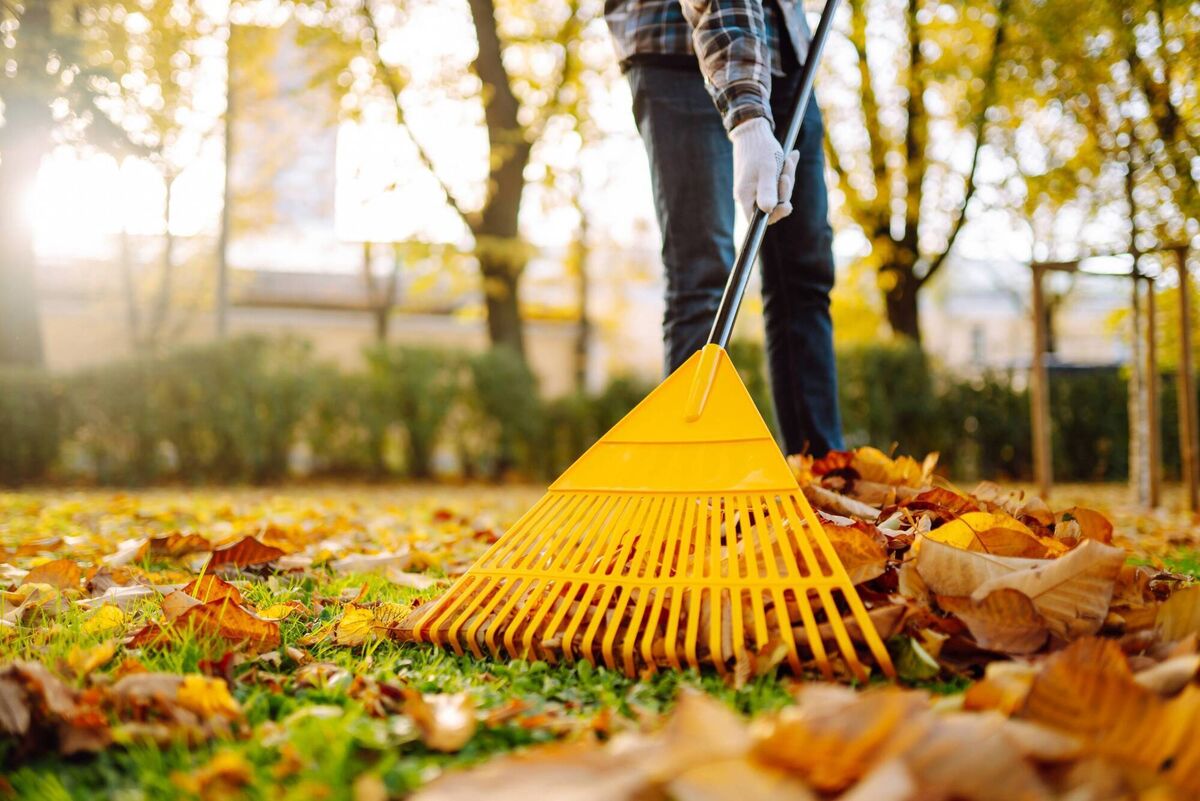
Rake heavy falls of autumn leaves off the lawn, but keep a watchful eye out for overwintering hedgehogs as you do so.

Those fallen leaves are similarly beneficial for other kinds of garden wildlife, including hedgehogs, frogs and garden birds, providing a habitat in which to shelter and/or forage for food.

Many gardeners will also point to the benefits of leaving fallen leaves in place in terms of their insulating, protective effect on soil as well as the plants that grow in it.

Fallen leaves left in situ like this also help to suppress both plant diseases and weedy growth — what gardener doesn’t love that while greatly boosting earthworm and beneficial soil microbial activity? This in turn boosts humus and mineral levels in the soil, further improving plant health and helping with problems such as soil compaction and poor drainage.

On the other hand, fallen leaves can be dangerous in our gardens and allotments if they’re left to accumulate around built structures such as paving, paths, steps, gutters and drains where they can obscure changes of level, conceal uneven surfaces, serve as trip hazards, cause problems with efficient rainwater dispersal, and make surfaces slippery in wet or icy weather.

Left on the lawn in heavy piles, rotting leaves can cause ugly dieback, while on porous paved surfaces they can leave stubborn stains due to leaching of natural tannins.

They’re also not good for garden pools, where they deplete oxygen levels, disturb pH levels, cause algal growth, and block water pumps.

The moral of this story? Let common sense prevail. Collect fallen leaves regularly from any built surfaces where they might be hazardous, and either add them to your compost heap as a carbon-rich layer or put them into a metal wire cage or a black bin bag with a few holes punctured in it to aerate it.
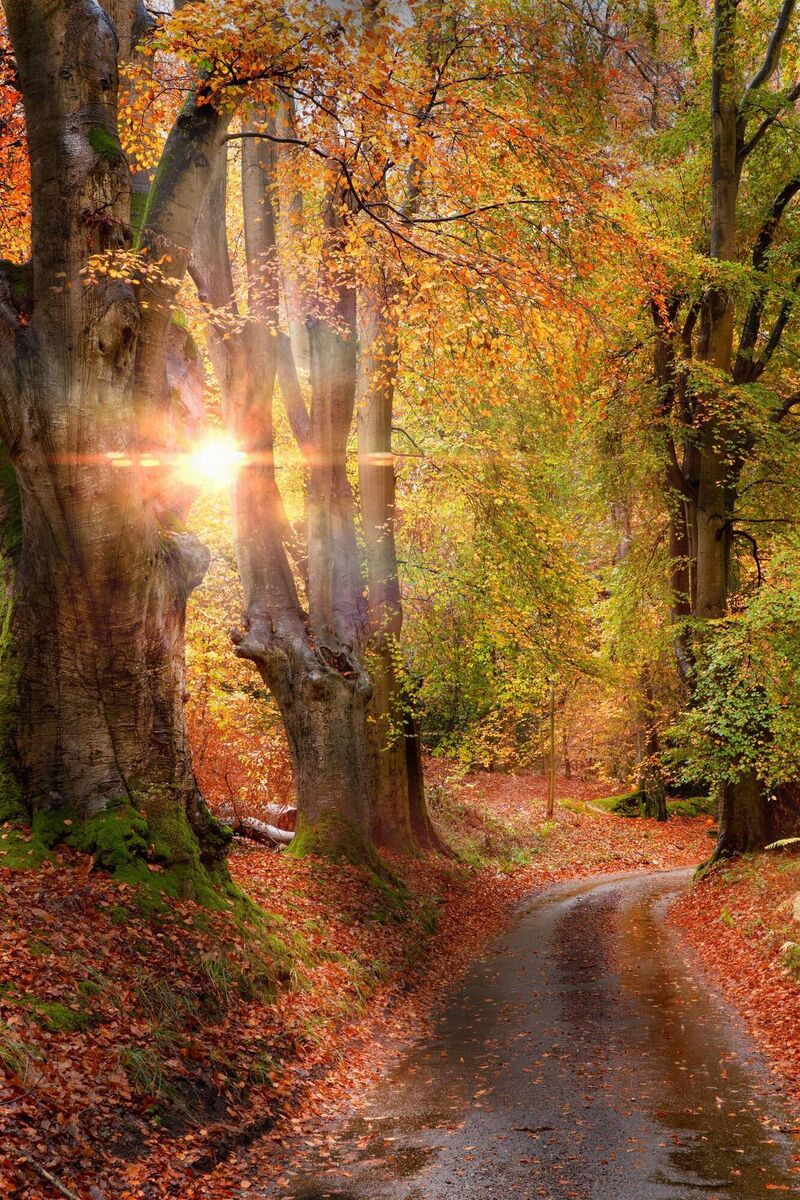
Tucked away out of sight in a quiet, shady corner of the garden, this leaf pile will gradually rot down to produce leaf mould. But you’ll need to give it plenty of time to do so. Unlike a compost heap, which relies mainly on bacterial action to break down organic matter, leaf mould is produced by fungal action, a cooler, naturally much slower process that takes at least two years.

Built surfaces aside, it’s also a good idea to rake heavy falls of autumn leaves off the lawn — keep a watchful eye out for overwintering hedgehogs as you do so — and either spread them as a protective mulch beneath established trees and shrubs, or compost or bag them as described. Light falls can be quickly shredded by running a mower over them, which speeds up the process of decomposition and makes it easier for earthworms to pull them into the soil. But fallen leaves around the base of hedges should be left to rot down naturally, as these help keep the plants healthy while also providing valuable shelter for garden wildlife.

As for fallen leaves on flower beds, these are fine to leave in place unless they’re in dense, heavy piles that are touching or obscuring the crowns of plants, in which case they can cause potential problems in terms of decay, pests, disease and obscuring sunlight. However, most will break down surprisingly quickly with the help of earthworms, slugs and snails, proof that nature knows exactly what it’s doing in terms of sustaining the circle of life.

A brilliant soil conditioner, leaf mould is especially rich in a plant material known as lignin, a natural biostimulant. This makes it a particularly great addition to seed and potting mixtures, where it encourages the development of strong, healthy root systems in seedlings and young plants, as well as helping them to fight off disease. Love the idea of making it, but don’t have enough fallen leaves to do so? Tempting as it might be, try to resist the urge to collect these from nearby streets, roadsides or parks, both for reasons of health and safety (various undesirables and pollutants may be concealed in them) as well as to avoid any disturbance to the natural balance of local habitats and ecosystems.
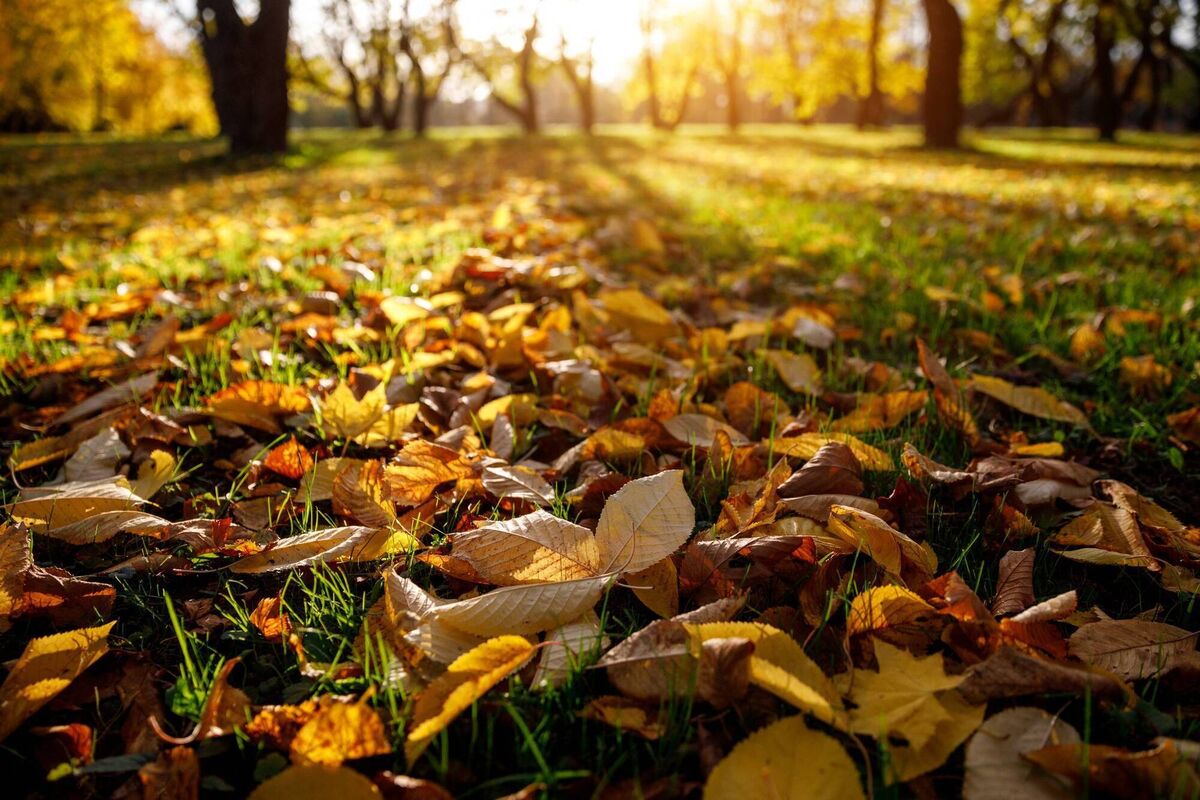
Many gardeners will point to the benefits of leaving fallen leaves in place in terms of their insulating, protective effect on the soil as well as the plants that grow in it. 

On the other hand, some gardeners have great success in sourcing a supply by offering to collect any unwanted bags of leaves from neighbours or local businesses — they will often do this by putting a notice up in a newsagent or placing an ad in a local newspaper or magazine or community newsletter, or posting on a Facebook group.

Alternatively, some city and county councils provide leaf-composting cages for local community groups where people can dispose of unwanted fallen leaves from their gardens. Get in touch, and they may be able to point you in the direction of a convenient source nearby.

Forget, however, finding leaf mould for sale in your local garden centre. Despite earning itself the name gardeners’ gold or black gold on account of its horticultural superpowers, it’s virtually impossible to source it as a commercial product in this country. Some of the best things in life just can’t be bought, and this is one of them.

This week in the garden 

Check overwintering brassicas such as Brussels sprouts and purple sprouting broccoli for signs of root rock. Earth them up well and stake if required to protect the plants from further damage.

Now that the nights are getting colder, keep a close eye on tender or half-hardy plants overwintering under cover of a glasshouse, polytunnel or garden shed and provide some extra protection in the form of fleece, bionet or some sheets of old newspaper when harsh frost is forecast.

Dates for your diary: Snowdrop Gala and Other Spring Treasures, with speakers John Lonsdale (USA) and Dr John Grimshaw, January 23rd, 2027, Ballykealey Manor, Co Carlow, early-bird tickets (€135) until January 1, or €155 from January 2, booking via Altamontplants.com or contact Alex Lyle on 085-7318676. For further information, contact Hester Forde on 086-8654972.

More in this section

Property & Home

Newsletter

Sign up for our weekly update on residential property and planning news as well the latest trends in homes and gardens.

Cookie Policy Privacy Policy Brand Safety FAQ Help Contact Us Terms and Conditions

© Examiner Echo Group Limited