How to keep your Christmas tree looking its best throughout the season
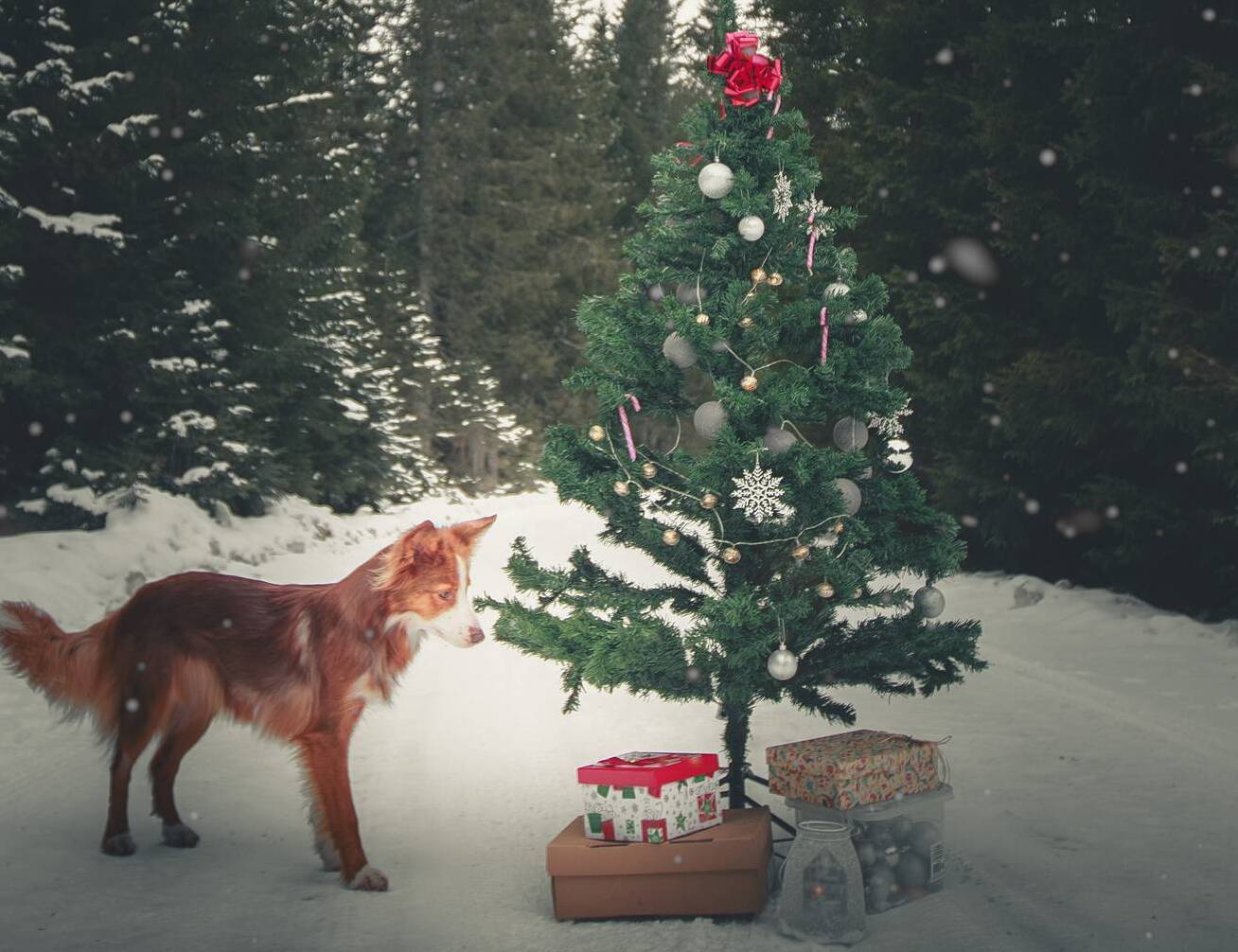
Who can resit the magic and scent of a fresh Christmas tree? File picture
Despite all the bling and convenience of an artificial tree, we cannot resist the real thing. Up to 450,000 families across Ireland buy a fresh Irish Christmas tree every year, according to the Irish Christmas Tree Growers Association (ICTGA).
The fresh, forest scent cannot be matched by a polyester tree, and there’s a sense of wonder and excitement about bringing a large, beautiful farm-fresh tree into the centre of the home.
Reaching out to nature in the darkest moment of winter, this is a seasonal, solstice celebration steeped in ancient pagan practice of mid-winter. Welcoming in authentic green foliage can resonate with even a non-religious household.
We might love our Christmas trees and yearn for their arrival, but the arid environment indoors is harsh and demanding for a cut conifer tree.
We need to not only prepare the tree to come indoors for up to three weeks (more if you’re an early celebrant) but care for it during the time it is hosted in a corner of a warm living space or set out in the hall.
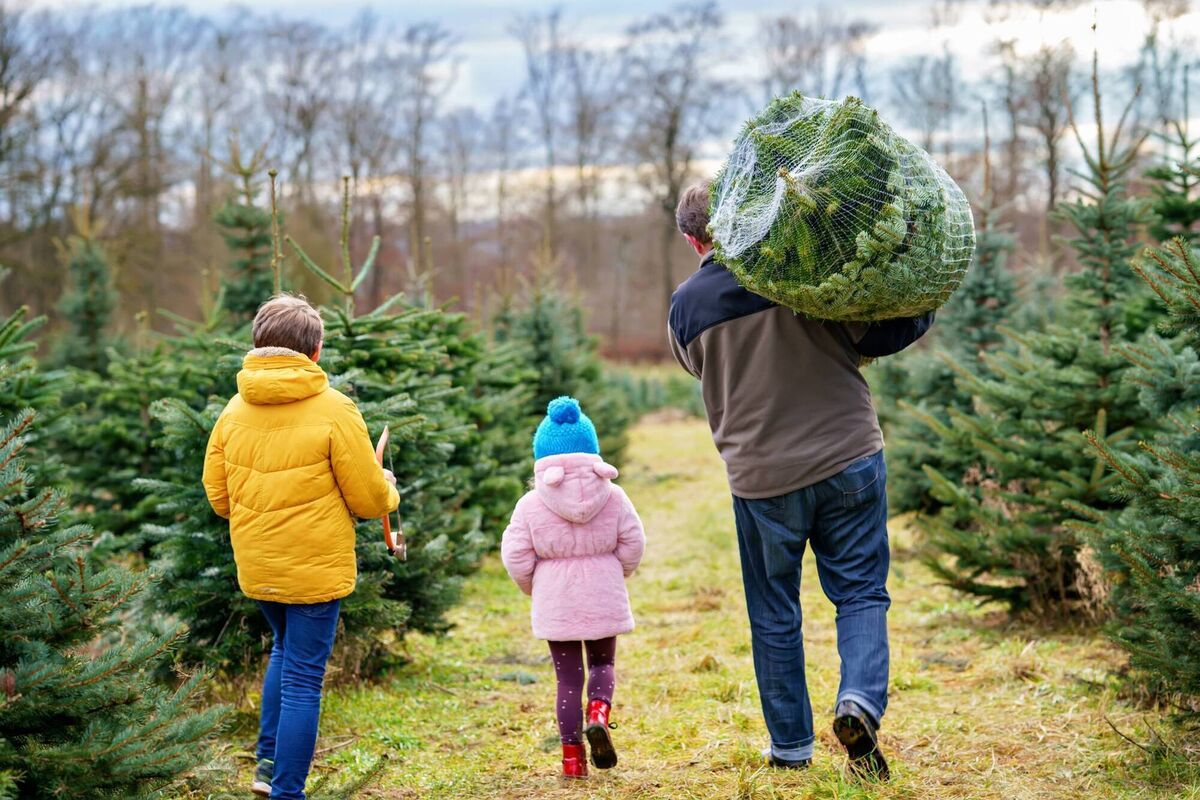
Here’s what you need to know to coax your real Christmas tree to thrive, green, fresh, stable, hydrated and beautiful until the New Year.
The first thing we need to do is to pick a fresh tree that was felled as recently as possible. Once cut, any tree will start to drop its needles. The Nordmann Fir and Noble Fir are famed for their needle retention, while budget trees like the Norway Spruce, though lovely, are quick to start dropping their needles once in a warm environment.
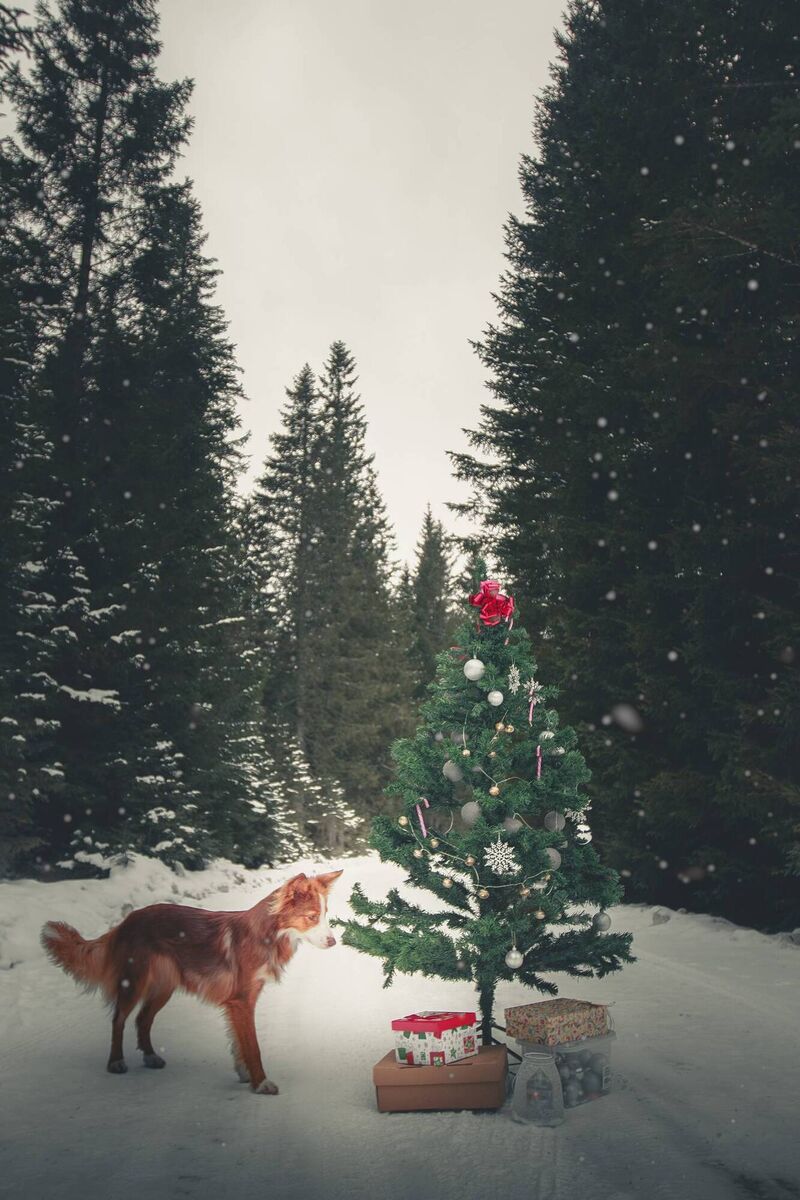
Slowing needle drop, we’re not just thinking about cleaning up, but the safety of our pets. Ingesting needles can cause not only stomach upset but intestinal damage.
It’s important to understand that it’s the water the tree is standing in that’s the most toxic danger to your dog and/or cat. This is quite a nasty soup, rich in bacteria, agricultural fertilisers, sickening sap and natural moulds brought in from the forest. We will be ensuring no animal or child gets near the water reservoir.
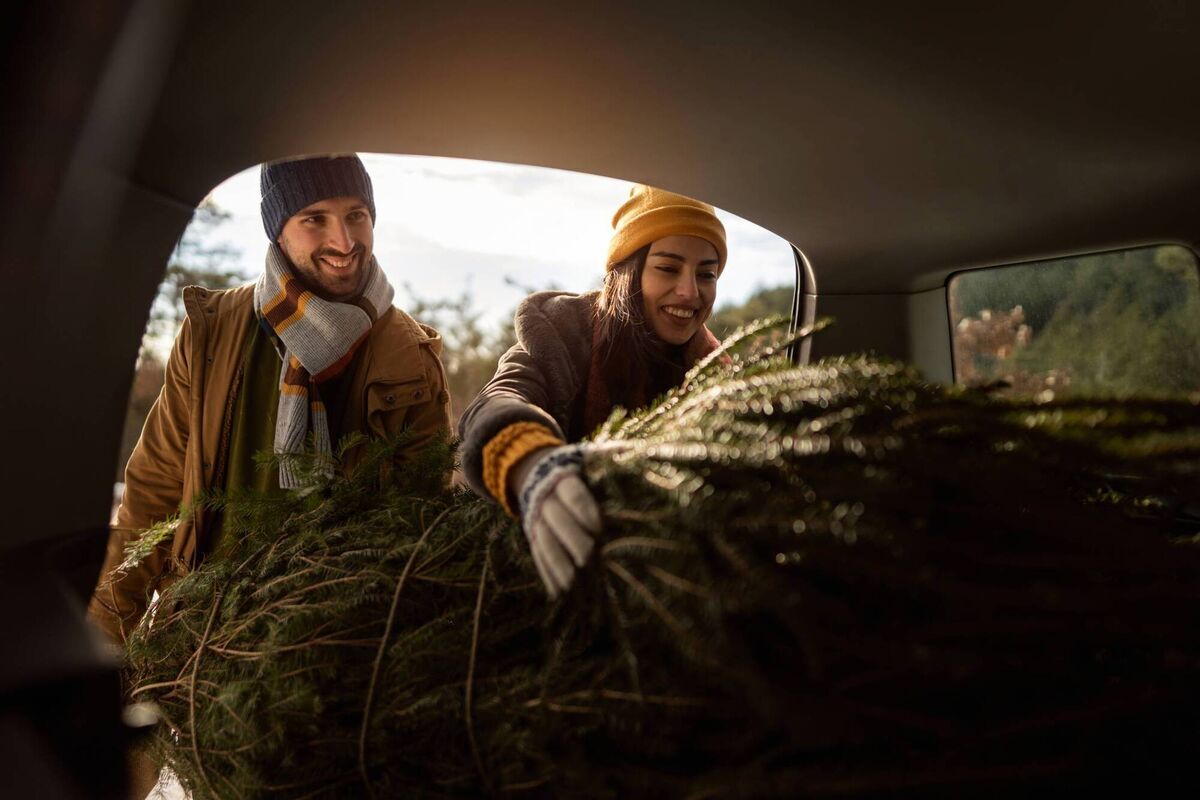
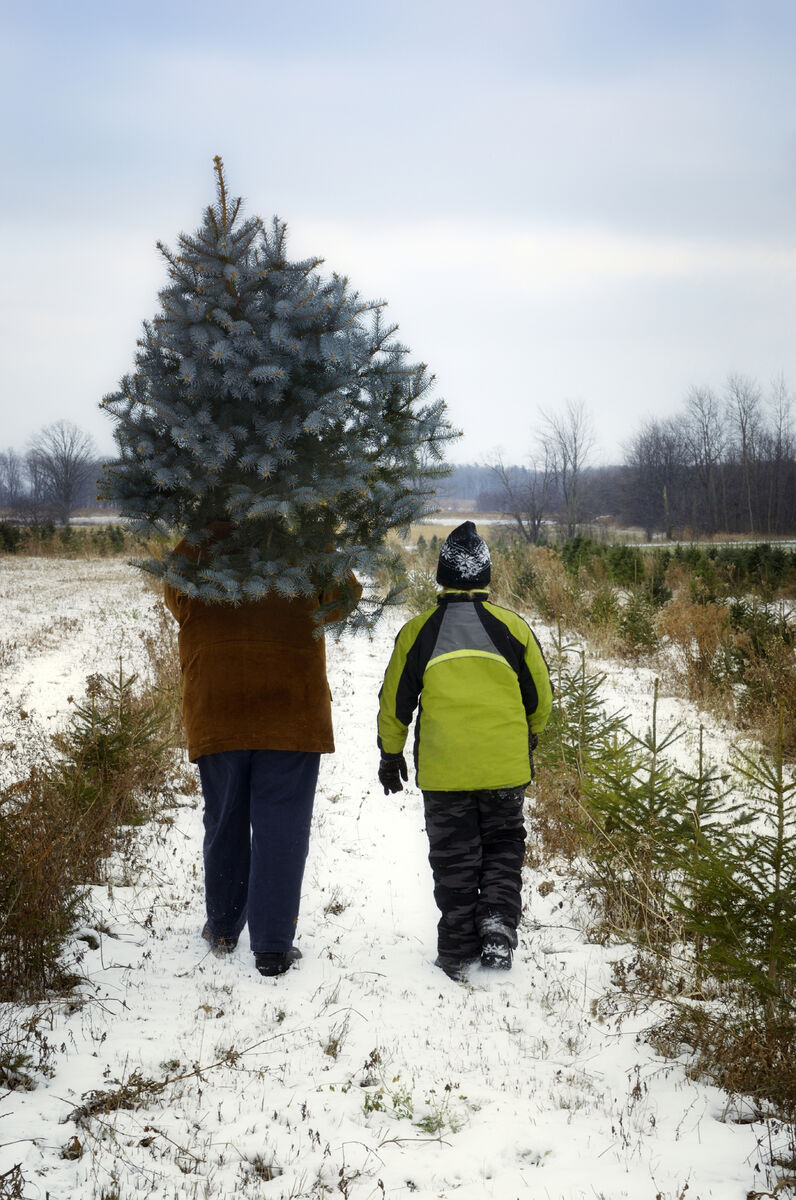
Some trees may have been taken down in mid to late November — which means they will dry before Christmas Day. If you choose your own tree still standing in a plantation, you’ll have the reassurance that it’s not been lurking around in a supermarket storage yard in the full sun, drying out.
Looking at the trees on display (cut), reach out and stroke the branches. If cut trees on display have been properly stored in a shaded, humid environment, the needles should feel slightly flexible and will be strongly scented.
You can give the tree a very light shake. If you lift and drop the tree (the bounce test), only lift it a few centimetres to avoid damaging bottom branches. A straight tree (not lopsided) with a profile that’s wider at the base will be easier to balance in a container, but we can do some light trimming to the branches.
Cover the floor where the tree will be placed. You can use a properly sewn tree skirt or be budget savvy and use Christmas-themed paper or a piece of satin fabric. This will help protect the floor in case any water splashes out.
A skirt that goes over the cradle prevents pets from attempting to drink the water in the base. Ensure the tree is nowhere near an open flame — they are actually very flammable, especially as the tree dries out.
Using a small handsaw, cut about 1.3cm-2.5cm off the bottom of the trunk to aid water absorption. Don't cut the base at an angle, in a V-shape or drill a hole in the base. These profiles make it more difficult to hold the tree safely in the stand. Don’t use a reciprocal saw with a fine blade that moves so fast that it will create friction.
If the cut gets hot, the sap in the tree can melt and seal the end of the trunk, making water absorption almost impossible. Drilling holes in the base of the trunk does not help water absorption. Don't whittle down the bark of the tree just so that it can fit in the stand — the xylem just beneath the bark is the layer that absorbs the most water. Get a bigger stand or vessel.
We want to put up the tree within eight hours of cutting the base. That is how long a fresh tree can go without water before absorption is jeopardised, and the hydration of the tree will suffer. Don’t mount it on a stand without water. Place it in a container of water and replenish the water on a regular basis. I use a small watering can and put my fingers into the water to ensure I don’t overflow onto the floor.
The tree should have 950ml of water for every 2.5cm of trunk diameter. It doesn’t have to be bottled water; tap water is fine. Over-watering is not the issue. You cannot really overwater a Christmas tree (though you could overfill the reservoir); it’s underwatering or letting the trunk hover over the water that will do the damage. Keeping the tree well-watered reduces its potential fire risk.
The stand itself must be wide enough to ensure the tree is stable. If it’s rated for height, don’t exceed that maximum rating — get a bigger, wider stand. We can use shims of timber, rocks or bricks inside a pot to both level the tree and to weight the pot or stand down.

If you have a stand, check the bolts. The ones supplied are sometimes rather short and can be replaced with longer hex-bolts. When setting it up for the first time, have someone hold it at the trunk while you work on the stand. Keep an eye that the tree is level, as it might shift as it dries out and is roughed around during decorating or jostled in the excitement of Christmas.
I have a hook set in a wall plug right behind my tree, and using a little garden twine, it just gives me that extra peace of mind when the cat (inevitably) scales the tree at least once in December.
My JRT is 18, and she used the lower branches to scratch her back very slowly (a dog thing known as trancing). That extra brace means the tree might tremble, but it will not fall. Setting a tree into a corner protects it from falling, at least in through 270.
Using these tips, your tree should last the season, and there are clear signs when it’s time to give it the heave-ho, thanking it for its service. When the leaves start to go brown, the tree loses its fragrance, and it starts dropping needles in a daily shower. The tree is dried out and swiftly biodegrading.
Contact your local recycling centre if you don’t want to compost the tree at home, as many of them accept trees for a small fee. If you have a potted tree, it can go outside into a sheltered position and be acclimatised to the outdoors for the spring and summer.
CONNECT WITH US TODAY



Be the first to know the latest news and updates